

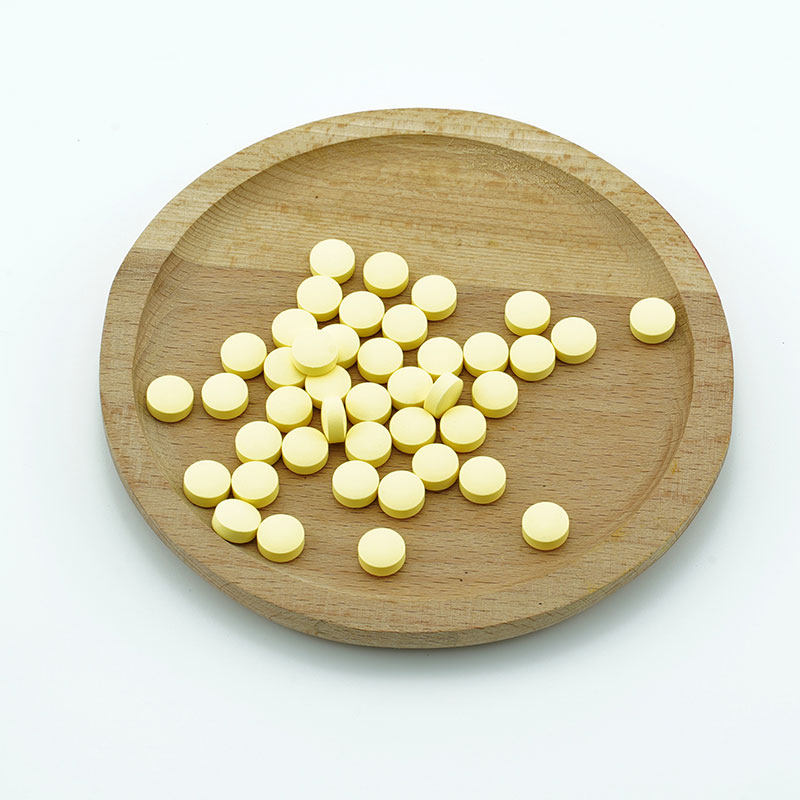

Fabricación de cápsulas es una de esas áreas en la industria de los suplementos que parece simple en la superficie pero que se vuelve sorprendentemente compleja una vez que te acercas a ella. La mayoría de las personas solo ven la cápsula terminada. Lo que sucede antes de ese punto (las decisiones de formulación, el comportamiento material, el control de estabilidad y la precisión de la producción) tiene un impacto mucho mayor en la calidad del producto de lo que la mayoría de las marcas creen.
Si está construyendo una marca de suplementos o refinando una línea de productos existente, comprender cómo funciona realmente la fabricación de cápsulas lo ayudará a evitar errores comunes de formulación y tomar mejores decisiones a largo plazo.
No se trata solo de “poner ingredientes en una concha”. Se trata de cómo se comportan esos ingredientes con el tiempo, cómo interactúan con el material de la cápsula y la manera en que se pueden entregar a escala.
tabla de contenido
Por qué las cápsulas siguen siendo uno de los formatos de suplemento más confiables

A pesar de la popularidad de las gomitas y los polvos, las cápsulas siguen manteniendo una posición sólida en la industria de suplementos. La razón no es la tradición, es el rendimiento.
Las cápsulas resuelven varios problemas con los que otras formas de dosificación aún luchan:
- Protegen los ingredientes sensibles del aire y la humedad
- Reducen los problemas de sabor y olor
- Permiten una dosificación relativamente precisa
- Soportan formulaciones en polvo y líquidos
- Son fáciles de integrar en las rutinas diarias
Desde el punto de vista de la fabricación, las cápsulas también ofrecen un sistema de producción estable y bien controlado cuando se manejan correctamente.
organismos reguladores como el Orientación de suplementos dietéticos de la Administración de Alimentos y Medicamentos de EE. UU. Enfatice constantemente la importancia de la precisión de la dosis, la estabilidad de los ingredientes y los controles de fabricación, áreas donde las cápsulas funcionan bien cuando se producen correctamente.
Cápsulas duras vs Cápsulas blandas: la diferencia práctica
La mayoría de la fabricación de cápsulas se divide en dos categorías, y la diferencia es más que una simple estructura.
Cápsulas duras
Las cápsulas duras se llenan típicamente con mezclas de polvo seco. Son ampliamente utilizados porque ofrecen flexibilidad en la formulación y son relativamente fáciles de personalizar.
Se eligen comúnmente para:
- Mezclas de vitaminas y minerales
- Extractos de hierbas
- Fórmulas de aminoácido
- Sistemas probióticos
Una ventaja de las cápsulas duras es que permiten a los fabricantes ajustar la densidad y composición del polvo sin cambiar el sistema de suministro.
Cápsulas blanda
Las cápsulas blandas están diseñadas para ingredientes líquidos o a base de aceite. La carcasa es flexible, sellada y específicamente diseñada para contener compuestos sensibles.
A menudo se utilizan para:
- Aceites de pescado y lípidos marinos
- Vitaminas liposolubles
- Nutrientes basados en lípidos
Las cápsulas blandas requieren un equipo más especializado y un control de proceso más estricto, especialmente durante las etapas de sellado y secado.
Puede explorar más opciones de fabricación de cápsulas aquí:
Soluciones de fabricación de cápsulas
Lo que realmente sucede durante la fabricación de cápsulas
Muchas marcas subestiman lo estructurada que es realmente la producción de cápsulas. Un proceso de fabricación adecuado no es un solo paso, es un sistema controlado.
Un flujo de trabajo típico se ve así:
- Verificación y prueba de materias primas
- Mezcla de ingredientes y estandarización
- Llenado o encapsulación de cápsulas
- Controles de control de peso y dosis
- Estabilización de humedad o secado
- Inspección de calidad y clasificación de rechazo
- Embalaje bajo condiciones controladas
Cada etapa tiene un impacto directo en el producto final. Si incluso un paso es inconsistente, todo el lote puede verse afectado.
En entornos de fabricación regulados, esta es la razón por la cual la documentación del proceso y la trazabilidad por lotes son esenciales en lugar de opcionales.
Por qué el comportamiento de los ingredientes es más importante de lo que piensas

Uno de los aspectos más pasados por alto de la fabricación de cápsulas es cómo se comportan los ingredientes dentro de la cápsula con el tiempo.
Por ejemplo:
- Algunos polvos absorben la humedad y se agrupan
- Ciertos extractos se degradan cuando se exponen al oxígeno
- Los aceites pueden volverse inestables sin la protección adecuada
- Las fórmulas mezcladas pueden separarse si no se procesan correctamente
Por eso la ciencia de la formulación importa tanto como la capacidad de producción. Una cápsula es tan buena como la estabilidad de lo que hay dentro.
directrices de organizaciones como la Organización Mundial de la Salud Destacar la importancia de las pruebas de estabilidad y los entornos de fabricación controlados para mantener la seguridad y la consistencia de los productos.
Los factores de calidad reales detrás de la fabricación de cápsulas
Cuando las marcas evalúan a los socios de fabricación de cápsulas, a menudo se enfocan en factores de nivel superficial. En la práctica, los indicadores más importantes son más técnicos.
1. Precisión de encapsulación
La consistencia en el peso de llenado es fundamental. Las pequeñas variaciones pueden provocar inconsistencias de dosis en los lotes.
2. Control de humedad
Las cápsulas son sensibles a la humedad. Un control deficiente puede conducir a la deformación oa la reducción de la estabilidad de la plataforma.
3. Compatibilidad de shell
No todas las cápsulas de cápsulas funcionan con todas las formulaciones. La interacción de los ingredientes con el material de la carcasa debe probarse cuidadosamente.
4. Pruebas de estabilidad
Un proceso de fabricación bien administrado incluye una evaluación de estabilidad acelerada y a largo plazo para comprender cómo se comportan los productos con el tiempo.
Fabricación de cápsulas en comparación con otras formas de dosificación
Cada formato de suplemento tiene fortalezas, pero las cápsulas siguen ofreciendo una combinación equilibrada de rendimiento y flexibilidad.
| Forma de dosificación | estabilidad | Enmascaramiento del sabor | Flexibilidad de formula | facilidad de uso |
|---|---|---|---|---|
| cápsulas | alto | marcado | alto | alto |
| tabletas | muy alto | moderado | moderado | alto |
| polvos | moderado | deficiente | muy alto | médium |
| gomitas | moderado | alto | moderado | alto |
Las cápsulas se sientan en un punto medio práctico, lo suficientemente flexible para las necesidades de formulación, manteniendo la estabilidad y la comodidad del consumidor.
Tendencia de la industria: las cápsulas se están volviendo más especializadas
La fabricación de cápsulas no se queda quieta. Está evolucionando en respuesta a las expectativas cambiantes de los consumidores.
Algunas tendencias notables incluyen:
Formulaciones más específicas
Las cápsulas se utilizan cada vez más para objetivos de salud específicos, como el sueño, la energía, la inmunidad y el apoyo cognitivo.
Crecimiento de cápsulas de origen vegetal
Las conchas cápsulas vegetarianas son cada vez más comunes debido a las preferencias dietéticas y los requisitos de transparencia de ingredientes.
Estándares de formulación más limpio
Existe una demanda creciente de menos aditivos y declaraciones de ingredientes más simples.
Sistemas de entrega mejorados
Los fabricantes están trabajando en mejores tecnologías de absorción y sistemas de liberación controlada.
Elegir el socio de fabricación de cápsulas adecuado

Si está desarrollando una marca de suplementos, elegir el socio de fabricación adecuado no es solo una decisión de producción, sino que es una decisión de estrategia de producto.
Aquí hay algunas cosas que vale la pena prestar atención:
Capacidad técnica
Un fabricante fuerte debe poder manejar sistemas de cápsulas duras y blandas con un soporte de formulación estable.
Sistemas de calidad
Busque sistemas de control de calidad estructurados, incluyendo pruebas por lotes y trazabilidad.
Soporte de I+D
El apoyo a la formulación suele ser la diferencia entre un producto básico y uno diferenciado.
Escalabilidad de producción
Su socio de fabricación debería poder apoyar tanto el desarrollo en etapa inicial como la expansión a largo plazo.
También puede explorar soluciones de fabricación relacionadas aquí:
Perspectivas de fabricación de gel suave
Soluciones de fabricación de cápsulas
Servicios de fabricación de suplementos
Pensamientos finales
La fabricación de cápsulas a menudo se subestima, pero juega un papel central en el desempeño de un suplemento en el mundo real. Estabilidad, precisión y compatibilidad de formulación se unen en el producto final.
Para las marcas, la clave no es solo elegir un tipo de cápsula, sino comprender cómo las decisiones de formulación, los controles de producción y los sistemas de calidad funcionan en conjunto para brindar resultados consistentes.
Cuando esos elementos se alinean, las cápsulas siguen siendo uno de los sistemas de entrega más fiables y escalables en la industria de los suplementos.
preguntasrán el
¿Por qué las cápsulas todavía se usan ampliamente en los suplementos?
Porque ofrecen un equilibrio de estabilidad, facilidad de uso y flexibilidad de formulación.
¿Cuál es la diferencia entre las cápsulas duras y blandas?
Las cápsulas duras contienen polvos, mientras que las cápsulas blandas están diseñadas para líquidos o aceites.
¿Las cápsulas son adecuadas para todos los ingredientes?
no siempre. Algunos ingredientes requieren ajustes especiales de formulación para la estabilidad.
¿Qué afecta más la calidad de la cápsula?
La precisión de encapsulación, el control de la humedad y la estabilidad de los ingredientes son factores clave.
¿Son comunes las cápsulas de origen vegetal ahora?
Sí, las cáscaras vegetarianas de cápsulas se utilizan cada vez más en las formulaciones de suplementos modernas.
¿Por qué es importante las pruebas de estabilidad en Fabricación de cápsulas?
Garantiza que el producto mantenga la calidad, la seguridad y la eficacia durante su vida útil.