


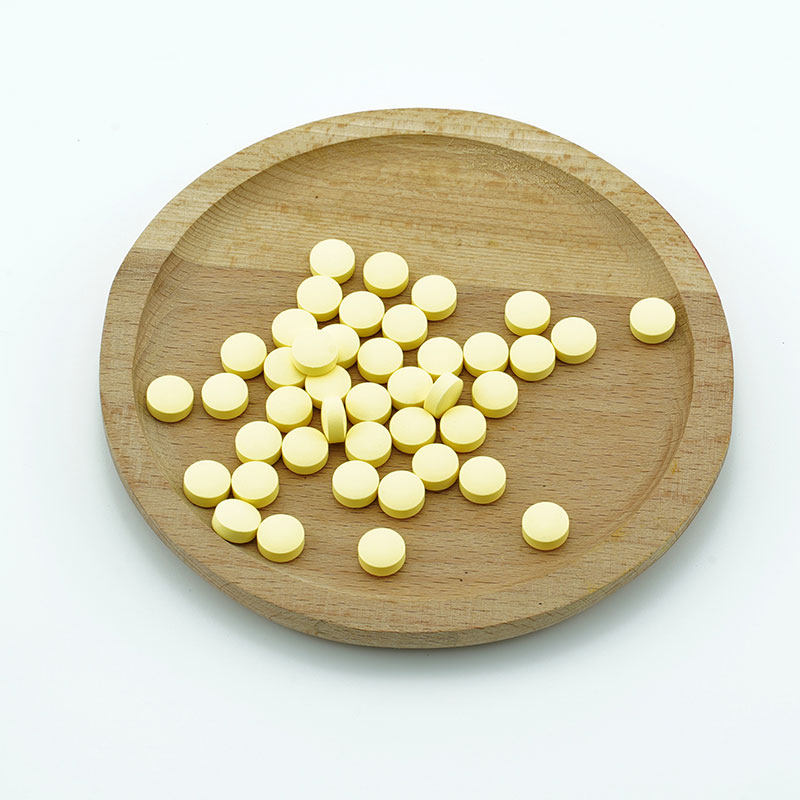
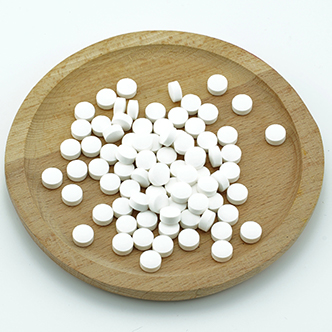
tabla de contenido
comienzo

Las tabletas de masticar están diseñadas para descomponerse en la boca antes de tragar. Esto crea un desafío de formulación muy diferente a los de tabletas, cápsulas, polvos o formatos efervescentes convencionales.
Una tableta convencional puede depender principalmente de la resistencia mecánica, la desintegración y el rendimiento del recubrimiento. Las tabletas de masticar también deben ofrecer una experiencia aceptable desde el primer bocado hasta el regusto final. La dureza, el tamaño de partícula, la dulzura, la acidez, el aroma, la calabaza, la arenilla y la estabilidad de la humedad se convierten en factores de desarrollo centrales.
Una fórmula puede funcionar bien durante la mezcla de laboratorio, pero aún así crear problemas durante la compresión o el almacenamiento. Puede ser demasiado difícil de masticar, demasiado suave para manejar, de color desigual, lento para descomponerse o desagradable después de masticar repetidamente. El paquete final también puede cambiar la textura al permitir que la tableta gane o pierda humedad.
Keju Salud Capacidades de fabricación de tabletas Incluye el desarrollo de fórmulas, la evaluación de gránulos, la compresión, las formas de tableta personalizadas, el grabado de superficies y múltiples formatos de empaque para masticables y otras estructuras de tabletas.
Esta guía explica ocho principios esenciales detrás de las tabletas de masticación consistentes:
- Selección de ingredientes que se ajustan a un formato masticable
- Diseñando el sabor en torno a la fórmula completa
- Control de textura y sensación en la boca
- Equilibrar los ingredientes funcionales y de procesamiento
- Gestión del tamaño de partícula y granulación
- Optimización de la compresión y la geometría de la tableta
- Control de la humedad durante toda la producción
- Combinar la tableta terminada con un embalaje adecuado
¿Qué son las tabletas masticables?
Las tabletas de masticación son unidades sólidas comprimidas destinadas a masticarse antes de tragarse. Se describen comúnmente como tabletas masticables, aunque también se utiliza “tableta masticable” en las búsquedas de productos y en las discusiones de fabricación.
Al igual que otras formas de la Forma de dosificación de tableta comprimida, se producen presionando una mezcla controlada de ingredientes en una forma definida. La diferencia es que su composición y propiedades mecánicas se diseñan alrededor de masticar en lugar de tragar intactos el comprimido.
Una tableta de masticar puede contener:
- Ingredientes nutricionales seleccionados
- Polvos o extractos botánicos
- minerales
- Materiales de sabor
- Ingredientes para endulzar
- Rellenos o transportistas
- carpetas
- desintegradores
- lubricantes
- Ingredientes de apoyo al flujo
- colores
- Ingredientes de ajuste de acidez
La fórmula debe permanecer estable durante la fabricación y el almacenamiento mientras se produce una textura y un perfil sensoriales aceptables durante el uso.
Tabletas masticables y tabletas masticables
Los dos términos generalmente describen el mismo concepto de producto. “Tablillas masticables” es la frase técnica más establecida, mientras que “masticar tabletas” puede reflejar el lenguaje de búsqueda natural.
Para el contenido de SEO, ambas expresiones se pueden usar de forma natural. La palabra clave principal puede seguir siendo tabletas masticables, mientras que la formulación de tabletas masticables, la textura de la tableta, el enmascaramiento del sabor y la compresión de tabletas brindan una cobertura semántica relevante.
Cómo se utilizan las tabletas de masticación
Una tableta de masticación normalmente se rompe en partículas más pequeñas al masticar antes de que se trague el material restante.
Las instrucciones exactas dependen de la especificación y etiqueta del producto. Por lo tanto, la tableta debe desarrollarse de acuerdo con su método de uso previsto en lugar de que funcione como una tableta tragada convencional.
Por qué las tabletas de masticar requieren una estrategia de formulación diferente
Las tabletas de masticación permanecen en contacto directo con la boca durante más tiempo que las tabletas diseñadas para tragarlas enteras. Esto significa que las características ocultas dentro de una cápsula o tableta recubierta se vuelven inmediatamente notables.
El usuario puede detectar:
- crudeza
- acidez
- notas metálicas
- Aromas botánicos
- valentía
- tiza
- aridez
- pegajosidad
- Dureza excesiva
- Un regusto persistente
Estas características no siempre se pueden corregir agregando un sabor más fuerte. La fórmula completa debe diseñarse en torno a la interacción entre los ingredientes, el tamaño de partícula, la estructura de la tableta, la saliva y el tiempo de masticación.
Un enfoque de desarrollo útil evalúa tres etapas sensoriales.
primer bocado
El primer bocado revela la dureza de la tableta, la fragilidad, el aroma inicial y la textura de la superficie.
Una tableta que es demasiado dura puede crear resistencia inmediata. Una tableta que es demasiado blanda puede desmoronarse en el paquete o sentirse comprimida y pastosa.
fracaso
La etapa media revela el tamaño de partícula, la calca, la estructura del gránulo, la dulzura, la acidez y la distribución del sabor.
Esta etapa a menudo determina si el producto se siente suave o arenoso.
acabar con
La etapa final incluye el sabor restante, la sequedad, la sensación de recubrimiento y el regusto.
Una fórmula que parece aceptable durante el primer bocado aún puede dejar un fuerte mineral, botánico o edulcorante.
Las tres etapas deben evaluarse durante el desarrollo.
Principio 1: Ingredientes seleccionados adecuados para tabletas de masticación
No todos los ingredientes son naturalmente compatibles con un formato masticable.
El equipo de desarrollo debe revisar cada material en cuanto a sabor, aroma, tamaño de partícula, densidad aparente, sensibilidad a la humedad, flujo, compactabilidad e interacción con otros ingredientes.
Carga de ingredientes
Las tabletas de masticar tienen un volumen físico limitado. La alta carga de ingredientes puede crear una tableta grande o densa y dejar menos espacio para el sabor, los materiales de soporte de la textura y los ingredientes de procesamiento.
Una fórmula no debe evaluarse solo por la cantidad de ingredientes. También debe ser capaz de formar una tableta con aceptable:
- dimensiones
- endurecimiento
- friabilidad
- textura
- sazonar
- Consistencia de peso
- Comportamiento de almacenamiento
El aumento del nivel de ingredientes puede requerir una tableta más grande, una configuración de servicio diferente o un sistema de sabor reformulado.
Ingredientes naturalmente amargos
Algunos extractos botánicos, materiales relacionados con aminoácidos, minerales e ingredientes concentrados tienen un perfil naturalmente amargo.
La amargura puede aparecer inmediatamente o desarrollarse durante la masticación. Un sabor que cubre el primer sabor puede no controlar el posterior sabor.
La estrategia de formulación puede requerir una combinación de procesamiento de partículas, capas de sabor, dulzura, acidez y portadores cuidadosamente seleccionados.
Aromas fuertes
Los materiales derivados de la naturaleza, los extractos de hierbas, los ingredientes fermentados y ciertas vitaminas pueden crear aromas distintivos.
El aroma debe evaluarse en la tableta comprimida completa. Una mezcla de polvo y una tableta terminada pueden no liberar el aroma de la misma manera porque la compresión cambia el área de la superficie y el contacto del ingrediente.
Ingredientes higroscópicos
Los materiales higroscópicos absorben la humedad del entorno circundante.
En las tabletas de masticación, la absorción de humedad puede afectar:
- Flujo de polvo
- granulación
- compresión
- Dureza de la tableta
- apariencia
- pegajosidad
- sazonar
- Estabilidad del paquete
La especificación de material entrante y el entorno de producción deben tener en cuenta este comportamiento.
Ingredientes con partículas grandes
Las partículas grandes o irregulares pueden crear una experiencia de masticación arenosa. También pueden causar malas superficies de tabletas, variación de peso, segregación o áreas débiles dentro de la estructura comprimida.
La reducción del tamaño de partículas puede mejorar la sensación en la boca, pero las partículas extremadamente finas pueden crear polvo, flujo deficiente, pegado y exposición de sabor más fuerte.
El objetivo es una distribución controlada en lugar de simplemente el tamaño de partícula más pequeño posible.
Principio 2: Construye sabor alrededor de la fórmula completa
El desarrollo del sabor debe comenzar después de que el sistema de ingredientes centrales haya alcanzado una composición razonablemente estable.
Crear un sabor para una base simplificada y luego agregar minerales o extractos fuertes puede conducir a un resultado final muy diferente.
entender el sabor base
Antes de seleccionar una dirección de sabor, el equipo de formulación debe identificar el perfil sensorial natural de la fórmula.
Puede incluir:
- apuntes
- notas agridulces
- Características minerales
- Aromas a base de hierbas
- notas marinas
- Sabores terrosos
- Retrogusto metálico
- aridez
- austeridad
- dulzura persistente
Cada característica requiere una respuesta diferente. El aumento de la dulzura por sí solo no resuelve todos los problemas sensoriales.
Capas de sabor
Una tableta de masticación equilibrada puede utilizar varios elementos sensoriales complementarios.
Estos pueden incluir:
- Un aroma de primera
- Un sabor de fondo de apoyo
- dulzura controlada
- acidez equilibrada
- Sensaciones de enfriamiento o calentamiento cuando corresponda
- Ingredientes que soportan la textura
- Gestión de regustos
Cada elemento debe tener un papel claro. Sobrecargar la fórmula con varios sabores fuertes puede crear un perfil sensorial poco claro o artificial.
Equilibrio de dul
La dulzura afecta más que el primer sabor. También influye en el regusto, la sensación en la boca y la percepción de acidez o amargura.
La fórmula debe ser evaluada para:
- dulzura inicial
- dulzura durante el desglose
- Interacción con la acidez
- Interacción con minerales
- Acabado persistente
- Cambios durante el almacenamiento
Una primera impresión muy dulce puede ir seguida de un regusto más fuerte una vez que el aroma principal se desvanece.
acidez
Los ingredientes ácidos pueden iluminar los sabores y reducir la percepción de ciertas notas indeseables.
Sin embargo, la acidez excesiva puede crear nitidez, afectar la compatibilidad de los ingredientes, cambiar el comportamiento de la humedad o aumentar los desafíos de las herramientas durante la compresión.
El sistema ácido debe seleccionarse de acuerdo con la fórmula completa en lugar del sabor solo.
Estabilidad del sabor
El sabor puede cambiar cuando se expone al calor, la compresión, el oxígeno, la luz o la humedad.
La evaluación de la estabilidad debe monitorear:
- Intensidad de aroma
- Equilibrio de
- notas inesperadas
- resabio
- Interacción con el contenedor
- Diferencias después de la apertura de paquetes repetidas
La evaluación final debe utilizar tabletas almacenadas en el paquete previsto.
Principio 3: Control de textura y sensación en la boca
La textura es una de las características definitorias de las tabletas de masticación.
Una tableta técnicamente estable aún puede proporcionar una experiencia insatisfactoria si es excesivamente dura, arenosa, calcárea, pegajosa o seca.
endurecimiento
Las tabletas de masticación necesitan suficiente fuerza para sobrevivir a la compresión, el manejo, el empaque y el transporte.
Sin embargo, la dureza excesiva puede hacer que la tableta sea difícil de descomponer. La alta fuerza de compresión también puede reducir la porosidad y cambiar la forma en que la tableta responde a la saliva.
La dureza objetivo debe desarrollarse junto con la evaluación sensorial.
fragilidad
Una tableta que se rompe limpiamente durante la masticación puede proporcionar una textura más predecible que la que se dobla, mancha o forma una masa densa.
Demasiada fragilidad puede crear unidades rotas y polvo suelto dentro del paquete.
El objetivo es la rotura controlada durante el uso sin daños excesivos durante el manejo normal.
tiza
La calcidez a menudo resulta de altos niveles de ciertos minerales, rellenos o partículas finas insolubles.
Puede percibirse como sequedad, recubrimiento en polvo o un residuo denso en la boca.
Los posibles ajustes pueden incluir:
- Modificación del tamaño de partícula
- Cambio de equilibrio del portador
- Ajuste del nivel de la carpeta
- Presentamos materiales adecuados de soporte de textura
- Revisión de la densidad de tabletas
- Reequilibrar el sabor y la acidez
La calca debe evaluarse después de varios segundos de masticación, no solo en el primer contacto.
valentía
La arenilla generalmente se asocia con partículas que permanecen notablemente grandes o duras durante la masticación.
Puede resultar de:
- materias primas gruesas
- Granulación despareja
- Ingredientes cristalinos
- Aglomeración de partículas
- Fresado incompleto
- Segregación durante el procesamiento
La reducción del tamaño de las partículas puede ayudar, pero el molido excesivo puede crear polvo y un flujo deficiente. Un rango de tamaño de partículas controlado es más útil que un requisito de “polvo fino” no definido.
pegajosidad
Una tableta pegajosa puede adherirse a los dientes, herramientas, materiales de embalaje u otras tabletas.
Las causas potenciales incluyen:
- Ingredientes higroscópicos
- Carpetas blandas
- Alta humedad
- Ciertos sistemas de edulcorante
- Lubricación inadecuada
- Condiciones de almacenamiento inadecuadas
Los ajustes de fórmula y el control de humedad deben considerarse juntos.
aridez
Una sensación en la boca seca puede desarrollarse cuando la tableta absorbe la saliva lentamente o contiene un alto nivel de materiales en polvo.
La evaluación de la textura debe considerar cómo cambia la tableta durante la masticación, no solo su apariencia seca antes de usarla.
Principio 4: Equilibrar los ingredientes funcionales y de procesamiento
Una tableta de mascar contiene más que sus ingredientes principales. Los materiales de soporte ayudan a la mezcla fluir, comprimir, mantener su forma, descomponerse y producir la textura prevista.
Cada ingrediente de apoyo debe cumplir un claro propósito técnico.
Rellenos y Transportistas
Los rellenos ayudan a crear el volumen de tableta requerido y pueden influir en el gusto, la textura, la compactabilidad y la sensación en la boca.
El portador seleccionado debe ser compatible con:
- Carga de ingredientes
- Dimensiones de la tableta
- sistema de sabores
- Proceso de compresión
- Requisitos de humedad
- Textura prevista
Un portador que funciona bien en una tableta tragado puede crear una sensación en la boca inadecuada en una tableta de masticación.
carpetas
Los aglutinantes ayudan a que las partículas permanezcan juntas después de la compresión.
La unión insuficiente puede causar astillado, agrietamiento o friabilidad excesiva. Demasiada unión puede producir una tableta dura y densa que se descompone mal durante la masticación.
La selección de la carpeta debe evaluarse a través de pruebas mecánicas y sensoriales.
desintegradores
Aunque las tabletas de masticación se descomponen mecánicamente en la boca, los desintegradores aún pueden apoyar la ruptura y dispersión de la estructura comprimida.
El nivel apropiado depende de la dureza de la tableta, la solubilidad de los ingredientes, el comportamiento de masticación y la textura prevista.
Un nivel excesivo puede debilitar la tableta o cambiar su sensación en la boca.
lubricantes
Los lubricantes reducen la fricción entre la mezcla de tabletas, las herramientas y los componentes de prensa.
Muy poca lubricación puede contribuir a la adherencia y la difícil expulsión de las tabletas. La lubricación excesiva puede reducir la resistencia de la tableta o crear una superficie y una sensación en la boca indeseables.
También se debe controlar el tiempo de lubricación. La mezcla prolongada puede recubrir partículas más completamente y cambiar el comportamiento de compresión.
Ingredientes de apoyo al flujo
El flujo de polvo constante ayuda a la prensa de tabletas a producir pesas de tabletas uniformes.
Pueden ser necesarios materiales de soporte de flujo cuando la mezcla contiene polvos finos, extractos pegajosos o partículas irregulares.
Deben usarse dentro de una estrategia de formulación completa en lugar de agregar después de que una mezcla que fluye mal llega a la prensa.
Principio 5: Manejar el tamaño de las partículas y la granulación
El tamaño de partícula afecta el flujo, la uniformidad de la mezcla, la compresión, la apariencia de la tableta, la liberación de sabor y la textura de masticación.
Una formulación fuerte comienza con una estrategia definida de tamaño de partícula.
Por qué es importante el tamaño uniforme de partícula
Cuando algunos ingredientes son muy finos y otros son mucho más grandes, la mezcla puede separarse durante la transferencia o la compresión.
La segregación puede causar variación en:
- Peso de la tableta
- ruborizarse
- sazonar
- Distribución de ingredientes
- endurecimiento
- apariencia
Los materiales no necesitan ser idénticos en tamaño, pero su comportamiento debe seguir siendo compatible durante todo el proceso.
Compresión directa
La compresión directa utiliza una mezcla preparada sin una etapa de granulación separada.
Puede reducir la complejidad del proceso cuando los materiales ya proporcionan un flujo, compactabilidad y uniformidad adecuados.
Se debe evaluar una fórmula de compresión directa para:
- Flujo de mezcla
- segregación
- polvo
- Adhesión de herramientas
- Dureza de la tableta
- Variación de peso
- textura
Una mezcla que fluye en un pequeño contenedor de laboratorio puede comportarse de manera diferente en una tolva de producción.
granulación seca
La granulación en seco compacta la mezcla o los componentes seleccionados antes de molerlos en gránulos.
Este método puede mejorar el flujo y reducir la segregación sin introducir un aglutinante líquido.
Los gránulos resultantes no deben ser excesivamente densos porque los gránulos duros pueden crear una textura grosera o arenosa.
Granulación húmeda
La granulación húmeda utiliza un sistema de líquido controlado para formar gránulos.
Puede mejorar la compactabilidad y la consistencia de las partículas, pero el proceso debe considerar la estabilidad de los ingredientes, el secado, la retención del sabor y los límites de humedad.
El líquido de granulación seleccionado debe ser compatible con la fórmula completa.
Fuerza del gránulo
Los gránulos deben ser lo suficientemente fuertes como para sobrevivir al manejo, pero no tan densos como para que permanezcan como partículas duras durante la masticación.
La fuerza del gránulo puede verse afectada por:
- Tipo de carpeta
- Cantidad de carpeta
- Adición de líquido
- Tiempo de mezcla
- Condiciones de secado
- pantalla de moler
- Presión de compactación
Es necesaria la evaluación sensorial de la tableta final porque un gránulo técnicamente aceptable aún puede sentirse grueso.
Principio 6: Optimizar la compresión y el diseño de la tableta
La compresión transforma la mezcla preparada en una tableta definida. Los ajustes de prensa y la geometría de la tableta influyen en la fuerza mecánica, la apariencia, la textura y el ajuste del paquete.
fuerza de compresión
La mayor fuerza de compresión generalmente crea una tableta más dura y densa.
Si la fuerza es demasiado alta, las tabletas de masticar pueden ser difíciles de romper. Si es demasiado bajo, las tabletas pueden astillarse, agrietarse, crear polvo o fallar durante el envasado.
El rango de compresión aprobado debe basarse en:
- endurecimiento
- friabilidad
- espesor
- textura de masticación
- calidad superficial
- Consistencia de peso
- Resultados de estabilidad
Forma de tableta
Las formas comunes incluyen:
- redondo
- óvalo
- en forma de cápsula
- rectangular
- Formas geométricas personalizadas
- Formas específicas de la marca
La forma afecta más que la apariencia. Las esquinas afiladas pueden astillarse más fácilmente, mientras que las tabletas muy gruesas pueden ser difíciles de masticar de manera uniforme.
El diseño seleccionado debe apoyar la compresión, el manejo, el empaque y la experiencia sensorial prevista.
Tamaño de la tableta
El tamaño de la tableta depende del volumen de la fórmula, la densidad del material, la configuración de servicio y la experiencia de uso previsto.
El aumento del diámetro puede hacer que una tableta sea más delgada, mientras que reducir el diámetro puede crear una unidad más gruesa.
El equipo de diseño debe evaluar las dimensiones a través de muestras físicas en lugar de dibujos solo.
grabado de la superficie
Los logotipos, las letras y los símbolos pueden respaldar la identificación del producto.
El grabado profundo o muy detallado puede crear:
- Acumulación de polvo
- Impresiones incompletas
- Áreas superficiales débiles
- Liberación de tableta difícil
- color desigual
El diseño de grabado debe coincidir con las propiedades de las herramientas y la mezcla.
espesor
El grosor debe permanecer constante durante toda la producción.
Los cambios pueden indicar variación en:
- Cantidad de relleno
- fuerza de compresión
- Flujo de polvo
- Condición de herramienta
- Densidad de gránu
El grosor también afecta el recuento de botellas, el diseño de la cavidad de la ampolla y el comportamiento de masticación.
Principio 7: Control de la humedad y la estabilidad de almacenamiento
La humedad puede cambiar las propiedades físicas y sensoriales de las tabletas de masticación.
Algunas fórmulas se vuelven suaves y pegajosas después de absorber la humedad. Otros pierden humedad y se vuelven más duros o más frágiles.
Humedad durante la producción
Puede ser necesario controlar la humedad durante:
- Almacenamiento de materiales en bruto
- peso
- cernido
- granulación
- el desecado
- mezcla
- compresión
- Tenencia temporal
- empaquetado
El proceso de producción debe identificar cuánto tiempo pueden permanecer expuestos los materiales sensibles a la humedad.
Humedad de la tableta
La tableta terminada debe tener un rango de humedad aprobado adecuado a la fórmula.
Un valor demasiado alto puede contribuir a:
- reblandecimiento
- pega
- Cambio de sabor
- cambio de color
- Interacción de ingredientes
- Estabilidad de paquete reducida
Un valor demasiado bajo puede contribuir a:
- fragilidad
- de papas fritas
- Dureza aumentada
- Grieta de superficie
El rango adecuado debe desarrollarse para la fórmula individual.
Migración de humedad
La humedad puede moverse entre diferentes ingredientes dentro de una tableta.
Por ejemplo, un material puede liberar humedad mientras que otro la absorbe. Por lo tanto, la tableta puede cambiar incluso cuando la humedad externa permanece controlada.
Los estudios de compatibilidad deben utilizar la mezcla completa.
calentura
La temperatura puede afectar el sabor, el aroma, la dureza, la estabilidad de los ingredientes y el comportamiento del empaque.
Una tableta masticable debe ser evaluada en su paquete previsto en condiciones definidas. Las muestras de laboratorio sin empaquetar no proporcionan una representación completa del rendimiento de almacenamiento.
Principio 8: Haga coincidir el embalaje con la tableta terminada
El embalaje protege las tabletas de masticación de la humedad, el oxígeno, la luz, el daño físico y el manejo descontrolado.
El paquete debe seleccionarse durante el desarrollo en lugar de después de finalizar la fórmula de la tableta.
botellas
Los sistemas de botellas pueden incluir:
- recipientes de plástico o vidrio
- Cierres de tornillo
- forros
- Sellos interiores
- Componentes que evidenció la manipulación
- desecantes
- etiquetas
- Cartones secundarios
Las dimensiones de la botella deben coincidir con el tamaño de la tableta y el número de unidades. El movimiento excesivo de la tableta puede aumentar la formación de astillas y polvo.
envase
El envase de blister separa las tabletas en cavidades individuales.
Puede reducir el contacto directo entre las tabletas y limitar la apertura repetida del suministro completo del producto.
Las dimensiones de la cavidad deben permitir que la tableta se ajuste sin una presión o movimiento excesivo.
Bolsas individuales
Las bolsas de papel de aluminio individuales pueden aislar cada tableta y soportar el control de la humedad.
La calidad del sello es esencial. Los bordes afilados de las tabletas, el polvo en el área del sellado o la velocidad de empaque inadecuado pueden afectar la integridad del cierre.
desecantes
Un desecante puede ayudar a controlar la humedad dentro de un paquete cerrado.
No debe usarse como sustituto de un recipiente inadecuado o sello incompleto. La configuración del paquete completo debe evaluarse en conjunto.
Compatibilidad de paquetes
La evaluación de envases puede incluir:
- barrera de la humedad
- Ajuste de cierre
- Sello Integridad
- Movimiento de tableta
- Abrasión superficial
- Transferencia de olores
- Adhesión de etiqueta
- exposición a la luz
- Apertura repetida
- Simulación de transporte
El estudio de estabilidad final debe utilizar el paquete previsto siempre que sea posible.
Control de calidad para tabletas de masticación
El control de calidad debe conectar las propiedades de los materiales en bruto, los parámetros de producción, las características de la tableta, el rendimiento sensorial y el empaque.
| área de calidad | Evaluación típica | Propósito principal |
|---|---|---|
| Identidad de materia prima | Especificación y verificación de lotes | confirma los materiales correctos |
| Tamaño de partícula | Tamiz o análisis de distribución | Soporta textura y uniformidad de mezcla |
| Flujo de mezcla | Pruebas de flujo y observación | Apoya la alimentación de prensa constante |
| Uniformidad de mezcla | Muestreo representativo | Revisa la distribución de ingredientes |
| Peso de la tableta | Medición en proceso | Monitores de llenado de consistencia |
| endurecimiento | Ensayos mecánicos | Evalúa la resistencia al manejo y masticación |
| espesor | Medición dimensional | Apoya la consistencia y el ajuste del paquete |
| friabilidad | Pruebas de abrasión controladas | Revisa la formación de astillas y polvo |
| humedad | Prueba de humedad definida | Soporta textura y estabilidad |
| cariz | Color, forma, superficie y grabado | Confirma la consistencia visual |
| sazonar | Procedimiento sensorial aprobado | Reseñas de sabor y regusto |
| textura | Evaluación de masticación controlada | Evalúa la dureza, el grano y la calcárea |
| Paquete de sello | Inspección de cierre o sello | Soporta protección del producto |
| codificación | Verificación de lote y fecha | Mantiene la trazabilidad |
La especificación debe definir las condiciones de prueba y los rangos aceptables. Las descripciones como “buen sabor” o “dureza normal” son demasiado subjetivas para una producción consistente.
Un método práctico de evaluación sensorial

La revisión sensorial debe seguir un proceso repetible en lugar de una cata informal.
Una simple evaluación puede dividir la experiencia en cinco puntos de control.
cariz
Revise el color, la forma, la suavidad de la superficie, el grabado, la calidad del borde y las partículas visibles.
La variación natural normal debe distinguirse de los defectos de procesamiento.
Aroma inicial
Evalúe el aroma antes de masticar e inmediatamente después de que se rompa la tableta.
La compresión puede atrapar algunos compuestos aromáticos y liberarlos solo después de que la superficie se rompa.
primer bocado
Evalúe la dureza, el patrón de fractura, la fragilidad y la liberación inicial del sabor.
Esta etapa a menudo revela si los ajustes de compresión son adecuados.
Fase de masticación
Evalúe el tamaño de las partículas, la calidez, la arenilla, la pegajosidad, la dulzura, la acidez y el equilibrio del sabor.
El tiempo de evaluación debe ser razonablemente consistente entre las muestras.
acabar con
Revise la sequedad, la sensación de recubrimiento, el aroma persistente y el regusto.
El final puede revelar problemas que no se notan durante los primeros segundos.
Problemas comunes en las tabletas de masticación
la tableta es demasiado dura
Las posibles causas incluyen compresión excesiva, gránulos densos, demasiados aglutinantes, portadores inadecuados o pérdida de humedad.
El aumento del sabor no corregirá un problema mecánico. Las condiciones de dureza, formulación y almacenamiento deben revisarse juntas.
La tableta se rompe en el paquete
Las causas posibles incluyen baja fuerza de compresión, gránulos débiles, geometría inadecuada, aglutinante insuficiente, friabilidad excesiva o movimiento de paquetes no controlado.
La línea de envasado también puede introducir estrés mecánico.
La textura es calcárea
Los altos niveles de minerales o rellenos en polvo pueden crear calcidez.
El tamaño de partícula, la selección de portadores, la densidad de las tabletas, la acidez y los materiales de soporte de textura pueden requerir ajustes.
La tableta se siente arenosa
La arenilla puede ser causada por materiales gruesos, gránulos densos, cristales o aglomerados de partículas.
El rango de tamaño de partícula debe medirse en lugar de evaluarse visualmente.
El sabor es aceptable al principio pero deja un regusto
El sabor de la nota superior puede desvanecerse antes de que desaparezca el sabor del ingrediente base.
La fórmula puede requerir un mejor manejo del regusto en lugar de un aroma inicial más fuerte.
La tableta se adhiere a las herramientas
Las causas posibles incluyen humedad, lubricación insuficiente, ingredientes pegajosos, partículas finas, gránulos inadecuados o herramientas desgastadas.
Las condiciones de producción y la composición de fórmulas deben evaluarse.
El color es desigual
El color desigual puede resultar de una mezcla deficiente, diferencias del tamaño de partícula, migración de ingredientes o segregación.
Los materiales de color deben distribuirse a través de un proceso de mezcla controlado.
Las tabletas se vuelven suaves durante el almacenamiento
El paquete puede permitir la entrada de humedad, o la fórmula puede contener ingredientes higroscópicos.
Se debe revisar el cierre, el sello, el sistema desecante y la especificaciones de humedad de la tableta.
Tabletas masticables en comparación con otros formatos
El formato más apropiado depende del comportamiento de los ingredientes, los requisitos sensoriales, la estructura de servicio, el procesamiento y el empaque.
| formato | Experiencia principal | Enfoque de desarrollo clave | Limitación común |
| Tabletas de masticación | masticado antes de tragar | Sabor, textura y dureza | Exposición directa al sabor de los ingredientes |
| Tabletas convencionales | tragado como una unidad sólida | Compresión y desintegración | Menos concentrarse en el sabor |
| tabletas efervescentes | disuelto en agua | Equilibrio de humedad y reacción | Requiere preparación en agua |
| Cápsulas duras | Polvo encerrado en una cáscara | Compatibilidad con flujo y shell | Volumen de llenado limitado |
| cápsulas blandas | Aceite encerrado en una carcasa flexible | Compatibilidad de llenado a cáscara | Proceso de producción especializado |
| polvos | mezclado o medido antes de su uso | Flujo y dispersión | requiere preparación o medición |
| Líquidos orales | Usado en forma líquida | pH, viscosidad y estabilidad | Manipulación de líquidos más compleja |
Las tabletas de masticación dependen especialmente del diseño sensorial porque toda la mezcla comprimida se experimenta directamente.
Desarrollar una especificación clara de tabletas de masticación
Una especificación completa del producto permite que los equipos de formulación, producción, calidad y empaquetado funcionen desde el mismo estándar.
Puede definir:
- Composición completa de ingredientes
- Peso de la tableta objetivo
- Tolerancia de peso
- formular
- diámetro
- espesor
- ruborizarse
- grabado de la superficie
- Rango de dureza
- Límite de friabilidad
- Rango de humedad
- Requisitos del tamaño de partícula
- Dirección del sabor
- Perfil de dulzura
- Rango de acidez
- Descripción de la textura
- Estándar de apariencia
- Configuración de embalaje
- Condiciones de almacenamiento
- Codificación por lotes
- Requisitos de prueba
Las descripciones sensoriales deben ser tan específicas como prácticas.
En lugar de “textura suave”, la especificación podría indicar que la tableta debe romperse limpiamente, no mostrar gránulos duros y no dejar residuos calcáreos inaceptables después de masticar.
De fórmula de laboratorio a producción completa
Un pequeño lote de desarrollo no representa completamente el comportamiento de escala de producción.
El equipo más grande introduce diferentes patrones de mezcla, distancias de transferencia, velocidades de compresión, tiempos de espera y exposición ambiental.
desarrollo de laboratorios
La etapa inicial debe evaluar:
- Compatibilidad de ingredientes
- sabor malo
- Dirección del sabor
- Tamaño de partícula
- Textura inicial
- factibilidad de compresión
- Dimensiones de la tableta
- Comportamiento de humedad
El objetivo es identificar una fórmula técnicamente viable.
Compresión piloto
El trabajo piloto evalúa cómo se comporta la mezcla en el equipo representativo.
Puede revelar:
- mala corriente
- Variación de peso
- pega
- cubierta
- laminación
- Bordes débiles
- Grabado incompleto
- Dureza excesiva
- Textura arenosa
- Cambios de sabor después de la compresión
La aprobación del piloto debe utilizar criterios predefinidos.
de escala mayor
Durante el escalado, el equipo técnico debe monitorear:
- Secuencia de adición
- Tiempo de mezcla
- Condiciones de granulación
- el desecado
- Tiempo de lubricación
- Comportamiento de la tolva
- Velocidad de prensa
- fuerza de compresión
- Temperatura de la tableta
- Peso en proceso
- endurecimiento
- espesor
- friabilidad
- Rendimiento de la línea de empaquetado
Los primeros lotes completos pueden requerir un mayor muestreo hasta que se haya demostrado la consistencia del proceso.
Preguntas para abordar antes de la producción

Antes de que las tabletas masticables ingresen a la producción de rutina, el equipo técnico debe abordar las siguientes preguntas:
- ¿Los ingredientes son adecuados para la exposición sensorial oral directa?
- ¿La carga de ingredientes objetivo es compatible con el tamaño de la tableta?
- ¿Se ha evaluado el amargor o el aroma fuerte?
- ¿Está definido el rango de tamaño de partícula?
- ¿Se requiere granulación?
- ¿La mezcla fluye constantemente?
- ¿La dureza de la tableta es adecuada para masticar?
- ¿Son aceptables la friabilidad y la fuerza del borde?
- ¿Se ha evaluado la calcárea?
- ¿Se ha evaluado la arenilla?
- ¿El sabor es estable después de la compresión?
- ¿El regusto está dentro del estándar aprobado?
- ¿Se definen los límites de humedad?
- ¿La forma es compatible con el embalaje?
- ¿Se ha probado el paquete con la tableta terminada?
- ¿Están documentados los métodos de evaluación sensorial?
- ¿Está aprobado el plan de estabilidad?
- ¿Están completos los registros de lotes y los requisitos de trazabilidad?
Las respuestas técnicas claras reducen los ajustes inesperados durante la producción completa.
idea de narración
Las tabletas masticables requieren una estrategia de formulación que combine la ingeniería de tabletas con el diseño sensorial.
La fórmula debe contener ingredientes que se pueden mezclar, granular, comprimir, manipular, envasar y masticar de manera consistente. El sabor por sí solo no puede compensar la dureza excesiva, las partículas gruesas, la caldecía, la inestabilidad de la humedad o la granulación deficiente.
El desarrollo confiable comienza con la compatibilidad de los ingredientes y el control del tamaño de partículas. Luego conecta el sabor, la textura, los ingredientes de apoyo, los ajustes de compresión, la geometría de la tableta, la gestión de la humedad y el empaque.
El producto terminado debe evaluarse a través de la experiencia de uso completo: apariencia, aroma inicial, primer bocado, fase de masticación y postgusto.
Cuando el diseño de fórmulas, los parámetros de producción, los estándares sensoriales, las pruebas de calidad y el empaque se desarrollan como un solo sistema, las tabletas de masticación pueden mantener una textura, apariencia y rendimiento más consistente en los lotes de producción.
preguntasrán el
¿Qué son las tabletas masticables?
Las tabletas de masticación son unidades sólidas comprimidas destinadas a masticarse antes de tragar. Su formulación se centra en la dureza, el sabor, el tamaño de las partículas, la sensación en la boca y el regusto, además de los requisitos normales de comprimidos, como la consistencia del peso y la resistencia mecánica.
¿Por qué las tabletas masticables a veces se sienten calcáreas?
La calca puede provenir de minerales, portadores en polvo, ingredientes insolubles finos o una estructura densa en tabletas. El tamaño de partícula, el equilibrio del portador, la fuerza de compresión, la acidez, la humedad y los materiales de soporte de textura deben evaluarse juntos.
¿Qué tan duros deben ser las tabletas de mascar?
Deben ser lo suficientemente fuertes como para sobrevivir al manejo y empaquetado, pero no tan duro como para que sean difíciles de descomponer durante la masticación. El rango de dureza adecuado depende del tamaño de la tableta, la fórmula, la estructura del gránulo, la forma, la humedad y la textura prevista.
¿Pueden las tabletas masticar usar formas y sabores personalizados?
Sí. Las formas, las dimensiones, los colores, el grabado, los sabores, el dulzor y la acidez se pueden personalizar cuando siguen siendo compatibles con los requisitos de compresión, resistencia mecánica, calidad sensorial, empaquetado y estabilidad.
¿Qué empaque es adecuado para masticar tabletas?
Se pueden usar botellas, blisters y bolsas de papel de aluminio individuales según la sensibilidad a la humedad, las dimensiones de la tableta, la durabilidad de la superficie y los requisitos de almacenamiento. El paquete completo debe evaluarse con las tabletas terminadas.