



tabla de contenido
comienzo
Elegir un suplemento nutricional de ONS no es simplemente una cuestión de encontrar el producto con el mayor número de calorías o proteínas. La elección correcta depende de la brecha entre lo que una persona necesita y lo que puede consumir de manera realista a través de su dieta normal.
ONS significa suplemento nutricional oral. Estos productos están comúnmente disponibles como líquidos, polvos o formatos semisólidos listos para beber que proporcionan energía concentrada, proteínas, vitaminas y minerales. Generalmente se usan junto con los alimentos normales cuando la ingesta dietética sola es insuficiente.
Por lo tanto, un proceso de selección útil comienza con cuatro preguntas prácticas: ¿qué nutrientes faltan? ¿Cuánto volumen puede consumir cómodamente la persona? ¿Qué formato se ajusta a la rutina diaria? ¿Será el producto lo suficientemente aceptable como para usarlo de manera consistente?
La fórmula más avanzada técnicamente proporciona poco valor cuando su tamaño de porción, sabor, textura, método de preparación o perfil de nutrientes no coincide con las necesidades reales del usuario. El mejor suplemento nutricional de Ons es el que cierra una brecha nutricional claramente identificada en una forma que se puede consumir de manera segura y consistente.
¿Qué es un suplemento nutricional de ONS?
Un suplemento nutricional de ONS es un producto oral denso en nutrientes diseñado para complementar la ingesta de alimentos ordinarios. Dependiendo de la formulación, una porción puede proporcionar energía, proteínas, carbohidratos, grasas, vitaminas, minerales, fibra u otros nutrientes.
La guía de nutrición clínica comúnmente describe los productos ONS como líquidos estériles, semisólidos o polvos. Pueden suministrarse como fórmulas completas que contienen un amplio equilibrio de nutrientes o como productos más específicos que enfatizan la energía, las proteínas u otra característica nutricional.
La ONS no debe tratarse automáticamente como un reemplazo de las comidas normales. En muchas situaciones, funciona mejor como parte de un plan de nutrición primero que también incluye comidas regulares, refrigerios, alimentos fortificados y orientación profesional adecuada.
Cómo difiere la ONS de los suplementos cotidianos
Las tabletas o cápsulas de vitaminas tradicionales generalmente proporcionan micronutrientes seleccionados sin cantidades significativas de calorías o proteínas. Las proteínas en polvo pueden proporcionar proteínas sustanciales, pero no pueden contener una gama completa de vitaminas, minerales, grasas y carbohidratos.
Un suplemento nutricional de ONS generalmente está diseñado para entregar varios componentes nutricionales juntos. Esto lo hace más adecuado cuando la preocupación implica la ingesta general en lugar de un nutriente aislado.
La distinción importa porque una persona en riesgo de desnutrición Puede necesitar más que un multivitamínico estándar. El problema puede implicar energía insuficiente, proteínas, micronutrientes o ingesta total de alimentos.
Comience con una evaluación nutricional clara
La selección de productos debe comenzar con una evaluación en lugar de una preferencia de sabor o una reclamación de marketing. El objetivo es entender por qué la ingesta normal de alimentos no satisface las necesidades actuales.
Los factores relevantes pueden incluir:
- Apetito reducido
- Cambios no intencionales en el peso corporal
- Dificultad para terminar las porciones normales
- Mayores requerimientos nutricionales
- preocupaciones masticables o tragadoras
- Tolerancia digestiva
- Dificultad física para preparar las comidas
- Cambios relacionados con la recuperación en los patrones de alimentación
- Restricciones dietéticas o sensibilidades de ingredientes
Un solo factor rara vez cuenta toda la historia. Por ejemplo, alguien puede consumir comidas pequeñas debido al mal apetito, pero las comidas también pueden ser bajas en proteínas. En ese caso, simplemente agregar una bebida de gran volumen podría crear plenitud sin corregir adecuadamente la brecha de proteína.
Identificar la brecha de admisión real
La primera pregunta es si la brecha principal involucra energía, proteína, micronutrientes, volumen total de líquido o varios factores al mismo tiempo.
Un registro dietético básico puede revelar patrones útiles. El registro de comidas, refrigerios, bebidas, porciones y alimentos sin terminar durante varios días puede mostrar si la ingesta es consistentemente baja o varía según la hora del día.
El propósito no es crear un cálculo perfecto. Es para identificar dónde un suplemento nutricional de ONS puede agregar un valor significativo sin reemplazar innecesariamente los alimentos que ya se están comiendo con éxito.
Considere las barreras prácticas
Las necesidades nutricionales son sólo una parte de la decisión. También debe considerar si la persona puede abrir el paquete, preparar la porción, recordar tomarlo, tolerar la textura y terminar el volumen recomendado.
Estos detalles prácticos a menudo determinan si un producto teóricamente adecuado se convierte en parte de la rutina diaria.
Relacionar la densidad de energía con el apetito y el tamaño de la porción
La densidad de energía describe la cantidad de energía entregada dentro de un volumen específico. Esto es particularmente importante para las personas que se llenan rápidamente.
Un producto de volumen estándar puede ser adecuado cuando el apetito es moderado y la persona puede consumir cómodamente una porción completa. Una fórmula más densa en energía puede ser útil cuando el objetivo es ofrecer más nutrición en un volumen más pequeño.
Sin embargo, una mayor densidad no es automáticamente mejor. Las fórmulas muy concentradas pueden sentirse más pesadas, tener un sabor más dulce o requerir una tasa de ingesta más lenta. La elección correcta depende del equilibrio entre los requisitos nutricionales y la capacidad de la persona para terminar la porción.
Por lo tanto, el tamaño de la porción debe evaluarse junto con la energía por porción. La comparación de solo calorías por envase puede ser engañosa cuando los contenedores tienen diferentes volúmenes.
Elija el nivel de proteína apropiado
La proteína es a menudo una consideración importante porque la ingesta inadecuada puede afectar el mantenimiento muscular, la función física y la recuperación. Sin embargo, la fórmula de proteína más alta no siempre es la opción más adecuada.
La selección debe considerar:
- Necesidades diarias estimadas de proteínas
- Proteína ya obtenida de las comidas
- Frecuencia de servicio
- Ingesta total de energía
- Tolerancia digestiva
- Requisitos dietéticos individuales
- Recomendaciones profesionales
Un suplemento nutricional rico en proteínas puede ser útil cuando las comidas ordinarias proporcionan proteínas insuficientes. Una fórmula estándar equilibrada puede ser más adecuada cuando la principal preocupación es la baja ingesta total de alimentos en lugar de una brecha de proteína específica.
La proteína también debe verse dentro de la fórmula completa. Un producto que suministra proteínas pero muy poca energía total puede no abordar completamente un déficit general de ingesta. Por el contrario, una fórmula densa en energía con proteínas modestas puede no adaptarse a alguien cuya brecha nutricional principal es la proteína.
El momento de la ingesta también importa. Dividir el apoyo nutricional a lo largo del día puede ser más fácil que consumir una gran cantidad a la vez. Las porciones más pequeñas entre comidas pueden ayudar a preservar el apetito por la comida regular.
Comparar formatos de ONS y opciones de entrega
El formato influye en la comodidad, la precisión de la preparación, la portabilidad, la textura y la aceptación a largo plazo. Las principales opciones incluyen líquidos, polvos y productos semisólidos listos para beber.
| situación nutricional | Formato potencialmente útil | Ventaja principal | Punto importante para verificar |
|---|---|---|---|
| Bajo apetito o saciedad temprana | Líquido listo para beber denso en energía | Más nutrición en una porción más pequeña | Intensidad del gusto y capacidad para terminar la porción |
| Requisitos de servicio flexible | Fórmula en polvo | La concentración y el tamaño de la porción pueden ser ajustables | Instrucciones de medición y mezcla correctas |
| Rutina diaria ocupada | Líquido de una sola porción | Preparación conveniente y consistente | Condiciones de almacenamiento después de la apertura |
| Dificultad con líquidos finos | Opción modificada profesionalmente seleccionada de textura | La textura puede coincidir mejor con una necesidad evaluada | La seguridad para tragar debe ser evaluada profesionalmente |
| Fatiga del sabor | Múltiples sabores o formatos adecuados | Añade variedad a la rutina | Los perfiles de nutrientes pueden diferir entre las variantes |
| Necesidad de enriquecimiento de alimentos | polvo compatible | Puede mezclarse con alimentos o bebidas adecuadas | Estabilidad del calor, cambios de textura y precisión de preparación |
Los productos listos para beber eliminan la necesidad de medir y mezclar. Son convenientes cuando la preparación de servir consistente es importante. El formulario del producto también se alinea con Fabricación de bebidas funcionales Procesos que involucran formulación, mezcla, llenado y control de calidad.
Los polvos ofrecen flexibilidad y pueden ser adecuados cuando los usuarios prefieren ajustar el tamaño de la porción o incorporar la fórmula en alimentos compatibles. de confianza Fabricación de polvo Debe tener en cuenta la uniformidad de los ingredientes, la solubilidad, el control de la humedad, la consistencia del sabor y las instrucciones de preparación precisas.
Los formatos semisólidos pueden proporcionar una alternativa para las personas a las que no les gustan las bebidas o requieren una experiencia de alimentación diferente. Las necesidades relacionadas con la textura no deben determinarse por conjeturas, especialmente cuando la capacidad de masticar o tragar es una preocupación.
Evaluar la fibra, los micronutrientes y la tolerancia a los ingredientes
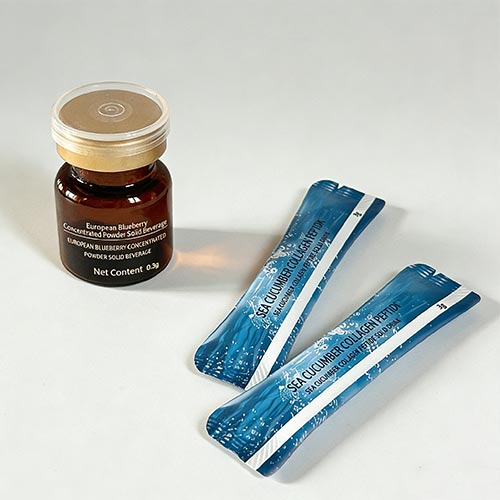
La energía y la proteína reciben la mayor atención, pero no son los únicos factores que afectan la idoneidad del producto.
Contenido de fibra
Algunos productos ONS contienen fibra, mientras que otros no tienen fibra o tienen menos fibra. La opción correcta depende de la ingesta total de dieta, hidratación, tolerancia digestiva y recomendaciones profesionales.
Agregar más fibra no siempre es apropiado. Una persona que ya consume suficiente fibra puede no necesitar un producto de alto contenido en fibra. Alguien con un sistema digestivo sensible puede requerir un enfoque gradual.
Equilibrio de vitaminas y mineral
Una fórmula nutricionalmente completa generalmente proporciona una amplia gama de vitaminas y minerales, pero la cantidad entregada depende del volumen de la porción y la ingesta diaria.
La etiqueta debe aclarar si el producto está destinado a proporcionar una nutrición completa en una cantidad específica o simplemente complementar la dieta normal. Esta distinción evita la suposición de que una porción proporciona automáticamente todos los requisitos nutricionales diarios.
Tolerancia de ingredientes
Revise los ingredientes para posibles alérgenos, edulcorantes, fuentes de proteínas, contenido de lactosa, requisitos relacionados con el gluten y otras consideraciones dietéticas relevantes.
La tolerancia debe evaluarse en función de todo el producto en lugar de una sola declaración de marca frontal. Dos fórmulas con valores similares de calorías y proteínas pueden utilizar diferentes fuentes de grasa, carbohidratos, fibras, sabores y estabilizadores que afectan la experiencia del usuario.
Priorice el sabor, la textura y la ingesta constante
La composición de nutrientes determina lo que puede proporcionar un producto. La aceptación determina si esos nutrientes se consumen realmente.
La fatiga del sabor es un problema práctico común cuando se usa repetidamente la misma bebida dulce. Incluso un sabor previamente aceptable puede volverse menos atractivo después de su uso frecuente. Ofrecer una variedad adecuada puede ayudar, siempre que cada opción coincida con el perfil de nutrientes requerido.
La temperatura de servicio también puede influir en la aceptación. Algunas personas prefieren los productos refrigerados, mientras que otras toleran mejor las porciones a temperatura ambiente. Los polvos pueden ofrecer flexibilidad adicional porque la textura y la intensidad del sabor a veces se pueden ajustar dentro de las instrucciones de preparación aprobadas.
No asuma que las porciones inacabadas son causadas por la falta de motivación. La porción puede ser demasiado grande, demasiado concentrada, mal sincronizada, difícil de abrir o desagradable a la temperatura recomendada.
Una revisión práctica de adherencia debe preguntar:
- ¿Cuánto de cada porción está realmente terminada?
- ¿A qué hora es mejor la aceptación?
- ¿El producto reduce el apetito por las comidas?
- ¿Es la preparación demasiado complicada?
- ¿Se ha desarrollado la fatiga del gusto?
- ¿Sigue siendo adecuada la textura?
Esta información puede ser más útil que simplemente cambiar a un producto con una especificación nutricional más fuerte.
Revise la información de la etiqueta y la calidad del producto
Una etiqueta de suplemento nutricional profesional de ONS debe proporcionar suficiente información para comparar los productos con precisión.
Los detalles importantes incluyen:
- Energía por porción y por unidad de volumen
- Proteína por porción
- Contenido de carbohidratos y grasas
- Contenido de fibra
- Niveles de vitaminas y minerales
- Tamaño de la porción
- Instrucciones de preparación
- Condiciones de almacenamiento
- Información alérgeno
- Uso previsto
- Identificación por lotes
- Información de vida útil
Compare siempre los productos con la misma base. Una etiqueta puede presentar nutrientes por botella, mientras que otra los presenta por 100 mililitros o por porción preparada. Convertirlos en una base de servicio consistente evita comparaciones inexactas.
La calidad de fabricación es igualmente importante. El desarrollo de productos debe incluir controles de materia prima, verificación de fórmulas, higiene de la producción, pruebas microbiológicas cuando corresponda, compatibilidad de empaques, evaluación de estabilidad y trazabilidad de lotes.
Las reclamaciones deben seguir siendo proporcionales a la evidencia disponible. Un producto de ONS puede apoyar la ingesta nutricional, pero no debe presentarse como garantía de un resultado clínico específico.
Utilice un marco de selección ONS de cinco filtros
Una forma práctica de comparar productos es aplicar cinco filtros en orden.
1. Necesidad nutricional
Defina la brecha primero. ¿La energía prioritaria, la proteína, la ingesta general de nutrientes, el volumen de servicio más pequeño es una combinación de estos?
2. Densidad de nutrientes
Compruebe lo que proporciona una porción realista. No base la decisión en lo que teóricamente podría consumir la persona si es poco probable que termine esa cantidad.
3. Formato
Seleccione un formato líquido, en polvo o semisólido que se ajuste a los requisitos de rutina, capacidad de preparación, apetito y textura de la persona.
4. Tolerancia
Revise los alérgenos, la respuesta digestiva, la dulzura, la textura, la temperatura de servicio y el efecto en la ingesta normal de comidas.
5. Verificación
Confirme la claridad de la etiqueta, la precisión de la preparación, los controles de calidad, los requisitos de almacenamiento y si la supervisión profesional es adecuada.
Este marco evita un error común: seleccionar la fórmula con la etiqueta más impresionante en lugar de la fórmula que mejor se adapte a la necesidad nutricional real.
Errores de selección de ONS comunes que se deben evitar
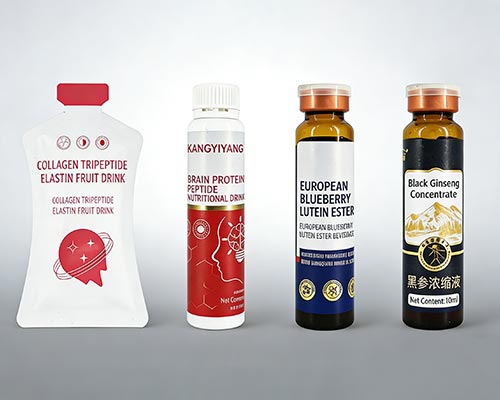
Un error común es elegir solo por conteo de calorías. Las calorías importan, pero la proteína, el volumen de servicio, los micronutrientes, la tolerancia y el consumo real también afectan la idoneidad.
Otro error es usar ONS a la hora de las comidas cuando reduce significativamente el apetito por la comida ordinaria. En muchas situaciones, servirlo entre comidas puede funcionar mejor, aunque el momento debe reflejar el plan de nutrición individual.
El cambio frecuente también puede dificultar la evaluación. Cuando varios productos cambian a la vez, se vuelve más difícil identificar si el sabor, la textura, los ingredientes, el volumen o el tiempo causaron un problema.
Otros errores incluyen:
- Preparación de polvo con la cantidad incorrecta de líquido
- Suponiendo que cada fórmula con alto contenido de proteínas esté nutricionalmente completa
- Ignorar las porciones sin terminar
- No revisar los cambios en el apetito o el peso corporal
- Usando una textura que no ha sido evaluada profesionalmente
- Continuar con el mismo plan sin comprobar si las necesidades han cambiado
La selección de SGA debe tratarse como un proceso continuo en lugar de una decisión única.
idea de narración
Elegir un suplemento nutricional de ONS requiere más que comparar reclamos de marca frontal. Un producto adecuado debe coincidir con la brecha nutricional del usuario, el apetito, el formato preferido, la tolerancia a los ingredientes, la rutina diaria y la capacidad de consumir de manera constante.
Comience con la necesidad real, compare los nutrientes en una base igual, evalúe el formato y la tolerancia, y revise el progreso a lo largo del tiempo. La orientación profesional es particularmente importante cuando la ingesta sigue siendo baja, los cambios de peso corporal inesperadamente, la deglución es difícil o hay requisitos nutricionales complejos.
La elección más fuerte no es necesariamente la fórmula más concentrada. Es la fórmula que proporciona la nutrición adecuada, en la cantidad correcta, a través de un formato que la persona puede usar de forma fiable.
preguntasrán el
¿Qué es un suplemento nutricional de ONS?
Un suplemento nutricional de ONS es un producto oral que proporciona energía concentrada, proteínas, vitaminas, minerales u otros nutrientes. Normalmente se usa junto con los alimentos ordinarios cuando las comidas regulares no proporcionan suficiente nutrición para satisfacer las necesidades evaluadas.
¿Puede un suplemento nutricional de SON reemplazar las comidas normales?
Los productos ONS generalmente están diseñados para complementar los alimentos normales en lugar de reemplazarlos automáticamente. Si una fórmula puede proporcionar una nutrición completa depende de su composición, la cantidad consumida, su uso previsto y la orientación de un profesional debidamente calificado.
¿Cómo elijo entre líquido y en polvo?
Los líquidos listos para beber ofrecen una preparación para servir conveniencia y consistente. Los polvos proporcionan una mayor flexibilidad pero requieren una medición y mezclado precisos. El mejor formato depende del apetito, la rutina, el almacenamiento, la capacidad de preparación, la preferencia de textura y la cantidad que probablemente se consumirá.
¿Es siempre una ons alta en proteínas la mejor opción?
prohibido . Una fórmula alta en proteínas es más útil cuando la ingesta de proteínas es la brecha identificada. Algunas personas necesitan más energía, volúmenes de servicio más pequeños, soporte de micronutrientes más amplio o tolerancia mejorada. La selección de productos debe reflejar la evaluación nutricional completa.
¿Cómo puedo saber si un producto ONS es adecuado?
Revise la energía, la proteína, el tamaño de la porción, los ingredientes, los alérgenos, la fibra, los micronutrientes, las instrucciones de preparación y los requisitos de almacenamiento. La idoneidad también debe juzgarse por la tolerancia, la cantidad realmente consumida y si las necesidades nutricionales o los patrones de alimentación cambian con el tiempo.