
L'industrie des suppléments entre dans une nouvelle phase d'innovation de produits, et Softgel Manufacturing est en train de devenir l'une des technologies les plus importantes derrière elle. Les consommateurs ne choisissent plus de suppléments basés uniquement sur des ingrédients. Ils accordent également une attention particulière à l'efficacité d'absorption, à la commodité, à la stabilité, au goût, à la durée de conservation et au format de livraison. Ce changement pousse les marques de suppléments à repenser la façon dont les produits sont formulés et fabriqués.
Les gélules sont désormais largement utilisées dans des catégories telles que les huiles oméga, la nutrition beauté, le soutien cognitif, la récupération sportive et la nutrition basée sur la mer. Leur popularité continue d'augmenter car ils résolvent plusieurs problèmes que les comprimés et les poudres traditionnels ne peuvent pas résoudre entièrement.
Si vous créez ou développez une marque de suppléments, la compréhension du fonctionnement de Softgel Manufacturing moderne peut vous aider à prendre des décisions de produits plus intelligentes et à améliorer la compétitivité à long terme.
Table des matières
Pourquoi les softgels deviennent le format de supplément préféré

Les softgels offrent plusieurs avantages techniques et commerciaux qui expliquent leur croissance rapide du marché.
Meilleure protection des ingrédients
De nombreux nutriments actifs sont sensibles à l'oxygène, à l'humidité et à l'exposition à la lumière. L'encapsulation SoftGel crée un environnement scellé qui aide à maintenir la stabilité des ingrédients pendant le stockage et le transport.
Ceci est particulièrement important pour :
- Huiles marines
- Vitamines liposolubles
- extraits botaniques
- Composés de coenzyme
- Lipides fonctionnels
Comparativement aux comprimés traditionnels, les gélules offrent souvent une meilleure protection des ingrédients sensibles à l'oxydation.
Expérience améliorée pour les consommateurs
Recherche sur le comportement des consommateurs publiée par des organisations comme Conseil pour la nutrition responsable montre que la commodité et la facilité de déglutition influencent fortement les décisions d'achat des suppléments.
Les gélules fournissent :
- Expérience de déglutition en douceur
- Désagréable goût désagréable
- Utilisation quotidienne portable
- Perception des produits haut de gamme
Ces facteurs améliorent la conformité à long terme des suppléments.
Potentiel de biodisponibilité plus élevé
De nombreux produits de gélules utilisent des systèmes de livraison à base d'huile, ce qui peut améliorer l'absorption de certains nutriments par rapport aux comprimés comprimés ou aux poudres sèches.
Pour les nutriments lipophiles, cela peut affecter de manière significative les performances.
Que se passe-t-il réellement dans une usine de fabrication de softgel ?
La plupart des acheteurs ne voient que la capsule finale. Très peu de gens comprennent les systèmes d'ingénierie et de qualité requis derrière la fabrication professionnelle de Softgel.
Un processus de production de softgel moderne comprend généralement :
| Étape de fabrication | intention | Principale mise au point sur |
|---|---|---|
| Test des ingrédients | Vérifier la pureté des matières premières | Contrôle de l'identité et des contaminations |
| mélange d'huile | Créer une formulation de remplissage stable | homogénéité et résistance à l'oxydation |
| préparation de gel | produire du matériel de coque de capsule | Viscosité et contrôle de l'humidité |
| encapsulation | Formulaire et remplissage des capsules | Précision de dosage |
| processus de séchage | Stabiliser la structure de la cap | Consistance de forme |
| Tri et inspection | Retirer les unités défectueuses | Inspection visuelle et poids |
| conditionnement | Protéger le produit final | Barrières à l'oxygène et à l'humidité |
Chaque étape affecte directement la qualité du produit final et la stabilité de l'étagère.
Pourquoi l'expertise en fabrication est plus que jamais importante
Le marché des suppléments est devenu plus compétitif. Les formulations de base ne suffisent plus à se démarquer.
Les consommateurs d'aujourd'hui attendent :
- Formulations d'étiquettes propres
- Meilleurs systèmes d'absorption
- Qualité constante
- Sourcing transparent
- Technologies de livraison avancées
C'est pourquoi l'expertise en fabrication de Softgel est importante. Un processus de production mal contrôlé peut conduire à :
- fuite de capsule
- Instabilité des ingrédients
- Problèmes d'oxydation
- Dosage incohérent
- Durée de conservation réduite
Les systèmes de fabrication professionnels réduisent considérablement ces risques.
L'essor des suppléments de gels marins à base de marins
L'un des domaines à la croissance la plus rapide dans la fabrication de softgel est la nutrition à base de mer.
Les consommateurs recherchent de plus en plus des nutriments dérivés de la mer parce qu'ils les associent à :
- Approvisionnement naturel
- Assistance bien-être fonctionnelle
- Positionnement nutritionnel de qualité supérieure
Les huiles marines, les phospholipides, les extraits de collagène et les nutriments dérivés d'algues sont désormais largement utilisés dans les formulations de gels soft avancés.
Cette tendance est soutenue par l'intérêt croissant des consommateurs pour le bien-être préventif et le vieillissement en bonne santé.
Pour plus de connaissances dans l'industrie, la Alliance internationale des associations alimentaires/aliments Publie régulièrement des rapports sur les développements du marché mondial des suppléments.
Les gélules végétales se développent rapidement
Les gélules traditionnelles utilisent des coquilles de gélatine. Cependant, les alternatives à base de plantes prennent de plus en plus d'importance.
Les consommateurs modernes recherchent souvent :
- Produits à base de plantes
- Positionnement de l'étiquette propre
- Matériaux de capsules
- Formulations soucieuses de l'environnement
Cela a accéléré l'innovation dans les technologies de fabrication de gels végétariens.
Développer des gélules à base de plantes stables est techniquement difficile, car la flexibilité de la coque, la résistance à l'oxygène et l'équilibre de l'humidité doivent rester stables dans le temps.
Les marques entrant dans ce segment ont besoin de partenaires de fabrication avec des capacités de formulation avancées.
Pourquoi les tests de stabilité sont essentiels dans la fabrication de softgel
Les tests de stabilité sont l'un des domaines les plus négligés de la production de suppléments.
Les gélules sont particulièrement sensibles car elles contiennent des remplissages liquides. Sans tests appropriés, des problèmes peuvent se développer pendant le transport ou le stockage à long terme.
L'évaluation de la stabilité professionnelle comprend :
- Essai de résistance à la
- Analyse de l'humidité
- Surveillance de l'oxydation
- Évaluation de l'intégrité de la
- Rétention de puissance des ingrédients
Lignes directrices publiées par le Administration américaine des aliments et des médicaments et le Organisation mondiale de la santé Souligner l'importance de la vérification de la stabilité dans la fabrication de compléments alimentaires.
Le rôle caché du contrôle de l'oxygène
La gestion de l'oxygène est une des principales raisons pour lesquelles la fabrication de softgel premium diffère de la production de mauvaise qualité.
L'exposition à l'oxygène peut endommager les huiles et les ingrédients actifs. Les installations professionnelles mettent souvent en œuvre :
- Systèmes de protection de l'az
- Environnements d'encapsulation contrôlés
- Barrières d'emballage spécialisées
- Systèmes de formulation résistants à l'oxydation
Ceci est particulièrement important pour les ingrédients marins et les huiles fonctionnelles.
La conformité réglementaire devient de plus en plus exigeante
Les règlements mondiaux sur les suppléments continuent d'évoluer.
La fabrication professionnelle de softgel nécessite désormais :
- Systèmes HACCP
- Gestion de la qualité certifiée ISO
- Approvisionnement des ingrédients traçables
- Documentation de test par lots
- Systèmes de contrôle microbiens
Les fabricants qui ne peuvent pas répondre aux normes de conformité modernes peuvent avoir des difficultés à atteindre un accès à long terme sur le marché.
Vous pouvez en savoir plus sur les normes de fabrication des suppléments via le Bureau des suppléments alimentaires des Instituts nationaux de la santé.
Comment les marques intelligentes choisissent un partenaire de fabrication Softgel
Choisir le bon partenaire de fabrication est désormais une décision stratégique plutôt qu'une simple décision d'approvisionnement.
Voici plusieurs facteurs que les marques de suppléments expérimentés évaluent avec soin :
Capacité de R&D technique
Le fabricant peut-il prendre en charge :
- Optimisation de formule ?
- Améliorations de la stabilité ?
- Amélioration de la biodisponibilité ?
- Innovation du système de livraison ?
Flexibilité de la forme posologique
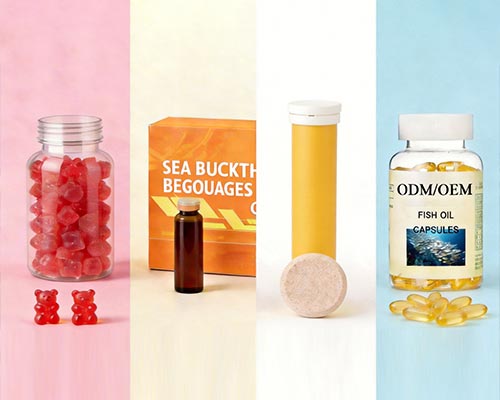
Un fabricant compétent doit prendre en charge plusieurs systèmes de livraison, tels que :
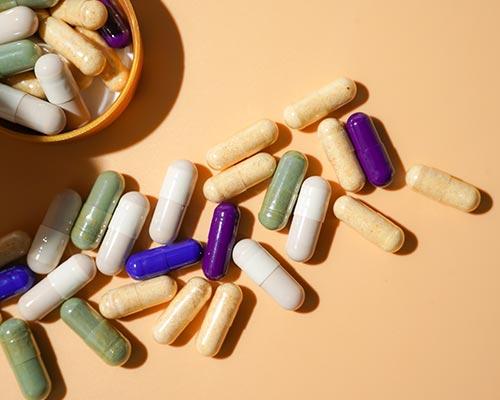
- gélules
- Capsules dures
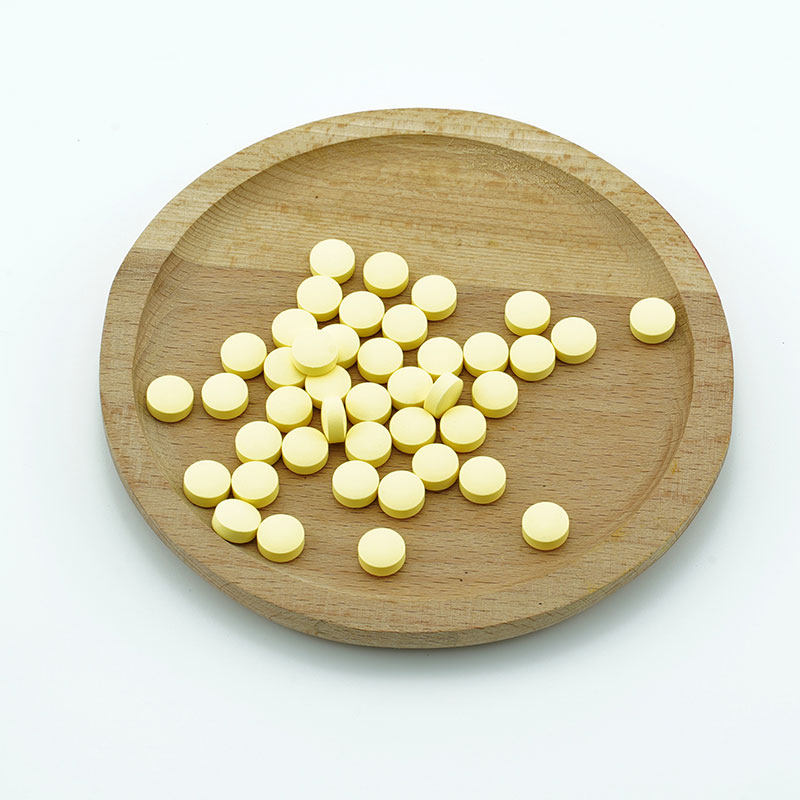
- comprimés
- gommes
- poudres
- Liquides buccaux
Vous pouvez explorer ici des solutions de fabrication de dosage supplémentaires :
- Solutions de fabrication de capsule
- Fabrication de suppléments de softgel
- Services de fabrication de suppléments personnalisés
Certifications de qualité
Recherchez :
- Systèmes HACCP
- Certifications ISO
- Contrôles de qualité tiers
- Traçabilité des matières premières
évolutivité
Un partenaire de fabrication solide doit soutenir les deux :
- Lancements de produits en petits lots
- Croissance de la production à grande échelle
L'avenir de la fabrication de softgel
Plusieurs tendances majeures sont susceptibles de façonner la prochaine génération de suppléments de softgel :
Systèmes de biodisponibilité avancés
Les fabricants investissent dans les technologies de livraison des lipides pour améliorer l'absorption des nutriments.
Supplémentation personnalisée
Les consommateurs veulent de plus en plus de produits conçus pour des objectifs et des modes de vie spécifiques.
Sourcing d'ingrédients durables
La transparence de la chaîne d'approvisionnement devient un facteur d'achat majeur.
Systèmes de livraison hybrides
Les futurs softgels peuvent combiner :
- Technologies de mise à jour différée
- Livraison de nutriments en plusieurs phases
- Combinaison de systèmes actifs
Réflexions finales
Fabrication de softgel Ce n'est plus simplement de produire des capsules. Il s'agit désormais de la science de la formulation, du contrôle de l'oxydation, de l'optimisation de la biodisponibilité, des systèmes de qualité, de la conformité réglementaire et de l'ingénierie de livraison avancée.
Alors que les attentes des consommateurs continuent d'augmenter, les marques de suppléments qui investissent dans des normes de fabrication plus élevées gagneront probablement un positionnement à long terme plus fort.
Comprendre le fonctionnement de SoftGel Manufacturing moderne vous permet de prendre des décisions plus éclairées sur la stratégie de formulation, la sélection des ingrédients et les partenariats de production.
FAQ
Pourquoi les softgels sont-ils populaires dans les suppléments ?
Les gélules sont faciles à avaler, protègent les ingrédients sensibles et peuvent améliorer l'absorption des nutriments.
Quels ingrédients fonctionnent le mieux dans les gélules ?
Les nutriments à base d'huile, les ingrédients marins, les vitamines liposolubles et les extraits botaniques sont couramment utilisés.
Des gélules végétales sont-elles disponibles ?
Oui. De nombreux fabricants proposent désormais des technologies de gels-softgels végétariennes et végétales.
Pourquoi le contrôle de l'oxydation est-il important dans Fabrication de softgel?
L'oxydation peut réduire la stabilité, la puissance et la durée de conservation des ingrédients, en particulier pour les huiles.
Quelles certifications un fabricant de softgel devrait-il avoir ?
Les certifications courantes comprennent HACCP, les systèmes de qualité ISO et les programmes de traçabilité des ingrédients.
En quoi Softgel Manufacturing diffère-t-il de la production de tablettes ?
La production de softgel nécessite des systèmes d'encapsulation liquide, des tunnels de séchage, un contrôle de la formulation de la coque et une gestion de l'oxydation.
Les softgels peuvent-ils prendre en charge les formulations personnalisées ?
Oui. Les fabricants modernes peuvent personnaliser les ingrédients, les dosages, les tailles de capsules, les couleurs et les systèmes de livraison.