
Table des matières
introduction
Les boissons antioxydantes sont devenues une catégorie importante dans la nutrition fonctionnelle, car elles associent une hydratation pratique avec des ingrédients associés à l'équilibre oxydatif et au bien-être quotidien. Cependant, une boisson antioxydante forte n'est pas créée en ajoutant plusieurs extraits populaires à l'eau aromatisée.
La formule doit tenir compte de l'identité des ingrédients, de la concentration efficace, de la solubilité, du goût, de la couleur, de l'acidité, de l'oxydation, de l'emballage, du stockage et de l'utilisation quotidienne réaliste. Un ingrédient peut être performant dans une capsule ou une poudre mais devenir instable, mal dispersé ou désagréable lorsqu'il est placé dans un produit prêt à boire.
Les boissons antioxydantes les plus utiles sont donc construites autour d'un objectif nutritionnel clair. Ils utilisent des ingrédients compatibles, conservent une qualité acceptable tout au long de leur durée de conservation et communiquent leur rôle sans promesses exagérées.
Cet article explique comment fonctionnent les ingrédients de boissons antioxydantes, les facteurs de formulation les plus importants, pourquoi les scores antioxydants de laboratoire nécessitent un contexte et comment les fabricants peuvent créer des produits stables et agréables pour la nutrition quotidienne.
Que sont les boissons antioxydantes ?
Les boissons antioxydantes sont des boissons formulées avec des nutriments ou des composés d'origine végétale qui peuvent participer aux processus antioxydants. Les exemples courants incluent des produits contenant de la vitamine C, de la vitamine E, des caroténoïdes, des polyphénols, des extraits de botaniques, des extraits de fruits et des minéraux sélectionnés.
un antioxydant est généralement décrite comme une substance qui peut ralentir ou réduire l'oxydation. Dans le corps humain, les systèmes antioxydants aident à gérer les molécules réactives produites par le métabolisme normal et l'exposition environnementale.
Cela ne signifie pas que chaque boisson étiquetée comme antioxydante produit le même effet nutritionnel. La valeur de la boisson finie dépend de l'ingrédient exact, de la quantité de service, de la forme chimique, de la stabilité et de l'alimentation globale.
Une boisson composée principalement d'arômes de fruits et d'édulcorants ne doit pas être traitée comme équivalente à une formule soigneusement développée contenant des ingrédients standardisés et des quantités nutritives vérifiées.
Le terme boisson antioxydante peut décrire plusieurs formats, notamment les boissons prêtes à boire, les shots concentrés, les mélanges de boissons en poudre, les produits effervescents et les concentrés liquides. Chaque format crée des exigences techniques et nutritionnelles différentes.
Pourquoi l'équilibre oxydant est plus complexe qu'un ingrédient
L'oxydation est une partie normale de l'activité biologique. Le corps utilise de l'oxygène pour produire de l'énergie, et ce processus peut générer des molécules réactives. L'exercice, le métabolisme, les conditions environnementales et d'autres facteurs peuvent influencer leur production.
Le corps gère ces molécules grâce à un réseau d'enzymes antioxydantes et de composés alimentaires. Ce réseau est plus complexe que de prendre un ingrédient en grande quantité.
Pour cette raison, les boissons antioxydantes doivent être positionnées dans le cadre d'une stratégie nutritionnelle équilibrée plutôt que comme des produits qui éliminent l'oxydation ou garantissent la protection contre les problèmes de santé.
Une boisson bien conçue peut apporter de la vitamine C, des polyphénols végétaux, des caroténoïdes ou d'autres composés à l'alimentation. Sa valeur vient de la fourniture de ces ingrédients dans une portion stable et pratique.
Une communication responsable est particulièrement importante. Les déclarations sur le soutien de la prise d'antioxydants ou sur le maintien d'une protection cellulaire normale sont plus appropriées que les promesses de détoxifier le corps, de vieillir inversé ou de prévenir les maladies.
Ingrédients courants utilisés dans les boissons antioxydantes
Les formules de boissons antioxydantes peuvent utiliser un principe actif principal ou une combinaison soigneusement sélectionnée. Le choix doit refléter le concept de produit, le profil de saveur, la méthode de traitement et les conditions de stockage.
| Catégorie d'ingrédi | Exemples courants | Avantage principal de la formulation | Principal défi technique |
|---|---|---|---|
| Vitamines solubles dans l'eau | Vitamine C | Facile à positionner dans les formules nutritionnelles quotidiennes | Sensible à l'oxygène, à la lumière, à la chaleur et au temps de stockage |
| Nutriments liposolubles | Vitamine E, coenzyme Q10 | Convient aux concepts antioxydants spécialisés | nécessitent une émulsification ou un autre système de livraison |
| Sources de polyphénols | Extraits de thé, composés de raisin, extraits de baies | Fournir un positionnement botanique et une couleur naturelle | Amertume, astringence, changement de couleur et précipitations |
| caroténoïdes | Bêta-carotène, lutéine, lycopène | Prend en charge les formulations colorées et haut de | Faible solubilité dans l'eau et sensibilité à la lumière |
| Ingrédients des | Concentrés de baies, ingrédients d'agrumes, extraits de grenade | Goût familier et attrait naturel des produits | Sucre, acidité, stabilité des couleurs et variation des lots |
| Cofacteurs minéraux | Zinc, Sélénium, Manganèse | Peut supporter des systèmes enzymatiques antioxydants normaux | Goût, interactions et contrôle du niveau de service |
| extraits botaniques | Romarin, curcuma, acérola, extraits d'olive | Créer des concepts fonctionnels différenciés | Standardisation, sédimentation et compatibilité des saveurs |
Le tableau montre pourquoi la sélection des ingrédients ne peut pas être séparée de la technologie des boissons. Un composé avec de fortes caractéristiques antioxydantes lors des tests de laboratoire peut être difficile à utiliser dans une boisson agréable et stable.
Les ingrédients hydrosolubles et liposolubles se comportent différemment
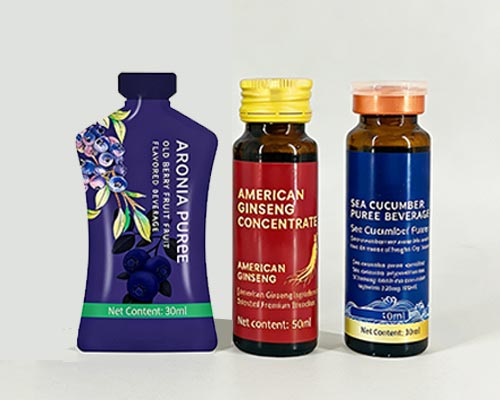
L'une des décisions de formulation les plus importantes est de savoir si les ingrédients actifs se dissolvent naturellement dans l'eau.
La vitamine C et certains composés végétaux peuvent être incorporés relativement facilement dans les boissons aqueuses. Même ainsi, ils peuvent se dégrader pendant le traitement ou le stockage lorsqu'ils sont exposés à l'oxygène, à la chaleur, à la lumière ou à une acidité inadaptée.
Les composés liposolubles créent un défi différent. Les ingrédients tels que la vitamine E, les caroténoïdes et la coenzyme Q10 ne se dissolvent pas naturellement bien dans l'eau. Sans un système de livraison approprié, ils peuvent flotter, séparer, former des particules visibles ou rester inégalement répartis.
Les approches de formulation possibles comprennent les émulsions, les ingrédients encapsulés, les supports appropriés et les systèmes d'ingrédients dispersibles. La méthode appropriée dépend du composé actif, de l'apparence de la boisson, des conditions de traitement, de l'emballage et de la cible de la durée de conservation.
Une boisson claire peut nécessiter un système différent d'un produit de style smoothie opaque. Un shot concentré peut tolérer une couleur et une saveur plus fortes qu'une boisson à hydratation légèrement aromatisée.
C'est pourquoi les meilleures boissons antioxydantes commencent par un format défini plutôt qu'une liste de souhaits d'ingrédients.
Les tests de capacité antioxydante nécessitent une interprétation minutieuse
Les boissons antioxydantes sont parfois encouragées à l'aide de mesures de laboratoire telles que la capacité d'absorbance des radicaux d'oxygène ou d'autres tests chimiques antioxydants.
Ces méthodes peuvent fournir des informations utiles sur le comportement d'un échantillon dans des conditions de laboratoire spécifiques. Cependant, un numéro de laboratoire n'explique pas complètement ce qui se passe après qu'une personne a bu le produit.
La digestion, l'absorption, le métabolisme, la transformation des ingrédients, la taille des portions et les interactions avec les aliments peuvent tous influencer la pertinence biologique d'un composé.
Un score antioxydant de laboratoire élevé ne doit donc pas être utilisé comme seule mesure de la qualité des boissons. Il ne prouve pas automatiquement qu'une boisson est plus bénéfique qu'une autre.
Une évaluation plus complète devrait envisager :
Identité des ingrédients.
Contenu actif standardisé.
Montant par portion.
Stabilité tout au long de la durée de conservation.
Biodisponibilité du formulaire sélectionné.
Compatibilité avec la base de boissons.
Tests de produits finis.
Communication nutritionnelle réaliste.
Cette approche crée des informations produit plus significatives que de se fier à un nombre dramatique sans contexte.
La saveur fait partie des performances du produit
Les ingrédients antioxydants ont souvent des caractéristiques sensorielles difficiles. Les polyphénols de thé peuvent être amers ou astringents. Les extraits botaniques peuvent avoir un goût terreux, épicé ou médicinal. Les minéraux peuvent créer des notes métalliques. Certaines vitamines peuvent augmenter l'acidité ou l'arrière-goût.
Le développement de la saveur ne doit pas être traité comme une étape finale ajoutée une fois la formule active terminée. Cela devrait commencer au début de la formulation, car les niveaux d'ingrédients et l'acceptation sensorielle s'influencent mutuellement.
Une boisson techniquement forte offre peu de valeur pratique lorsque les utilisateurs n'aiment pas la boire de manière cohérente.
Les profils de fruits sont souvent utilisés car ils peuvent compléter les ingrédients naturellement acides ou légèrement amers. Les concepts d'agrumes, de baies, de fruits tropicaux et de fruits mixtes peuvent aider à créer une expérience gustative familière.
La douceur doit également être équilibrée avec soin. Une douceur excessive peut cacher une certaine amertume, mais peut créer un arrière-goût lourd ou un conflit avec la position nutritionnelle prévue.
L'acidité affecte la saveur, le contrôle microbien, la stabilité des ingrédients et la couleur. L'ajustement de l'acidité pour améliorer le goût peut modifier le comportement des vitamines, des minéraux, des extraits botaniques ou des matériaux d'emballage.
Les boissons antioxydantes réussies équilibrent le contenu nutritionnel et le goût au lieu de sacrifier l'un pour l'autre.
La couleur et la clarté nécessitent un contrôle actif
Les consommateurs associent souvent des couleurs riches aux fruits et ingrédients botaniques, mais les couleurs naturelles peuvent changer pendant le stockage.
Les pigments violets et rouges peuvent réagir à l'acidité, à l'oxygène, à la chaleur, à la lumière, aux minéraux et à d'autres ingrédients. Une boisson qui semble brillante au cours du développement peut devenir terne, brune, trouble ou inégale avant la fin de sa durée de conservation.
Certains sédiments sont attendus dans certaines boissons naturelles, mais une séparation inattendue peut réduire la confiance des utilisateurs.
L'apparence souhaitée doit être définie tôt. Les développeurs de produits doivent déterminer si la boisson sera claire, légèrement trouble, opaque, pulpeuse ou naturellement sédimentée.
Une apparence stable nécessite une attention à la taille des particules, à la solubilité des ingrédients, à la température de traitement, à l'homogénéisation, au pH, à l'emballage et au stockage.
La couleur ne doit pas être utilisée comme preuve de la résistance antioxydante. Une boisson fortement colorée peut contenir une matière active standardisée limitée, tandis qu'une formule légèrement colorée peut fournir une quantité soigneusement mesurée d'un nutriment spécifique.
La stabilité des ingrédients détermine la qualité de la durée de conservation
La quantité d'ingrédients actifs au moment de la production n'est que le début. Les boissons antioxydantes doivent conserver une qualité acceptable jusqu'à la fin de leur durée de conservation.
La vitamine C est couramment utilisée dans les formules de boissons, mais peut diminuer par oxydation. La lumière, la chaleur, l'oxygène, les ions métalliques et l'espace de tête des emballages peuvent influencer sa stabilité.
Les polyphénols végétaux peuvent également changer de couleur, de goût ou de concentration. Les ingrédients liposolubles peuvent se séparer ou devenir moins uniformément répartis si le système d'émulsion est instable.
Les tests de stabilité devraient examiner la boisson finale dans son emballage prévu. Le test de l'ingrédient brut à lui seul ne peut pas prédire toutes les interactions dans la formule complète.
Les observations de stabilité pertinentes peuvent inclure :
Contenu des ingrédients actifs.
Goût et arôme.
Couleur.
clarté ou sédiment.
Acidité.
Intégrité des packages.
qualité microbiologique.
séparation.
Indicateurs d'oxydation, le cas échéant.
Le produit fini doit être évalué dans des conditions de stockage qui reflètent sa distribution et son utilisation prévues.
L'emballage fait partie du système antioxydant
L'emballage affecte la quantité de lumière, d'oxygène, d'humidité et de chaleur qui atteignent la boisson.
Une bouteille transparente peut afficher une couleur attrayante, mais elle peut exposer des ingrédients sensibles à la lumière. Un récipient opaque ou protecteur de lumière peut offrir une meilleure stabilité pour certaines formules.
La fermeture doit maintenir un scellement efficace. L'oxygène dans l'espace de tête de l'emballage peut également influencer les ingrédients sensibles à l'oxydation.
Les emballages à portion unique réduit l'ouverture répétée, tandis que les conteneurs plus grands peuvent être plus pratiques pour une utilisation multi-services. Chaque option crée des considérations de stabilité et de gestion des utilisateurs différentes.
Les tests de compatibilité des colis sont importants car les acides, les saveurs, les huiles, les couleurs et les extraits botaniques peuvent interagir avec les fermetures, les doublures ou les matériaux de conteneur.
Le paquet doit donc être sélectionné lors du développement de la formulation, et non après la finalisation de la formule de boisson.
professionnel Fabrication de boissons fonctionnelle Doit coordonner le développement de formules, le traitement, le remplissage, l'emballage et la planification de la stabilité en tant que système connecté.
Sucre, édulcorants et le profil nutritionnel complet
Un ingrédient antioxydant ne rend pas automatiquement toute la boisson équilibrée sur le plan nutritionnel.
Certaines boissons tirent la plupart de leur saveur et de leur corps à partir de jus de fruits ou d'édulcorants concentrés. D'autres utilisent des systèmes à faible teneur en sucre, des édulcorants alternatifs ou des bases d'eau légèrement aromatisées.
La bonne approche dépend du concept de produit. Un shot de nutrition concentré peut avoir des exigences différentes d'un mélange quotidien de boissons ou de boissons en poudre.
Le panneau nutritionnel complet doit être pris en compte aux côtés des ingrédients antioxydants. Les facteurs pertinents comprennent l'énergie, les glucides, le sucre, le sodium, les vitamines, les minéraux et la taille des portions.
Le choix des édulcorants peut affecter l'arrière-goût, la stabilité, la perception de l'acidité et l'amertume botanique. Certains extraits naturels peuvent devenir plus visibles lorsque le sucre est réduit.
Une formule à faible teneur en sucre à faible teneur en sucre nécessite souvent plus que le remplacement d'un édulcorant. La saveur, l'équilibre acide, l'arôme, le corps et la concentration d'ingrédients peuvent être ajustés.
L'objectif devrait être une boisson cohérente plutôt qu'un produit construit autour d'une affirmation attrayante sur le devant.
Boissons prêtes à boire et mélanges de boissons en poudre
Les boissons antioxydantes peuvent être livrées sous forme de liquides ou de poudres prêts à boire qui sont mélangés à de l'eau avant utilisation.
Les produits prêts à boire offrent une commodité et une préparation cohérente. La portion est déjà mesurée et la saveur est contrôlée pendant la production.
Cependant, le stockage des liquides crée un contact plus long entre l'eau et les ingrédients actifs. Cela peut augmenter l'importance du contrôle de l'oxydation, de la gestion microbienne, de la sélection des colis et de la stabilité à long terme.
Les mélanges de boissons en poudre peuvent offrir une plus grande stabilité à certains ingrédients car ils contiennent moins d'eau disponible avant la préparation. Ils peuvent également réduire le poids d'expédition et permettre un emballage flexible.
Les poudres présentent leurs propres défis, notamment la fluidité, l'absorption de l'humidité, l'uniformité du mélange, la poussière, la solubilité et la précision de service.
Aucun des deux formats n'est toujours meilleur. La sélection doit refléter le système d'ingrédients, le but de service, la routine de l'utilisateur, la durée de conservation de la cible et l'expérience sensorielle souhaitée.
Contrôles de fabrication pour des boissons antioxydantes cohérentes
La production commerciale de boissons doit reproduire la formule prévue dans chaque lot.
Les matières premières doivent être identifiées, pesées avec précision et stockées dans des conditions appropriées. Les extraits botaniques et les fruits peuvent varier d'un lot à l'autre, de sorte que les spécifications doivent s'étendre sur le contenu actif, la couleur, la saveur, l'humidité et la qualité microbienne.
L'ordre dans lequel les ingrédients sont ajoutés peut affecter la dissolution et la stabilité. Certains ingrédients nécessitent un prémélange, une hydratation, une émulsification ou des conditions de température contrôlées.
Le traitement devrait minimiser l'exposition inutile à l'oxygène et à la chaleur tout en assurant la sécurité et la cohérence des produits.
Les contrôles de fabrication importants peuvent inclure :
Qualification des matières premières.
Gestion de la qualité de l'eau.
Vérification de la pesée.
Temps de mélange et vitesse.
Contrôle de la température.
Mesure de l'acidité.
homogénéisation si nécessaire.
Vérifications de volume de remplissage.
Inspection de fermeture.
Traçabilité des lots.
Tests de produits finis.
Une boisson antioxydante correctement conçue doit fonctionner non seulement dans un petit échantillon de développement, mais également lors du mélange, du transfert, du remplissage et de l'emballage à l'échelle commerciale.
Comment évaluer les étiquettes des boissons antioxydantes
Commencez par les ingrédients actifs et leurs quantités par portion. Une liste de noms de fruits ou d'extraits botaniques sans quantités peut fournir des informations limitées sur la formule réelle.
Vérifiez si l'étiquette identifie les ingrédients standardisés ou les niveaux de nutriments. Pour les vitamines et les minéraux, confirmez si les valeurs sont indiquées par bouteille, par portion ou par quantité quotidienne recommandée.
Examinez attentivement la taille de la portion Une bouteille concentrée peut contenir plus d'une portion, tandis qu'un sachet en poudre peut nécessiter une quantité spécifique d'eau.
La liste des ingrédients peut révéler des édulcorants, des couleurs, des saveurs, des conservateurs, des émulsifiants et d'autres composants de soutien. Ces ingrédients doivent être appropriés pour le format de boisson et clairement déclarés.
Les instructions de stockage sont également importantes. Certains produits nécessitent une protection contre la chaleur ou la lumière, tandis que d'autres peuvent avoir des instructions de réfrigération après ouverture.
L'étiquette ne doit pas suggérer que le produit remplace un régime alimentaire varié ou des soins professionnels. Les boissons antioxydantes sont des produits nutritionnels, des solutions non garanties pour les conditions médicales.
Erreurs courantes de formulation de boissons antioxydantes
Une erreur est de combiner trop d'ingrédients actifs sans vérifier la compatibilité. Une longue liste d'ingrédients peut créer des problèmes d'amertume, de sédiment, de changement de couleur ou de stabilité.
Une autre erreur est de se concentrer uniquement sur la capacité antioxydante des matières premières. La boisson finie peut contenir un niveau actif différent après le traitement et le stockage.
Les autres problèmes courants comprennent :
Utilisation d'ingrédients liposolubles sans système de dispersion efficace.
Ignorer l'oxygène dans l'espace de tête du paquet.
Choisir des emballages transparents pour des ingrédients très sensibles à la lumière.
Ajout de saveurs uniquement une fois la formule active terminée.
Utiliser une couleur naturelle sans tester la stabilité à long terme.
Comparaison des produits par nombre d'ingrédients plutôt qu'en contenu normalisé.
faire des réclamations qui vont au-delà des preuves disponibles.
Un processus de développement discipliné teste la formule complète dans des conditions réalistes avant la mise à l'échelle de la production.
Un cadre pratique pour développer des boissons antioxydantes
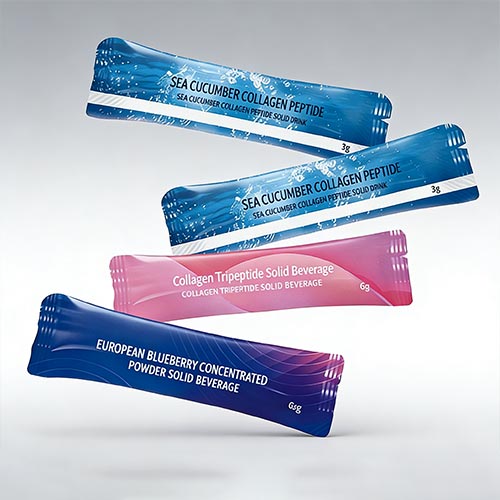
Un processus de développement fiable peut être organisé en cinq étapes.
Définissez d'abord le but nutritionnel. Décidez si la boisson se concentre sur la vitamine C, les polyphénols botaniques, les caroténoïdes, la coenzyme Q10 ou un système antioxydant équilibré.
Deuxièmement, sélectionnez les ingrédients selon le format de la boisson. La solubilité dans l'eau, la saveur, la couleur, la tolérance au traitement et la quantité de service doivent être envisagées ensemble.
Troisièmement, développez le système sensoriel. La saveur, la douceur, l'acidité, l'arôme et la sensation en bouche devraient favoriser une utilisation constante.
Quatrièmement, protégez la formule. Les conditions de traitement, la gestion de l'oxygène, l'emballage et les instructions de stockage doivent correspondre à la sensibilité des ingrédients.
Cinquièmement, vérifiez le produit fini. Le contenu actif, le goût, l'apparence, les performances de l'emballage et la qualité microbiologique doivent rester acceptables pendant la durée de conservation prévue.
Ce cadre contribue à transformer un concept attrayant en une boisson commercialement réaliste et digne de confiance.
conclusion
Les boissons antioxydantes peuvent fournir un moyen pratique d'inclure des vitamines, des minéraux et des composés végétaux sélectionnés dans une routine nutritionnelle quotidienne. Leur qualité dépend cependant de bien plus que des ingrédients colorés ou d'un score antioxydant de laboratoire élevé.
Une formule forte commence par un objectif nutritionnel clair. Il utilise des ingrédients compatibles avec la base de boissons, stables pendant le traitement, agréables à consommer et représentés avec précision sur l'étiquette.
La solubilité dans l'eau, l'oxydation, la saveur, l'acidité, la couleur, l'emballage et les tests de durée de conservation influencent tous le produit fini. Ces facteurs doivent être développés ensemble plutôt que considérés comme des décisions distinctes.
Les boissons antioxydantes les plus crédibles ne promettent pas des résultats irréalistes. Ils fournissent des informations transparentes sur les ingrédients, un positionnement nutritionnel responsable, une fabrication cohérente et une expérience pratique de la consommation.
un structuré Supplément de consultation de projet Peut coordonner la sélection des ingrédients, la formulation des boissons, l'emballage, les tests et les exigences de production commerciale.
FAQ
Que sont les boissons antioxydantes ?
Les boissons antioxydantes sont des boissons formulées avec des nutriments ou des composés végétaux impliqués dans les processus antioxydants. Ils peuvent contenir de la vitamine C, de la vitamine E, des polyphénols, des caroténoïdes, des minéraux, des concentrés de fruits ou des extraits botaniques dans des formats prêts à boire ou en poudre.
Les boissons antioxydantes sont-elles les mêmes que les jus de fruits ?
Pas toujours. Certaines boissons antioxydantes utilisent des jus de fruits ou des concentrés, tandis que d'autres utilisent des vitamines, des extraits standardisés ou des ingrédients spécialisés dans une base de boisson aromatisée. La liste des ingrédients et le panneau de nutrition montrent ce que le produit fini fournit réellement.
Les boissons antioxydantes peuvent-elles remplacer une alimentation équilibrée ?
non Les boissons antioxydantes peuvent apporter des nutriments ou des composés végétaux sélectionnés, mais elles doivent compléter une alimentation variée plutôt que de remplacer les repas, fruits, légumes ou conseils nutritionnels normaux lorsque cela est nécessaire.
Pourquoi les boissons antioxydantes changent-elles de couleur ?
Les pigments naturels et les extraits de plantes peuvent réagir à la lumière, à la chaleur, à l'oxygène, à l'acidité, aux minéraux et au temps de stockage. La sélection appropriée des ingrédients, le contrôle du traitement, les emballages protecteurs et les tests de stabilité contribuent à réduire les changements de couleur indésirables.
Que faut-il vérifier sur une étiquette de boisson antioxydante ?
Vérifiez les ingrédients actifs, les quantités par portion, la taille de la portion, la teneur en sucre, les édulcorants, les allergènes, les instructions de stockage et la durée de conservation. Des quantités claires et des réclamations réalistes sont plus utiles qu'une longue liste d'ingrédients ou un score d'antioxydant de laboratoire.