


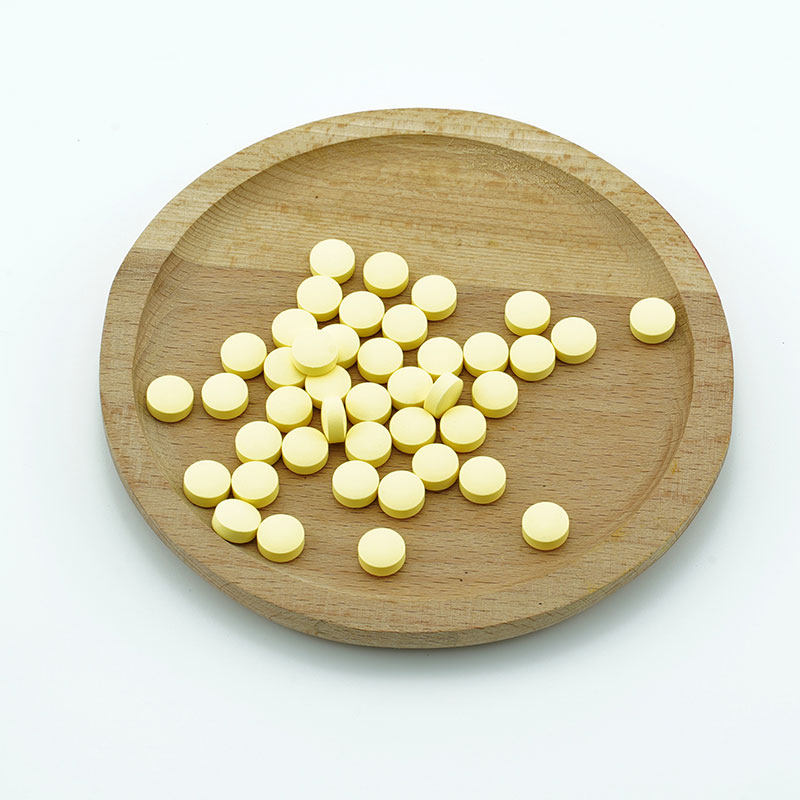
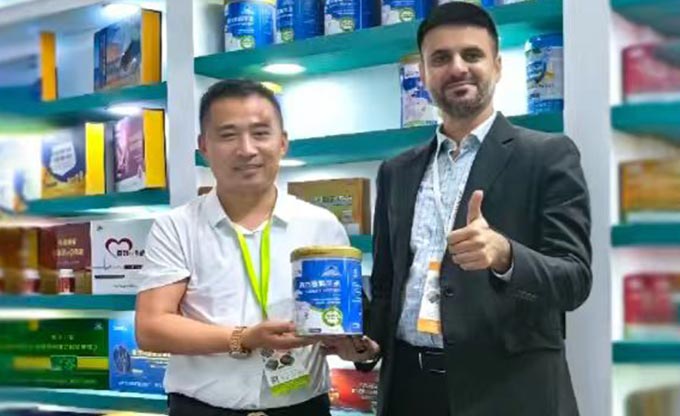
Choisir le bon fabricant de suppléments est l'une des décisions les plus importantes que vous prendrez lors de la construction d'une marque nutritionnelle réussie. Cela affecte tout, de la qualité et de la conformité des produits à l'évolutivité, à la confiance des clients et à la rentabilité à long terme.
De nombreuses nouvelles marques se concentrent trop sur les formules et les emballages, mais la vérité est simple : même la meilleure idée de produit peut échouer si le fabricant de suppléments derrière lui n'est pas fiable. Dans ce guide, vous apprendrez à évaluer, comparer et sélectionner le bon partenaire en toute confiance.
Table des matières
Pourquoi votre Fabricant de supplément compte plus que vous ne le pensez
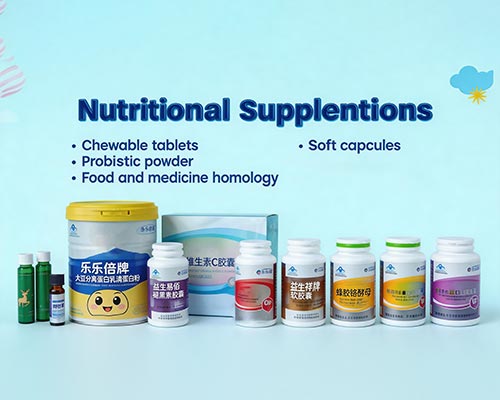
Un fabricant de suppléments n'est pas seulement une installation de production. C'est le fondement de l'ensemble de votre écosystème de produits.
Un fabricant fort assure :
- Cohérence des produits entre lots
- Sécurité et traçabilité des ingrédients
- Conformité réglementaire et documentation
- Chaîne d'approvisionnement et délais de production stables
- Croissance évolutive lorsque la demande augmente
Cadres de qualité de l'industrie tels que les BPF (Bonne pratique de fabrication) et les systèmes basés sur l'ISO soulignent que le contrôle de la fabrication est directement lié à la sécurité des produits et à la crédibilité de la marque. C'est pourquoi les marques expérimentées considèrent la sélection des fabricants comme une décision stratégique plutôt qu'une simple étape d'approvisionnement.
Principaux critères d'évaluation d'un fabricant de suppléments
Lorsque vous comparez les options, vous avez besoin d'une approche structurée. Vous trouverez ci-dessous une ventilation pratique de ce que vous devez évaluer lors de la sélection d'un fabricant de suppléments.
| Domaine d'évaluation | Que rechercher | Pourquoi c'est important |
|---|---|---|
| attestations | GMP, HACCP, ISO, BRC | Assure la sécurité et la conformité |
| Capacité de R&D | Équipe de formulation en interne | Soutient l'innovation de produits |
| Gamme de production | Capsules, comprimés, poudres, gélifiés, liquides | Permet la diversification des produits |
| contrôle de qualité | Système de test en plusieurs étapes | Réduit la contamination et les défauts |
| Flexibilité MOQ | Options de petits et grands lots | Prend en charge les startups et la mise à l'échelle |
| Transparence de la chaîne d' | Traçabilité des matières premières | Instaure la confiance et la fiabilité |
| communication | Réponse rapide et support technique | Améliore l'efficacité du développement |
Ce cadre vous aide à évaluer un fabricant de suppléments au-delà des revendications marketing et à vous concentrer sur la capacité opérationnelle réelle.
Étape 1 : Vérifier les certifications et les systèmes de conformité
La première étape et la plus critique est la vérification des certifications.
Un fabricant de suppléments professionnel doit fonctionner sous des systèmes de qualité internationalement reconnus tels que les normes GMP, HACCP et ISO. Ces systèmes sont conçus pour assurer une sécurité de production, un contrôle d'hygiène et une traçabilité cohérentes.
Selon les conclusions générales des rapports mondiaux sur la sécurité alimentaire et les suppléments, les fabricants avec des systèmes certifiés présentent des taux d'écart de produit nettement inférieurs et une cohérence des lots plus élevée par rapport aux installations non certifiées.
Cependant, les certifications ne suffisent pas à elles seules. Vous devez également vérifier si le fabricant applique activement ces systèmes dans la production quotidienne, et non pas seulement les certificats.
Étape 2 : Évaluer la capacité de R&D et de formulation
Un fabricant de suppléments puissants ne doit pas seulement produire des produits, mais également soutenir l'innovation.
Vous devriez demander :
- Ont-ils une équipe interne de R&D ?
- Peuvent-ils développer des formulations personnalisées ?
- Proposent-ils des suggestions d'optimisation des ingrédients ?
- Peuvent-ils supporter les tests de stabilité et les ajustements ?
Un fabricant doté d'une forte capacité de R&D peut vous aider à réduire le temps de développement et à éviter les erreurs de formulation coûteuses.
Par exemple, l'ajustement des combinaisons d'ingrédients peut considérablement améliorer la biodisponibilité ou réduire les problèmes de goût sans modifier le concept de produit.
Étape 3 : Vérifiez les capacités de production et les formulaires de dosage
Les marques de suppléments modernes exigent une flexibilité dans les formats de produits.
Un fabricant de suppléments fiable devrait pouvoir produire plusieurs formes posologiques telles que :
- Capsules (dures et douces)
- comprimés
- poudres
- gommes
- Suppléments liquides
- Granulés et boissons fonctionnelles
Cette flexibilité vous permet d'élargir votre gamme de produits sans changer de fournisseur.
Les fabricants disposant de capacités de production limitées peuvent restreindre la croissance de votre marque à long terme, en particulier lorsque la demande du marché se tourne vers de nouveaux formats de supplément.
Étape 4 : Comprendre les systèmes de contrôle de la qualité
Le contrôle de la qualité est celui où de nombreux fabricants diffèrent considérablement.
Un fabricant de suppléments professionnel met généralement en œuvre des tests multicouches, notamment :
- Inspection des matières premières avant la production
- Surveillance de la qualité en cours
- Tests de laboratoire de produits finis
- Test de stabilité et de durée de conservation
- Analyse microbiologique et métal lourd
Ces étapes garantissent la sécurité et la cohérence des produits dans chaque lot.
Du point de vue de l'industrie, le contrôle de la qualité n'est pas facultatif, c'est l'épine dorsale de la conformité réglementaire et de la réputation de la marque.
Étape 5 : Évaluer la transparence de la chaîne d'approvisionnement
Une chaîne d'approvisionnement transparente est un indicateur clé d'un fabricant de suppléments dignes de confiance.
Vous devriez pouvoir comprendre :
- d'où viennent les matières premières
- Comment les ingrédients sont testés avant la production
- Comment les lots sont suivis et enregistrés
- Comment les systèmes de rappel sont gérés en cas de problème
Un système transparent réduit les risques et renforce la confiance à long terme entre les propriétaires de marques et les fabricants.
Étape 6 : Comparez la flexibilité et l'évolutivité
Votre entreprise va probablement croître avec le temps, donc l'évolutivité est importante.
Un bon fabricant de suppléments devrait prendre en charge :
- Production pilote en petit lot
- Tests de marché à moyenne échelle
- Production de masse à grande échelle
- Ajustements MOQ flexibles
- Extension rapide de la capacité en cas de besoin
Sans évolutivité, les marques sont souvent confrontées à des goulots d'étranglement qui limitent les opportunités de croissance.
Étape 7 : Communication et assistance technique
De nombreuses marques sous-estiment la qualité de la communication lors du choix d'un fabricant de suppléments.
Un temps de réponse rapide, une clarté technique et des suggestions proactives peuvent améliorer considérablement l'efficacité du développement de produits.
Par exemple, un bon fabricant peut suggérer :
- Alternatives d'ingrédients plus
- Optimisation des coûts sans perte de qualité
- Systèmes de livraison de formulations amélioré
- Améliorations des emballages pour la stabilité des rayons
Ce type de soutien est souvent ce qui sépare les fournisseurs moyens des partenaires stratégiques.
Erreurs courantes lors du choix d'un fabricant de suppléments
Même les entrepreneurs expérimentés commettent des erreurs évitables comme :
- Choisir uniquement en fonction du prix
- Ignorer la vérification de la certification
- Oublier la capacité de R&D
- Ne pas tester les lots d'échantillons
- Ne pas planifier l'échelle
Éviter ces erreurs peut réduire considérablement les risques à long terme et améliorer les taux de réussite des produits.
Insight-monde : Pourquoi le choix du fabricant a un impact sur la croissance de la marque
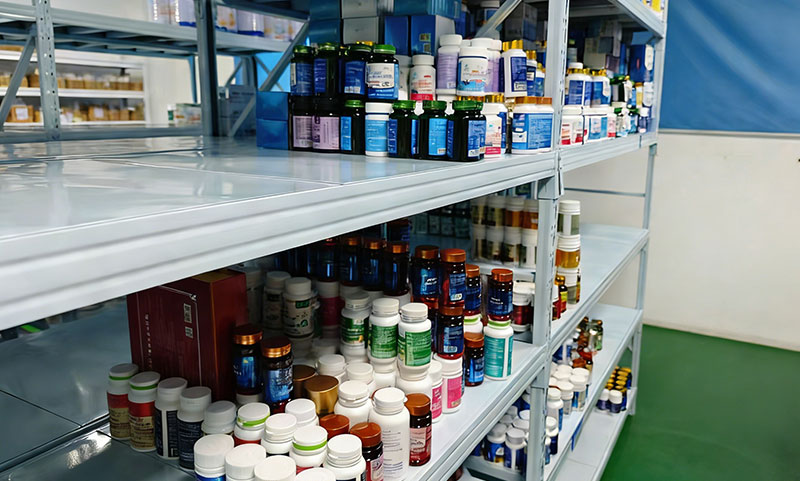
Dans de nombreux cas réels de développement de produits, les marques qui ont commencé avec des fabricants de mauvaise qualité sont souvent confrontées :
- Qualité de lot incohérente
- Délais de production retardés
- Taux de retour de produits élevés
- Difficulté à s'étendre sur de nouveaux marchés
D'un autre côté, les marques qui privilégient les partenariats de fabrication solides ont tendance à évoluer plus rapidement, à maintenir une meilleure satisfaction des clients et à élargir les gammes de produits plus efficacement.
Cela met en évidence une simple vérité : votre fabricant de suppléments n'est pas seulement un fournisseur, mais un partenaire de croissance à long terme.
conclusion
Choisir le bon fabricant de suppléments exige plus que la comparaison des prix. Il nécessite une évaluation structurée des certifications, des capacités de R&D, de la flexibilité de production, des systèmes de contrôle de la qualité et de l'évolutivité à long terme.
Lorsque vous adoptez une approche stratégique, vous réduisez les risques et augmentez vos chances de créer une marque de suppléments durables et compétitives.
Un partenaire de fabrication fort non seulement fabriquera vos produits, mais vous aidera également à les améliorer au fil du temps.
FAQ
Quel est le facteur le plus important lors du choix d'un Fabricant de supplément?
Les certifications et les systèmes de contrôle de la qualité sont les facteurs les plus critiques car ils assurent la sécurité et la conformité des produits.
Pourquoi la capacité de R&D est-elle importante dans un fabricant de suppléments ?
Il permet l'innovation de produits, l'optimisation de la formulation et des cycles de développement plus rapides.
Les petites marques peuvent-elles travailler avec de gros fabricants de suppléments ?
Oui, de nombreux fabricants proposent des options MOQ flexibles pour les startups et les marques en pleine croissance.
Comment vérifier si un fabricant de suppléments est fiable ?
Vérifiez les certifications, demandez des exemples de lots et évaluez leur communication et leur transparence.
Tous les fabricants de suppléments offrent-ils des formes posologiques multiples ?
pas tout. Les fabricants avancés proposent généralement des capsules, des comprimés, des poudres, des gommes et des formats liquides.
Besoin d'aide pour choisir le bon fabricant de suppléments ?
Si vous ne savez pas comment sélectionner un fabricant de suppléments fiable pour votre marque, nos experts de Shandong Keju Pharmaceutical Co., Ltd sont là pour vous aider. Contactez-nous aujourd'hui Pour une consultation personnalisée et obtenir des conseils professionnels sur la formulation, la production, le contrôle de la qualité et la mise à l'échelle de votre entreprise de suppléments. N'attendez pas pour construire votre marque de la bonne manière. Contactez-nous dès maintenant et commencez votre voyage en toute confiance !