


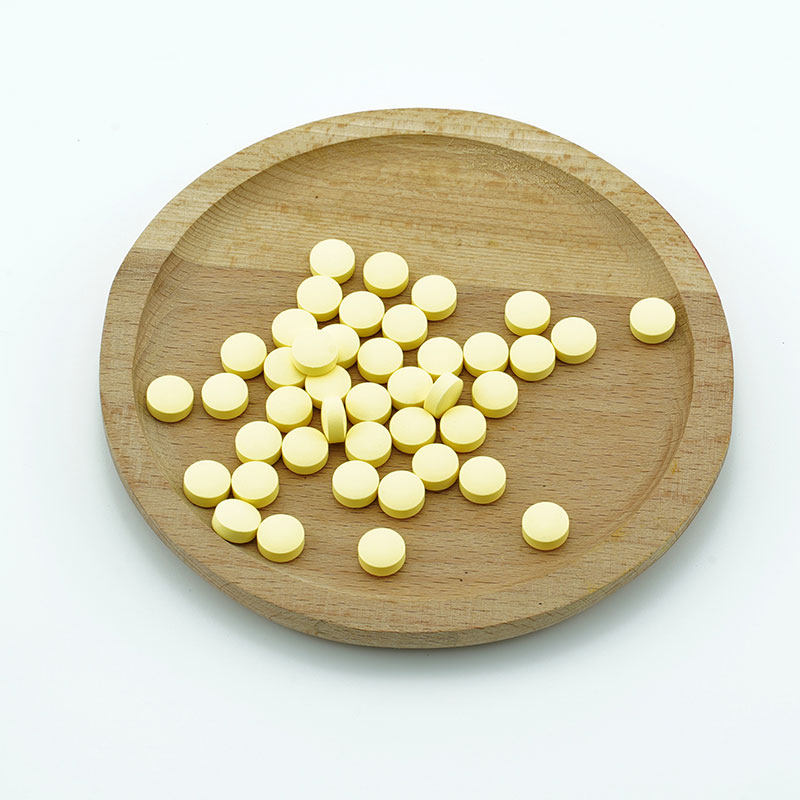
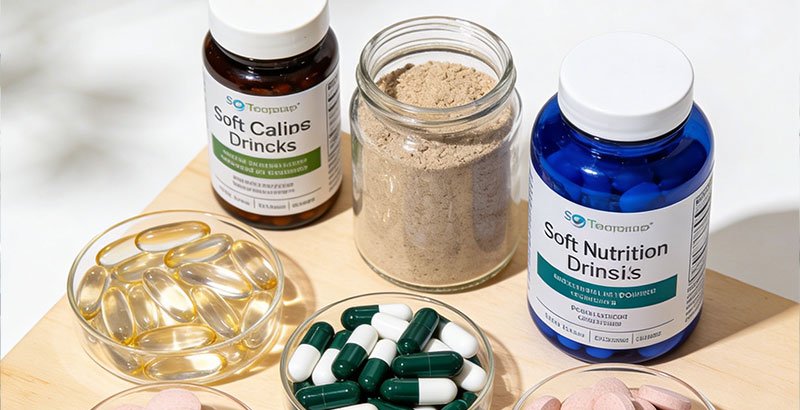
Si vous envisagez de lancer une marque de suppléments, l'une des premières et les plus importantes questions à laquelle vous serez confronté est de savoir combien coûte la fabrication de suppléments. La réponse n'est pas simple car la production de suppléments n'est pas un service à prix fixe. Cela dépend de la complexité de la formulation, de la forme posologique, des ingrédients, de l'emballage, des exigences de test et de l'échelle de fabrication.
Dans ce guide, nous allons décomposer la structure de coûts réelle derrière les suppléments de fabrication afin que vous puissiez comprendre où va votre argent, comment les prix sont déterminés et comment prendre des décisions plus intelligentes lors de la construction de votre gamme de produits.
Table des matières
comprendre ce que “Fabriquer des suppléments” comprend vraiment

Avant d'examiner les facteurs de coût, il est important de comprendre ce que le processus de fabrication des suppléments implique réellement.
Lorsque vous fabriquez des suppléments, vous ne payez pas seulement pour la production. Vous payez pour un système complet qui comprend :
- Formulation ou sélection du produit
- Approvisionnement et vérification des matières premières
- Mélange, encapsulation ou tablette
- Contrôle de la qualité et tests en laboratoire
- Emballage et étiquetage
- Documentation de conformité
- Suivi des lots et préparation logistique
Selon les cadres de processus de fabrication de l'industrie référencés dans les directives GMP (Good Manufacturing Practice), chaque étape contribue à la fois au coût et à la sécurité des produits. C'est pourquoi la tarification est toujours multicouche plutôt qu'un seul élément.
Facteurs clés qui influencent le coût de fabrication des suppléments
Lorsque les marques essaient d'estimer le coût, elles se concentrent souvent uniquement sur les ingrédients. En réalité, le coût des ingrédients n'est qu'une partie de l'équation.
Voici les principaux facteurs qui influencent le coût de fabrication des suppléments :
1. Complexité des ingrédients
Les formules simples avec un ou deux ingrédients actifs sont plus faciles et plus rentables à produire. Les mélanges complexes avec plusieurs composés actifs nécessitent davantage de tests, de validation de stabilité et de contrôles de fabrication précis.
Par exemple, une formule de base de vitamines est beaucoup plus simple à fabriquer qu'un mélange multifonctionnel alliant plantes, acides aminés et extraits spécialisés.
2. Sélection du formulaire de dosage
Le format de votre produit a un impact direct sur la complexité de la production.
| FORMULAIRE DE DOSE | Complexité de fabrication | Exigences de production | Influence typique des coûts |
|---|---|---|---|
| comprimés | Faible à moyen | Compression et revêtement | baisser |
| capsules | moyen | Processus d'encapsulation | modérer |
| gélules | flagrant | Remplissage et étanchéité à l'huile | supérieur |
| poudres | faible | Mélange et mélange | inférieur à modéré |
| gommes | flagrant | Chauffage, moulage, contrôle de stabilité | supérieur |
| liquides | Moyenne à Élevée | Traitement et conservation stériles | modéré à supérieur |
Différentes formes de dosage nécessitent des machines, des temps de production et des tests de stabilité différents, qui affectent tous la façon dont vous fabriquez des suppléments à grande échelle.
3. Qualité des matières premières
L'approvisionnement en matières premières joue un rôle majeur dans la structure des coûts.
Les ingrédients de plus grande pureté, les extraits standardisés et les composés étudiés cliniquement nécessitent des contrôles et des procédures de test plus stricts. Les fabricants doivent vérifier leur identité, leur pureté et leur sécurité avant le début de la production.
Les cadres de qualité de l'industrie tels que HACCP et les systèmes basés sur l'ISO soulignent que la vérification des matières premières est l'une des étapes les plus importantes de la fabrication des suppléments.
4. Exigences d'emballage et de marque
L'emballage est souvent sous-estimé mais joue un rôle important dans le coût global de fabrication.
Les éléments clés de l'emballage comprennent :
- Sélection de bouteilles ou de pochettes
- Conception et impression d'étiquettes
- Protection contre les scellements et les inviolabilités
- Emballage secondaire (boîtes, inserts)
Les emballages premium augmentent la confiance des consommateurs, mais nécessitent également plus de matériaux et d'étapes de production.
5. Tests et conformité
Pour fabriquer des suppléments en toute sécurité et légalement, les produits doivent passer par plusieurs étapes de test :
- Tests microbiologiques
- Criblage de métaux lourds
- Essais de stabilité
- Vérification des ingrédients
- Test final de la libération du lot
Selon les normes générales d'assurance qualité de l'industrie, les tests peuvent représenter une part significative du coût de production, en particulier pour les produits ciblant les catégories de santé sensibles.
6. Volume des commandes et échelle de production
L'un des principaux facteurs de coût est l'échelle de production.
La fabrication suit un principe de base : les volumes de production plus importants réduisent le coût unitaire car les coûts fixes d'installation sont répartis entre plusieurs unités.
La production de petits lots nécessite une configuration, un nettoyage et un étalonnage fréquents de la machine, ce qui augmente le coût unitaire. Les lots plus importants améliorent l'efficacité et réduisent les déchets.
Répartition réaliste des coûts de la structure (vue de l'industrie)
Pour vous aider à comprendre comment les coûts sont généralement distribués lors de la fabrication de suppléments, voici une ventilation simplifiée basée sur les modèles de fabrication de l'industrie :
| Composante de coût | Ce qu'il couvre | Niveau d'impact |
|---|---|---|
| matières premières | Principes actifs et excipients | flagrant |
| processus de fabrication | Mélange, encapsulation, compression | flagrant |
| Test de qualité | Analyse et vérification des laboratoires | Moyenne à Élevée |
| conditionnement | Bouteilles, étiquettes, matériaux de conception | moyen |
| conformité | Documentation et certifications | moyen |
| Préparation logistique | Stockage et traitement des lots | Faible à moyen |
Cette ventilation montre que la fabrication de suppléments est un système multicouche où aucun facteur unique ne détermine le coût final.
Caches cachés De nombreuses nouvelles marques négligent
Lorsque les marques tentent de fabriquer des suppléments pour la première fois, elles négligent souvent plusieurs coûts indirects qui peuvent affecter de manière significative les budgets :
- Ajustements de stabilité de formule après test
- Refonte des emballages en raison des mises à jour de conformité
- Répétez les tests pour l'alignement réglementaire
- Itérations d'échantillonnage avant l'approbation finale
- Validation de stockage et de conservation
Ce ne sont pas des étapes facultatives. Ils font partie de la sécurité des produits et de leur autonomie sur le marché.
Comment optimiser votre budget de fabrication

Si vous souhaitez fabriquer des suppléments efficacement sans compromettre la qualité, voici des stratégies pratiques :
1. Commencez avec une formule ciblée
Évitez les mélanges trop compliqués à un stade précoce.
2. Choisissez la bonne forme posologique
Faites correspondre votre type de produit avec l'efficacité de la production.
3. Normaliser les emballages tôt
Les changements fréquents d'emballages augmentent considérablement le coût.
4. Valider la demande avant de mettre à l'échelle
Commencez par des lots plus petits et à l'échelle en fonction des données de ventes réelles.
5. Travailler avec des fabricants expérimentés
Les partenaires expérimentés réduisent les coûts d'essai et d'erreur et accélèrent la production.
Pourquoi la stratégie de fabrication compte plus que le coût
De nombreuses nouvelles marques se concentrent uniquement sur la réduction des coûts lorsqu'elles fabriquent des suppléments. Cependant, l'optimisation des coûts ne doit jamais se faire au détriment de la qualité, de la conformité ou du positionnement de la marque.
Dans l'industrie des suppléments, la confiance des produits est tout. Un produit mal fabriqué peut économiser de l'argent à court terme, mais nuire à la réputation à long terme de la marque.
Les marques les plus performantes considèrent la fabrication comme un investissement stratégique plutôt qu'une simple dépense.
conclusion
Le coût de Fabriquer des suppléments Dépend de plusieurs facteurs interconnectés, notamment la complexité de la formulation, la forme posologique, les matières premières, l'emballage, les tests et l'échelle de production.
Au lieu de rechercher un seul nombre fixe, il est plus efficace de comprendre la structure derrière les coûts de fabrication. Cela vous permet de prendre des décisions éclairées, d'optimiser votre stratégie produit et de créer une marque de suppléments durables.
Lorsque vous approchez la fabrication avec clarté et réflexion à long terme, vous contrôlez non seulement les coûts plus efficacement, mais augmentez également vos chances de créer un produit compétitif sur le marché.
FAQ
Quel est le facteur le plus important affectant le coût de fabrication des suppléments ?
Les facteurs les plus importants sont la complexité des ingrédients, la forme posologique et l'échelle de production.
La fabrication de suppléments coûte-t-elle cher pour les nouvelles marques ?
Cela dépend de la formulation et de la taille de la commande, mais les coûts peuvent être optimisés grâce à la planification des produits intelligents et à la mise à l'échelle des lots.
Pourquoi les différents types de suppléments coûtent-ils différemment la fabrication ?
Chaque forme posologique nécessite des machines, des temps de production et des processus de test de qualité différents.
Peut-on fabriquer de petits lots de suppléments ?
Oui, de nombreux fabricants prennent en charge la production de petits lots pour les tests sur le marché et la validation des produits.
Comment réduire les coûts de fabrication des suppléments ?
Vous pouvez réduire les coûts en simplifiant les formules, en optimisant les emballages et en évoluant progressivement en fonction de la demande.
Besoin d'aide pour comprendre le coût de fabrication des suppléments ?
Si vous ne savez pas comment planifier, budgétiser ou optimiser le processus de fabrication de suppléments pour votre marque, nos experts de Shandong Keju Pharmaceutical Co., Ltd sont là pour vous aider. Contactez-nous aujourd'hui Pour une consultation personnalisée et apprenez à créer des produits de haute qualité avec une stratégie de fabrication rentable. N'attendez pas pour prendre la bonne décision. Contactez-nous dès maintenant et lancez votre marque de suppléments en toute confiance !