


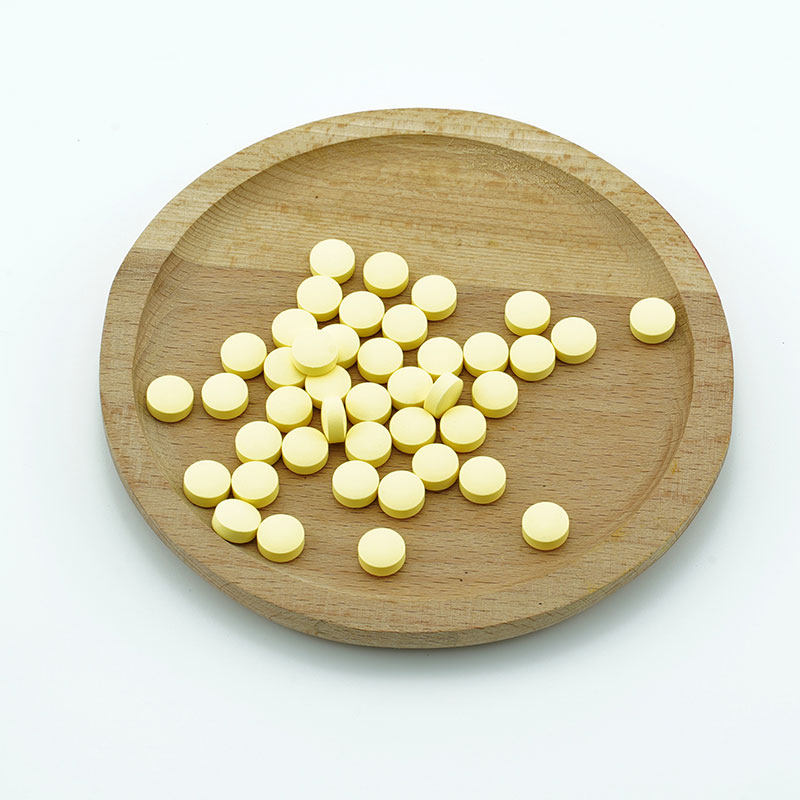

Pendant des années, les suppléments de comprimés ont été considérés comme l'option la plus traditionnelle dans l'industrie de la nutrition. Ils étaient pratiques, rentables, faciles à emballer et largement acceptés par les consommateurs. Mais le marché des suppléments modernes a changé. Les acheteurs accordent plus d'attention à la transparence des ingrédients, à l'efficacité d'absorption, aux formulations d'étiquettes propres et à l'expérience utilisateur que jamais auparavant.
Ce changement oblige la fabrication de tablettes à évoluer.
Aujourd'hui, les marques de suppléments qui réussissent ne demandent plus seulement si une tablette peut être produite. Ils posent des questions plus profondes :
- Le comprimé va-t-il se dissoudre correctement ?
- Peut-il gérer les ingrédients sensibles à l'humidité ?
- La formule reste-t-elle stable dans le temps ?
- Les consommateurs finiront-ils réellement la bouteille ?
- Le processus de fabrication peut-il prendre en charge l'expansion future du produit ?
Si vous développez une ligne de suppléments ou recherchez un partenaire de fabrication, la compréhension du fonctionnement de la fabrication de tablettes modernes peut vous aider à éviter les échecs de formulation, les problèmes de chaîne d'approvisionnement et les problèmes de qualité des produits qui apparaissent souvent après le lancement.
Ce guide explore comment Fabrication de tablettes a changé, à quoi les consommateurs s'attendent maintenant et à quels suppléments de marques sérieuses devraient prêter attention avant de faire évoluer la production.
Table des matières
Pourquoi les tablettes dominent toujours l'industrie des suppléments

Malgré la croissance rapide des gommes, des poudres et des suppléments liquides, les comprimés continuent de détenir une part importante du marché des compléments alimentaires.
Il y a plusieurs raisons à cela :
- Les tablettes prennent en charge le dosage précis
- Ils sont très stables pendant le stockage
- Ils fonctionnent bien pour une production à grande échelle
- Ils peuvent contenir des mélanges d'ingrédients complexes
- Ils offrent des performances de longue durée de conservation
selon le Directive américaine sur les aliments et les médicaments, la cohérence et le contrôle de la fabrication restent essentiels pour la qualité des suppléments. Les comprimés sont toujours l'une des formes posologiques les plus faciles à normaliser lorsque des systèmes de production appropriés sont utilisés.
Ce qui a changé, ce n'est pas la pertinence des tablettes, ce sont les attentes qui les entourent.
Les consommateurs modernes s'attendent à ce que les comprimés soient plus faciles à avaler, plus propres dans leur formulation et plus efficaces dans la livraison de nutriments.
La fabrication de tablettes n'est plus seulement une compression
Beaucoup de gens supposent que la fabrication de tablettes presse simplement la poudre en forme. En réalité, la production de tablettes modernes est un processus hautement conçu impliquant la science de la formulation, le comportement des matériaux, le contrôle environnemental et la gestion de la stabilité.
Une tablette de haute qualité doit équilibrer plusieurs facteurs techniques simultanément :
- difficulté
- taux de dissolution
- Résistance à l'humidité
- Compatibilité des ingrédients
- Performances de revêtement
- Stabilité de compression
- Durabilité du stockage
Si l'une de ces variables est mal contrôlée, le produit final peut échouer lors du transport, du stockage ou de l'utilisation du consommateur.
C'est pourquoi les fabricants expérimentés passent beaucoup de temps à évaluer les propriétés de flux d'ingrédients, la distribution de la taille des particules et les conditions environnementales avant même que la production complète ne commence.
Vous pouvez explorer ici les solutions de production de tablettes professionnelles :
Services de fabrication de tablettes
La science cachée derrière les performances de la tablette
L'une des raisons pour lesquelles la fabrication de tablettes reçoit une attention croissante en ligne est que de nombreuses marques de suppléments rencontrent des problèmes de qualité après avoir mis à l'échelle la production.
Ces problèmes sont souvent invisibles au cours du développement précoce des produits.
Les exemples courants incluent :
| Problème de fabrication | Ce qui se passe en utilisation réelle |
|---|---|
| Mauvais flux de poudre | Poids incohérent de la tablette |
| faible compression | Les comprimés se fissurent pendant le transport |
| Dureté excessive | Dissolution lente et mauvaise absorption |
| Instabilité de l'humidité | Dégradation des ingrédients |
| Défaillance du revêtement | Les tablettes collent ensemble |
| Granulation inappropriée | Distribution inégale des ingrédients |
C'est pourquoi la fabrication avancée de tablettes dépend fortement de l'ingénierie des processus plutôt que de la simple machinerie.
Des organisations comme la Organisation mondiale de la santé Bonnes pratiques de fabrication Ressources Continuer à mettre l'accent sur la validation des processus et la surveillance environnementale en tant que parties essentielles de la production pharmaceutique et des suppléments.
Pourquoi les consommateurs accordent à nouveau une attention particulière aux tablettes
Au cours des dernières années, le comportement des consommateurs autour des suppléments a considérablement changé.
Au lieu d'acheter des produits génériques, les gens évaluent de plus en plus :
- Transparence des ingrédients
- Normes de fabrication
- Fiabilité du dosage
- Biodisponibilité
- durabilité
- commodité
Cette tendance a poussé les fabricants de tablettes à améliorer la qualité des produits dans plusieurs domaines.
Tablettes plus petites et plus faciles à avaler
Les grandes tablettes restent l'une des plus grandes plaintes parmi les utilisateurs de suppléments. Les fabricants passent désormais plus de temps à optimiser la forme, le revêtement et la densité pour améliorer le confort de déglutition.
Étiquettes de nettoyage
Les consommateurs évitent de plus en plus les additifs inutiles, les revêtements artificiels et les charges excessives. Tablette Manufacturing se concentre désormais davantage sur des formulations simplifiées.
Meilleure technologie de dissolution
Un comprimé qui ne parvient pas à se dissoudre correctement peut réduire l'absorption des nutriments. Les tests de dissolution sont devenus plus importants pour la conformité réglementaire et la confiance des consommateurs.
L'essor des formulations spécialisées en comprimés
Une autre fabrication de tablettes façonnante de tendances majeures est la spécialisation.
Au lieu de produire des multivitamines à usage général, de nombreuses marques développent des formulations très ciblées conçues autour d’objectifs spécifiques tels que :
- Soutien cognitif
- Récupération sportive
- assistance au sommeil
- Vieillissement sain
- intestin
- fonction immunitaire
Cela crée de nouveaux défis de fabrication, car les ingrédients spécialisés se comportent souvent différemment lors de la compression.
Certains extraits botaniques absorbent rapidement l'humidité. Certains minéraux créent des difficultés de compression. Les systèmes probiotiques peuvent nécessiter des contrôles environnementaux spéciaux.
En conséquence, l'expertise en fabrication compte désormais plus que jamais.
Compression directe vs granulation : pourquoi la différence est importante
Un sujet qui est rarement discuté en dehors des environnements de fabrication est la façon dont les tablettes sont réellement formées.
La plupart des productions de tablettes utilisent l'une des deux méthodes suivantes :
compression directe
Ce processus comprime la poudre mélangée directement dans les comprimés.
Avantages :
- Production plus rapide
- Moins d'étapes de traitement
- Réduction de l'exposition à l
Défis :
- Nécessite un flux d'ingrédi
- Ne convient pas à toutes les formulations
granulation
La granulation améliore le flux de poudre et la stabilité avant la compression.
Avantages :
- Meilleure distribution des ingrédients
- Amélioration de la cohé
- Structure de tablette plus solide
Défis :
- Plus de complexité de traitement
- Contrôles environnementaux supplémentaires requis
La bonne approche dépend entièrement du comportement des ingrédients et des objectifs du produit.
Pourquoi la technologie de revêtement est devenue plus importante
Le revêtement de tablette était principalement cosmétique. Ce n'est plus vrai.
Les revêtements modernes ont plusieurs objectifs techniques :
- Protéger les ingrédients sensibles de l'oxygène
- Réduire l'exposition à l'
- Améliorer la capacité de dé
- masquer le goût ou l'odeur désagréable
- Améliorer la stabilité pendant le stockage
Certains revêtements sont également conçus pour contrôler le moment de la libération, aidant les nutriments à se dissoudre progressivement plutôt qu'immédiatement.
L'accent mis davantage sur l'expérience des consommateurs a fait de la qualité des revêtements un facteur de classement beaucoup plus important pour les examens de suppléments et les achats répétés.
La durabilité est de remodeler la fabrication de tablettes
Les discussions sur la durabilité influencent désormais les décisions de production de suppléments dans l'ensemble de l'industrie.
Les consommateurs veulent de plus en plus :
- Approvisionnement plus simple des ingrédients
- Réduction des déchets d'emballage
- Pratiques de fabrication plus propres
- Chaînes d'approvisionnement transparentes
Cela pousse les fabricants à moderniser les installations et à réduire les déchets de production inutiles.
Les organisations industrielles telles que le Organisation internationale de normalisation (ISO) Continuer à promouvoir la cohérence de la fabrication et les normes de qualité opérationnelle dans les industries réglementées.
Ce que les marques de suppléments intelligents recherchent chez un fabricant de tablettes
De nombreuses startups de complément se concentrent uniquement sur les quantités minimales de commande ou la vitesse de production. Les marques établies évaluent généralement différemment les fabricants.
Voici plusieurs domaines de suppléments expérimentés dont les sociétés de suppléments sont prioritaires.
Assistance technique de formulation
Un fabricant fort doit comprendre comment les ingrédients se comportent dans des conditions de compression.
Évaluation de la stabilité
Les tests doivent évaluer :
- Sensibilité à la chaleur
- Exposition à l'humidité
- Stabilité à long terme
Documentation de qualité
Les fabricants doivent conserver des dossiers de production détaillés et des systèmes de traçabilité.
Systèmes de production évolutifs
Les marques croissent souvent plus rapidement que prévu. Les systèmes de fabrication doivent prendre en charge la mise à l'échelle à long terme sans sacrifier la cohérence.
Options de formulaires de dosage flexibles
De nombreuses marques de suppléments à succès finissent par se développer :
- capsules
- gélules
- poudres
- gommes
- Boissons fonctionnelles
Solutions de fabrication connexes :
Pourquoi la fabrication de tablettes continuera d'évoluer
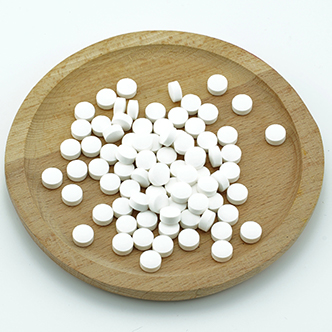
L'industrie des suppléments devient de plus en plus technique chaque année.
Les consommateurs ne sont plus satisfaits des formules génériques et de la qualité de production de base. Ils s'attendent de plus en plus à des suppléments pour se combiner
- Formulation scientifique
- Fabrication fiable
- Systèmes de livraison pratiques
- Sourcing transparent
- Performances stables à long terme
La fabrication de tablettes est directement au centre de ces attentes.
Les marques qui réussissent à long terme sont généralement celles qui traitent la fabrication comme faisant partie du développement de produits, et non simplement une étape de production.
Réflexions finales
La fabrication de tablettes est devenue discrètement l'un des facteurs de concurrence les plus importants dans l'industrie des suppléments.
Un comprimé bien conçu peut améliorer la stabilité, l'expérience du consommateur, la protection des ingrédients et la cohérence des produits à long terme. Un mal conçu peut créer des plaintes de clients, des problèmes d'absorption et des problèmes de chaîne d'approvisionnement qui nuisent à la crédibilité de la marque au fil du temps.
Pour les marques de suppléments, la compréhension du processus de fabrication n'est plus facultative. Cela fait partie de la construction de produits auxquels les consommateurs ont confiance et continuent d'acheter.
L'avenir de la fabrication de tablettes se concentrera probablement encore plus sur des formulations plus propres, des systèmes de livraison avancés et une précision de production. Les marques qui s'adaptent tôt auront une position beaucoup plus forte à mesure que le marché évolue.
FAQ
Qu'est-ce que Fabrication de tablettes en suppléments ?
La fabrication de comprimés est le processus de compression des ingrédients nutritionnels sous forme de comprimés solides à l'aide de systèmes de production contrôlés.
Pourquoi les comprimés sont-ils populaires dans les suppléments ?
Ils offrent une précision de dosage, une longue durée de conservation, une efficacité de production et un emballage pratique.
Qu'est-ce qui affecte le plus la qualité des tablettes ?
Le contrôle de la compression, le débit des ingrédients, la stabilité de l'humidité et les performances de dissolution sont des facteurs majeurs.
Pourquoi certains comprimés se dissolvent-ils mal ?
Un équilibre de formulation inapproprié, une dureté excessive ou des problèmes de revêtement peuvent ralentir la dissolution.
Les comprimés enduits sont-ils meilleurs ?
Les revêtements peuvent améliorer la stabilité, la capacité d'avaler et la protection des ingrédients pendant le stockage.
Que doivent rechercher les marques chez un fabricant de tablettes ?
L'expertise technique, les systèmes de qualité, les tests de stabilité et les capacités de production évolutives sont tous importants.
La fabrication de tablettes peut-elle prendre en charge des formules complexes ?
Oui, mais les formules complexes nécessitent souvent des systèmes de contrôle de granulation, de mélange et de compression avancés.