

Table of Contents
Introduction
People searching for Pure Encapsulations fish oil are often looking for clear information about fish oil composition, EPA and DHA content, softgel structure, ingredient documentation, testing methods, storage conditions, and manufacturing quality.
Pure Encapsulations is an independent brand name rather than a general fish oil category. This article is provided for educational and formulation-reference purposes only. It does not suggest any affiliation, authorization, product equivalence, or manufacturing relationship with that brand.
A reliable fish oil softgel should be evaluated as a complete delivery system. The oil, EPA and DHA specification, shell material, antioxidant system, encapsulation process, drying conditions, testing plan, and packaging must remain compatible throughout the intended storage period.
For customized oil-based products, Keju Health’s softgel manufacturing services include formulation review, softgel development, filling, shell customization, process inspection, and packaging integration.
Why Pure Encapsulations Fish Oil Is a Specific Search Term
Pure Encapsulations fish oil contains a registered brand reference. It should therefore be distinguished from broad phrases such as fish oil softgels, omega-3 capsules, or custom fish oil formulation.
A person using this search term may be examining an existing formula or trying to understand how professionally manufactured fish oil softgels are assessed. The most useful content should explain measurable quality factors rather than repeat promotional descriptions.
Relevant evaluation questions include:
- How much EPA and DHA does the formula contain?
- Is the amount stated per softgel or per serving?
- What type of fish oil ingredient is used?
- How is the raw material identified?
- Which oxidation indicators are monitored?
- How is the oil handled before encapsulation?
- How is the softgel shell tested?
- What packaging protects the finished softgel?
- How is batch consistency documented?
These questions provide a stronger basis for comparison than appearance, capsule color, or general quality wording.
Understanding Fish Oil Softgels
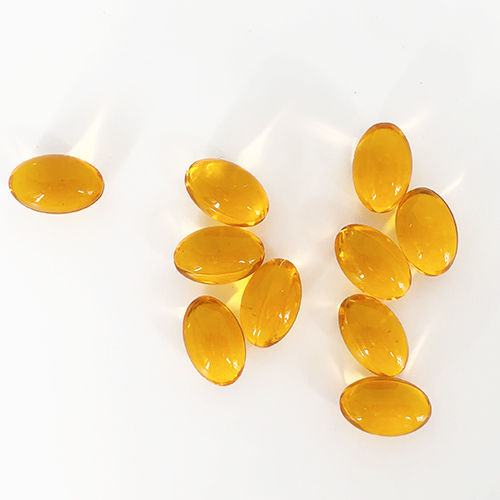
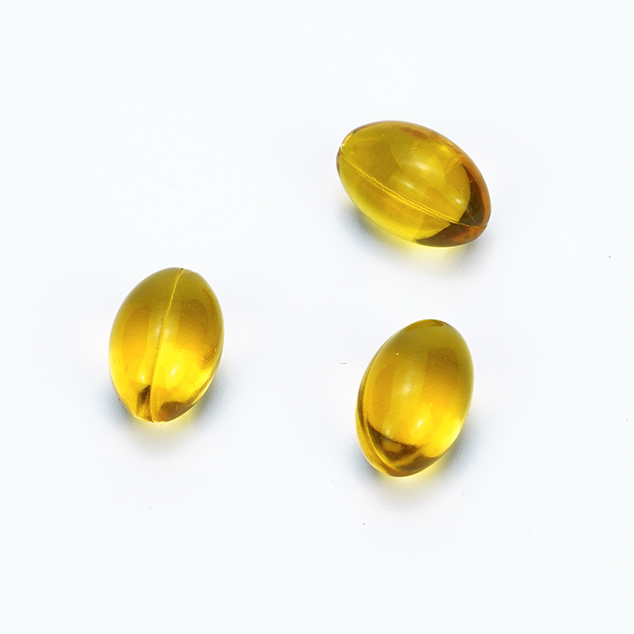
A fish oil softgel is a one-piece capsule containing a measured quantity of oil. The shell is formed, filled, and sealed during one coordinated manufacturing process.
Unlike two-piece hard capsules, softgels use a flexible shell that surrounds the liquid fill. The shell typically contains gelatin, water, and a plasticizing component that maintains elasticity during production and storage.
A finished fish oil softgel normally includes:
- A defined fish oil ingredient
- Specified EPA and DHA levels
- A compatible softgel shell
- Optional antioxidant ingredients
- A controlled fill quantity
- A validated sealing process
- Protective primary packaging
- Batch and traceability information
The oil and shell cannot be assessed independently. A formula may appear stable in a storage container but behave differently after being placed inside a softgel shell.
EPA, DHA, and Total Fish Oil Are Different Measurements
One of the most important steps in evaluating Pure Encapsulations fish oil or any similar formula is understanding the difference between total fish oil and identified fatty-acid content.
Total fish oil refers to the complete amount of oil in the softgel or serving. EPA and DHA are specific long-chain omega-3 fatty acids contained within the oil.
A formula can therefore contain a high total oil quantity without having the same EPA and DHA concentration as another formula.
Information That Should Be Clearly Stated
A detailed specification should identify:
- Total fish oil per softgel
- Total fish oil per serving
- EPA per softgel
- DHA per softgel
- EPA and DHA per serving
- Other declared fatty acids
- Number of softgels in one serving
- Oil concentration
- Ingredient form
- Additional formulation ingredients
These values should not be combined into one unclear total. EPA and DHA should be listed separately so that the formulation can be evaluated accurately.
EPA-to-DHA Ratio
The EPA-to-DHA ratio can vary between formulas. The selected ratio may depend on the raw-material specification, intended product positioning, total fill volume, softgel dimensions, and formulation design.
There is no universal ratio for every fish oil softgel. The ratio should be deliberately defined in the product specification and verified through suitable analytical testing.
Per Softgel vs Per Serving
A label may present EPA and DHA values per individual softgel or per multi-softgel serving.
This distinction is important. A value that appears high may represent several units rather than one softgel. Product documentation should clearly define the measurement basis.
Fish Oil Ingredient Identity and Traceability
Ingredient identity confirms that the material received for production matches the approved specification.
Traceability connects the original oil batch to every stage of manufacturing, including storage, formulation, encapsulation, testing, packaging, and final release.
A complete traceability path may include:
- Ingredient supplier documentation
- Raw-material batch number
- Receiving inspection
- Internal identification code
- Warehouse location
- Formulation record
- Softgel production batch
- In-process inspection results
- Finished-product test results
- Packaging batch information
- Release authorization
- Retained sample identification
This system allows the quality team to investigate unexpected results and identify all finished units connected to a specific material batch.
Raw-Material Documentation
Depending on the established quality plan, relevant documentation may include:
- Ingredient specification
- Batch-specific Certificate of Analysis
- Source declaration
- Fatty-acid profile
- EPA and DHA results
- Oxidation-related results
- Contaminant test results
- Microbiological results
- Allergen statement
- Storage requirements
- Manufacturing or retest date
A general specification and a batch-specific report serve different purposes.
The specification defines the accepted standard. The batch report provides actual results for a particular lot.
Oxidation Control in Fish Oil Formulation
Fish oil contains unsaturated fatty acids that can change when exposed to oxygen, heat, light, unsuitable materials, or uncontrolled storage conditions.
Oxidation management should therefore begin before the oil reaches the encapsulation line. It should continue throughout filling, sealing, drying, packaging, storage, and distribution.
Common Points of Exposure
Potential exposure can occur during:
- Ingredient transport
- Warehouse storage
- Container opening
- Oil transfer
- Formula mixing
- Holding before encapsulation
- Equipment pauses
- Softgel filling
- Bulk softgel storage
- Packaging
- Repeated container opening
- Extended exposure to light
Reducing unnecessary open handling can help maintain better process control.
Oxidation Indicators
Quality plans may include several analytical indicators rather than relying on one measurement.
Commonly evaluated parameters can include:
- Peroxide value
- Anisidine value
- Total oxidation value
- Fatty-acid profile
- Sensory appearance
- Odor characteristics
- Storage stability
The exact tests and limits should be defined in the approved product specification.
Antioxidant Systems
Antioxidant ingredients may be included in a fish oil formula as part of the stability strategy.
However, an antioxidant system does not replace proper material handling, oxygen control, compatible equipment, suitable packaging, or appropriate storage conditions.
The most reliable approach combines formulation design with controlled processing and verified packaging performance.
Fish Oil Form and Concentration
Fish oil ingredients can be supplied in different compositions and concentration levels. A professional specification should identify the selected material clearly rather than use only broad descriptions.
The ingredient form can influence:
- EPA and DHA concentration
- Fill volume
- Softgel dimensions
- Oil viscosity
- Manufacturing conditions
- Analytical methods
- Label presentation
- Storage evaluation
Two softgels with similar exterior dimensions may contain oils with different fatty-acid profiles.
Questions for Formula Review
Before production begins, the formulation team should confirm:
- What is the exact ingredient specification?
- What EPA level is required?
- What DHA level is required?
- What is the combined EPA and DHA target?
- Is the value calculated per softgel or serving?
- What is the planned fill weight?
- Are additional oils included?
- Are antioxidant ingredients included?
- What analytical method will verify the formula?
- What tolerance range is acceptable?
These details should be resolved before the formula enters pilot production.
The Role of the Softgel Shell
The softgel shell contains the oil and maintains the physical structure of the finished unit. It must remain compatible with the fill during production and storage.
A conventional shell generally contains:
- Gelatin
- Purified water
- A plasticizing component
- Optional coloring
- Optional opacity ingredients
The exact shell system depends on the formulation, equipment, product design, and established manufacturing process.
Shell-to-Fill Compatibility
Potential compatibility concerns include:
- Migration between the fill and shell
- Excessive shell softness
- Shell brittleness
- Surface stickiness
- Leakage
- Deformation
- Incomplete sealing
- Uneven drying
- Changes in appearance
- Changes during storage
A successful initial filling trial does not confirm long-term compatibility. The filled softgel should be evaluated under defined storage conditions.
Shape and Size
Fish oil softgels may be produced in oval, oblong, round, or other equipment-compatible shapes.
The selected dimensions depend on:
- Required oil volume
- Oil density
- EPA and DHA concentration
- Fill weight
- Shell thickness
- Equipment capability
- Packaging format
- Intended serving configuration
- Swallowing experience
The objective is to create a softgel that can be filled consistently, sealed reliably, handled efficiently, and packaged without excessive deformation.
Color and Opacity
Shell color and opacity can support product identification and visual consistency.
However, appearance alone does not indicate ingredient identity, EPA and DHA concentration, oxidation control, or batch quality. Visual design should be supported by documented formulation and testing standards.
Softgel Filling and Weight Consistency
During production, the filling equipment must deliver a controlled amount of oil into each shell.
Fill consistency influences formulation accuracy, batch uniformity, softgel dimensions, sealing performance, and finished-product documentation.
In-Process Controls
The production team may monitor:
- Total softgel weight
- Net fill weight
- Average unit weight
- Weight variation
- Shell dimensions
- Seal formation
- Surface appearance
- Leakage
- Softgel shape
- Drying condition
- Sampling frequency
- Equipment settings
Measurements should be taken throughout the production run rather than only at the beginning.
Why Viscosity Matters
Oil viscosity influences movement through tanks, pipes, pumps, and filling equipment.
The viscosity may change when the formula includes:
- Additional oils
- Antioxidants
- Flavor components
- Suspended materials
- Concentrated ingredients
- Temperature-sensitive components
Pilot production should use the complete formula. Testing a simplified oil system may not accurately represent the final filling behavior.
Quality Documentation for Fish Oil Softgels
Quality should be supported by records, specifications, test methods, and batch information.
Words such as pure, advanced, refined, or premium do not replace technical documentation.
| Quality Area | Information to Review | Purpose |
|---|---|---|
| Ingredient identity | Approved specification and batch identification | Confirms the material used |
| EPA and DHA | Analytical results | Verifies declared composition |
| Oil condition | Defined oxidation indicators | Evaluates ingredient stability |
| Contaminant control | Relevant test results | Supports material acceptance |
| Microbiology | Applicable specifications | Reviews production controls |
| Fill consistency | In-process weight records | Confirms unit uniformity |
| Shell integrity | Seal, leakage, and appearance checks | Evaluates softgel structure |
| Traceability | Raw-material and production codes | Connects each manufacturing stage |
| Packaging | Material and line records | Confirms packaging configuration |
| Stability | Approved study records | Evaluates product performance over time |
Test Methods
A numerical result is more meaningful when the related test method is identified.
Documentation should show:
- Test name
- Test method
- Acceptance range
- Actual result
- Testing date
- Batch number
- Laboratory identification
- Review or approval status
This information helps prevent unclear comparisons between results generated through different methods.
Internal and External Testing
Some tests may be completed by the manufacturing facility, while others may be completed by a qualified independent laboratory.
The product quality agreement should define:
- Which tests are performed
- Where each test is performed
- Which methods are used
- How samples are selected
- Who reviews the results
- What happens when results fall outside the approved range
Packaging as Part of the Fish Oil System
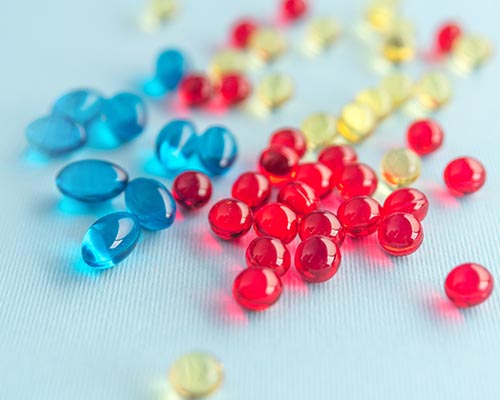
Packaging should be considered during formulation development rather than after the softgel has already been finalized.
The selected package influences exposure to light, oxygen, moisture, temperature variation, and repeated opening.
Bottle Packaging
A bottle system may include:
- Container
- Closure
- Liner
- Seal
- Label
- Optional protective component
- Secondary carton
- Shipping case
These components should be assessed together. A suitable bottle with an unsuitable closure may not provide the intended protection.
Blister Packaging
Blister packaging separates individual softgels into individual cavities.
The packaging material and seal should be compatible with the softgel shell and intended storage conditions. Visual appearance alone does not confirm barrier performance.
Packaging Evaluation
A packaging review may include:
- Container compatibility
- Closure performance
- Seal integrity
- Light exposure
- Oxygen exposure
- Moisture transfer
- Label adhesion
- Softgel movement
- Storage orientation
- Transportation simulation
- Packaging-line performance
The final stability evaluation should use the intended production package whenever possible.
Formula Development and Pilot Production
A fish oil softgel formula should move through a controlled development process.
Initial Formula Review
The technical team should confirm:
- Fish oil specification
- EPA target
- DHA target
- Fill volume
- Fill weight
- Oil viscosity
- Antioxidant system
- Additional ingredients
- Shell material
- Softgel shape
- Shell color
- Packaging format
- Testing requirements
- Storage conditions
Potential compatibility concerns should be identified before pilot materials are prepared.
Pilot Batch
A pilot batch helps evaluate whether the formula behaves as expected on softgel equipment.
The pilot may reveal:
- Inconsistent oil flow
- Filling variation
- Seal instability
- Shell deformation
- Uneven drying
- Surface residue
- Leakage
- Unexpected odor
- Packaging difficulties
- Appearance variation
Pilot approval should be based on predetermined criteria rather than general visual judgment.
Scale-Up
Full production introduces larger mixing volumes, longer transfer lines, different holding times, higher equipment speeds, and larger drying loads.
The scale-up plan should define which parameters require additional monitoring, including:
- Oil temperature
- Holding time
- Filling speed
- Net fill weight
- Shell thickness
- Seal condition
- Drying time
- Environmental conditions
- Bulk storage time
- Packaging timing
A Four-Part Fish Oil Quality Framework
A practical evaluation can be organized into four connected areas.
Ingredient Identity
This confirms the source, type, batch, specification, and traceability of the fish oil ingredient.
The starting material must be clearly identified before the finished formula can be evaluated accurately.
Formula Composition
This defines the total oil, EPA, DHA, additional ingredients, fill weight, serving configuration, and acceptable tolerances.
Each declared value should be supported by approved records and suitable analytical methods.
Product Stability
This examines oil condition, shell compatibility, seal integrity, storage requirements, packaging, and performance over time.
Immediate production success does not replace stability evaluation.
Manufacturing Repeatability
This confirms whether the same approved specification can be reproduced consistently across multiple batches.
Repeatability depends on controlled equipment settings, material handling, in-process inspection, drying, packaging, and release procedures.
Pure Encapsulations Fish Oil and Custom Formula Development
Researching Pure Encapsulations fish oil may provide useful insight into how an established fish oil product presents its composition and product information.
However, custom formula development should not be based on copying another brand’s label, softgel appearance, or ingredient arrangement.
A customized fish oil softgel requires its own:
- Product specification
- EPA and DHA targets
- Oil selection
- Fill weight
- Shell system
- Shape and dimensions
- Antioxidant strategy
- Testing plan
- Packaging configuration
- Stability program
- Batch documentation
- Label information
A technically clear specification creates a stronger foundation than attempting to reproduce the visible features of an existing product.
Common Evaluation Mistakes
Focusing Only on Total Oil
Total fish oil does not provide the same information as EPA and DHA content.
The complete formula should identify each value separately and state whether the amount refers to one softgel or a full serving.
Using Appearance as the Main Quality Indicator
Softgel color, transparency, shape, and surface finish are useful for visual inspection, but they do not confirm oil identity or analytical composition.
Appearance should be reviewed together with manufacturing and testing documentation.
Ignoring the Shell
The oil may meet its incoming specification while the finished softgel still develops leakage, softness, brittleness, or deformation.
The shell and fill should be evaluated as one system.
Reviewing Only General Documents
A general supplier brochure or standard specification does not replace batch-specific information.
Documents should be connected to the actual material and finished batch being evaluated.
Selecting Packaging Too Late
Packaging can influence exposure to oxygen, light, moisture, and temperature variation.
The proposed package should be included in development and stability planning.
Skipping Pilot Evaluation
A formula that mixes successfully in a laboratory vessel may behave differently during pumping, filling, sealing, drying, and packaging.
Pilot evaluation identifies these issues before the complete production process is finalized.
Questions to Ask a Fish Oil Softgel Manufacturer

A clear technical discussion may include the following questions:
- How is the fish oil batch identified?
- How are EPA and DHA levels verified?
- Which oxidation indicators are monitored?
- How is the oil stored before production?
- How is exposure controlled during transfer?
- How is net fill weight measured?
- How frequently are softgels inspected?
- How is seal quality evaluated?
- What pilot testing is required?
- How is shell compatibility assessed?
- Which packaging materials are available?
- How are finished batches documented?
- Which tests are completed internally?
- Which tests are completed externally?
- How are deviations investigated?
- How is formula scale-up controlled?
- How are retained samples managed?
- How is final batch release authorized?
Specific and documented answers indicate that the manufacturing process is being managed through defined technical controls.
Conclusion
Pure Encapsulations fish oil is a brand-specific search phrase, but the quality principles behind fish oil softgels apply more broadly to formulation and manufacturing.
A complete evaluation should begin with fish oil identity, EPA and DHA composition, and raw-material traceability. It should then examine oxidation control, shell compatibility, fill consistency, test methods, packaging, pilot production, stability, and batch documentation.
The finished softgel should not be judged by capsule appearance or total oil quantity alone. A reliable product requires a clearly defined formula and a repeatable manufacturing process.
When ingredient sourcing, encapsulation, testing, packaging, and documentation are developed as one connected system, the result is easier to evaluate, reproduce, and maintain across future production batches.
FAQ
What does Pure Encapsulations fish oil mean?
Pure Encapsulations fish oil refers to fish oil products associated with the independent Pure Encapsulations brand. It is not a generic category. When researching the phrase, review EPA, DHA, total oil, ingredient form, shell composition, testing information, and serving details.
How should EPA and DHA be compared?
EPA and DHA should be reviewed separately from total fish oil. Confirm whether each value is stated per softgel or per serving, identify the number of softgels in one serving, and check that the declared amounts are supported by batch-specific analytical documentation.
Why does oxidation control matter for fish oil softgels?
Fish oil can change when exposed to oxygen, heat, light, or unsuitable storage conditions. A controlled process should address ingredient storage, material transfer, encapsulation, sealing, packaging, and finished-product handling through defined limits and documented testing.
Can fish oil softgels be customized?
Fish oil softgels can be developed with selected EPA and DHA specifications, fill volumes, shell sizes, shapes, colors, opacity levels, antioxidant systems, packaging formats, and testing plans, provided the complete formula remains compatible with the manufacturing process.
What documents are relevant for a fish oil softgel?
Relevant records may include raw-material specifications, batch-specific Certificates of Analysis, EPA and DHA results, oxidation-related test results, fill-weight records, shell inspection results, traceability documents, packaging specifications, and release records.