

Durante años, los suplementos para tabletas se consideraron la opción más tradicional en la industria de la nutrición. Eran prácticos, rentables, fáciles de empaquetar y ampliamente aceptados por los consumidores. Pero el mercado de suplementos moderno ha cambiado. Los compradores están prestando más atención a la transparencia de los ingredientes, la eficiencia de absorción, las formulaciones de etiquetas limpias y la experiencia del usuario que nunca.
Ese cambio está obligando a la fabricación de tabletas a evolucionar.
Hoy en día, las marcas de suplementos exitosas ya no preguntan solo si se puede producir una tableta. Están haciendo preguntas más profundas:
- ¿Se disolverá la tableta correctamente?
- ¿Puede manejar ingredientes sensibles a la humedad?
- ¿La fórmula permanece estable en el tiempo?
- ¿Los consumidores terminarán la botella?
- ¿Puede el proceso de fabricación apoyar la futura expansión del producto?
Si está desarrollando una línea de suplementos o buscando un socio de fabricación, comprender cómo funciona la fabricación de tabletas modernas puede ayudarlo a evitar fallas en la formulación, problemas de la cadena de suministro y problemas de calidad del producto que a menudo aparecen después del lanzamiento.
Esta guía explora cómo Fabricación de tabletas ha cambiado, lo que los consumidores esperan ahora y a qué suplementos serios las marcas deben prestar atención antes de escalar la producción.
tabla de contenido
¿Por qué las tabletas todavía dominan la industria de suplementos?
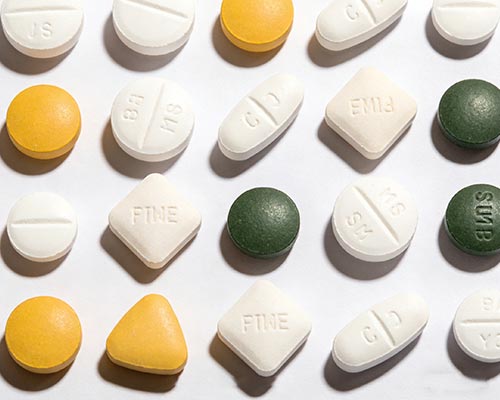
A pesar del rápido crecimiento de gomitas, polvos y suplementos líquidos, las tabletas continúan contando con una parte importante del mercado de suplementos dietéticos.
Hay varias razones para esto:
- Las tabletas admiten dosificación precisa
- Son muy estables durante el almacenamiento
- Funcionan bien para la producción a gran escala
- Pueden contener mezclas de ingredientes complejas
- Ofrecen un rendimiento de larga vida útil
Según el Orientación de suplementos dietéticos de la Administración de Alimentos y Medicamentos de EE. UU., la consistencia y el control de fabricación siguen siendo críticos para la calidad de los suplementos. Las tabletas siguen siendo una de las formas de dosificación más fáciles de estandarizar cuando se utilizan los sistemas de producción adecuados.
Lo que ha cambiado no es la relevancia de las tabletas, son las expectativas que las rodean.
Los consumidores modernos esperan que las tabletas sean más fáciles de tragar, una formulación más limpia y más efectivas en la administración de nutrientes.
La fabricación de tabletas ya no es solo compresión
Muchas personas asumen que la fabricación de tabletas simplemente está presionando el polvo en forma. En realidad, la producción de tabletas modernas es un proceso altamente diseñado que involucra ciencia de formulación, comportamiento material, control ambiental y gestión de estabilidad.
Una tableta de alta calidad debe equilibrar múltiples factores técnicos simultáneamente:
- endurecimiento
- tasa de disolución
- Resistencia a la humedad
- Compatibilidad de ingredientes
- Rendimiento de recu
- Estabilidad de compresión
- Durabilidad de almacenamiento
Si alguna de estas variables está mal controlada, el producto final puede fallar durante el transporte, el almacenamiento o el uso del consumidor.
Esta es la razón por la cual los fabricantes experimentados dedican mucho tiempo a la evaluación de las propiedades del flujo de ingredientes, la distribución del tamaño de partículas y las condiciones ambientales antes de que comience la producción completa.
Puede explorar soluciones de producción de tabletas profesionales aquí:
Servicios de fabricación de tabletas
La ciencia oculta detrás del rendimiento de la tableta
Una de las razones por las que la fabricación de tabletas recibe una atención creciente en línea es que muchas marcas de suplementos encuentran problemas de calidad después de escalar la producción.
Estos problemas son a menudo invisibles durante el desarrollo de productos tempranos.
Ejemplos comunes incluyen:
| Problema de fabricación | Qué sucede en uso real |
|---|---|
| Pobre flujo de polvo | Peso inconsistente de la tableta |
| Compresión débil | Las tabletas se agrietan durante el transporte |
| Dureza excesiva | Disolución lenta y mala absorción |
| Inestabilidad de humedad | Degradación de ingredientes |
| Fallo de recubri | Las tabletas se pegan |
| Granulación inadecuada | Distribución desigual de ingredientes |
Esta es la razón por la que la fabricación avanzada de tabletas depende en gran medida de la ingeniería de procesos en lugar de simplemente la maquinaria.
organizaciones como la Recursos de Buenas Prácticas de Manufactura de la Organización Continúe enfatizando la validación de procesos y el monitoreo ambiental como partes esenciales de la producción farmacéutica y de suplementos.
Por qué los consumidores vuelven a prestar más atención a las tabletas
En los últimos años, el comportamiento del consumidor en torno a los suplementos ha cambiado significativamente.
En lugar de comprar productos genéricos, las personas están evaluando cada vez más:
- Transparencia de ingredientes
- Normas de fabricación
- Fiabilidad de la dosis
- biodisponibilidad
- sostenibilidad
- repasión
Esta tendencia ha empujado a los fabricantes de tabletas a mejorar la calidad del producto en varias áreas.
Tabletas más pequeñas y fáciles de tragar
Las tabletas grandes siguen siendo una de las mayores quejas entre los usuarios de suplementos. Los fabricantes ahora pasan más tiempo optimizando la forma, el recubrimiento y la densidad para mejorar la comodidad de deglución.
Etiquetas de limpiadores
Los consumidores evitan cada vez más aditivos innecesarios, recubrimientos artificiales y rellenos excesivos. La fabricación de tabletas ahora se enfoca más en formulaciones simplificadas.
Mejor tecnología de disolución
Una tableta que no se disuelva correctamente puede reducir la absorción de nutrientes. Las pruebas de disolución se han vuelto más importantes tanto para el cumplimiento de la normativa como para la confianza del consumidor.
El auge de las formulaciones de tabletas especializadas
Otra importante fabricación de tabletas que moldea la tendencia es la especialización.
En lugar de producir multivitaminas de propósito general, muchas marcas están desarrollando formulaciones altamente específicas diseñadas en torno a objetivos específicos, como:
- Apoyo cogni
- Recuperación deportiva
- Apoyo para dormir
- Envejecimiento saludable
- Salud intestinal
- Función inmune
Esto crea nuevos desafíos de fabricación porque los ingredientes especializados a menudo se comportan de manera diferente durante la compresión.
Algunos extractos botánicos absorben la humedad rápidamente. Ciertos minerales crean dificultades de compresión. Los sistemas probióticos pueden requerir controles ambientales especiales.
Como resultado, la experiencia en fabricación ahora es más importante que nunca.
Compresión directa frente a granulación: por qué es importante la diferencia
Un tema que rara vez se discute fuera de los entornos de fabricación es cómo se forman realmente las tabletas.
La mayoría de la producción de tabletas utiliza uno de dos métodos:
Compresión directa
Este proceso comprime el polvo mezclado directamente en tabletas.
Ventajas:
- Producción más rápida
- Menos pasos de procesamiento
- Exposición a la humedad reducida
Desafíos:
- Requiere un flujo de ingredientes altamente uniforme
- No es adecuado para todas las formulaciones
granulación
La granulación mejora el flujo de polvo y la estabilidad antes de la compresión.
Ventajas:
- Mejor distribución de ingredientes
- Consistencia mejorada de la tableta
- Estructura de tableta más fuerte
Desafíos:
- Más complejidad de procesamiento
- Se requieren controles ambientales adicionales
El enfoque correcto depende completamente del comportamiento de los ingredientes y de los objetivos del producto.
Por qué la tecnología de recubrimiento se ha vuelto más importante
Recubrimiento de tabletas solía ser principalmente cosmético. Eso ya no es cierto.
Los recubrimientos modernos sirven para varios fines técnicos:
- Proteger los ingredientes sensibles del oxígeno
- Reducir la exposición a la humedad
- Mejorar la capacidad de deglu
- Máscara sabor u olor desagradable
- Mejorar la estabilidad durante el almacenamiento
Algunos recubrimientos también están diseñados para controlar el tiempo de liberación, ayudando a que los nutrientes se disuelvan gradualmente en lugar de inmediatamente.
El creciente enfoque en la experiencia del consumidor ha hecho de la calidad de recubrimiento un factor de clasificación mucho más grande para las revisiones de suplementos y las compras repetidas.
La sostenibilidad está cambiando la fabricación de tabletas
Las discusiones de sostenibilidad ahora están influyendo en las decisiones de producción de suplementos en toda la industria.
Los consumidores quieren cada vez más:
- Abastecimiento de ingredientes más simple
- Residuos de envases
- Prácticas de fabricación más limpia
- Cadenas de suministro transparentes
Esto está empujando a los fabricantes a modernizar las instalaciones y reducir los desechos de producción innecesarios.
organizaciones industriales como la Organización Internacional de Normalización (ISO) Continuar promoviendo la consistencia de la fabricación y los estándares de calidad operativa en las industrias reguladas.
Qué buscan las marcas de suplementos inteligentes en un fabricante de tabletas
Muchas startups de suplementos se enfocan solo en cantidades mínimas de pedido o velocidad de producción. Las marcas establecidas suelen evaluar a los fabricantes de manera diferente.
Aquí hay varias áreas de las empresas de suplementos experimentados priorizando.
Soporte de formulación técnica
Un fabricante fuerte debe entender cómo se comportan los ingredientes en condiciones de compresión.
Evaluación de estabilidad
Las pruebas deben evaluar:
- Sensibilidad al calor
- Exposición a la humedad
- Estabilidad de estantería a largo plazo
Documentación de calidad
Los fabricantes deben mantener registros de producción detallados y sistemas de trazabilidad.
Sistemas de producción escalables
Las marcas a menudo crecen más rápido de lo esperado. Los sistemas de fabricación deben soportar escalado a largo plazo sin sacrificar la consistencia.
Opciones de forma de dosificación flexible
Muchas marcas de suplementos exitosas eventualmente se expanden a:
- cápsulas
- cápsulas blandas
- polvos
- gomitas
- Bebidas funcionales
Soluciones de fabricación relacionadas:
Por qué la fabricación de tabletas seguirá evolucionando
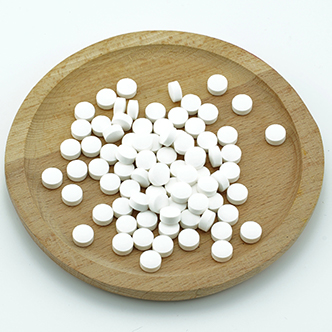
La industria de los suplementos se está volviendo más técnica cada año.
Los consumidores ya no están satisfechos con las fórmulas genéricas y la calidad de producción básica. Cada vez esperan que los suplementos combinen:
- Formulación científica
- Fabricación confiable
- Sistemas de entrega convenientes
- Abastecimiento transparente
- Rendimiento estable a largo plazo
La fabricación de tabletas se encuentra directamente en el centro de estas expectativas.
Las marcas que tienen éxito a largo plazo suelen ser las que tratan la fabricación como parte del desarrollo de productos, no simplemente como un paso de producción.
Pensamientos finales
La fabricación de tabletas se ha convertido silenciosamente en uno de los factores competitivos más importantes en la industria de los suplementos.
Una tableta bien diseñada puede mejorar la estabilidad, la experiencia del consumidor, la protección de los ingredientes y la consistencia del producto a largo plazo. Uno mal diseñado puede crear quejas de los clientes, problemas de absorción y problemas de la cadena de suministro que dañan la credibilidad de la marca con el tiempo.
Para las marcas de suplementos, la comprensión del proceso de fabricación ya no es opcional. Es parte de la construcción de productos en los que los consumidores confían y continúan comprando.
El futuro de la fabricación de tabletas probablemente se centrará aún más en formulaciones más limpias, sistemas de entrega avanzados y precisión de producción. Las marcas que se adaptan antes tendrán una posición mucho más fuerte a medida que el mercado siga evolucionando.
preguntasrán el
que es Fabricación de tabletas en suplementos?
La fabricación de tabletas es el proceso de comprimir los ingredientes nutricionales en forma de tableta sólida utilizando sistemas de producción controlados.
¿Por qué las tabletas son populares en los suplementos?
Proporcionan precisión de dosificación, larga vida útil, eficiencia de producción y embalaje conveniente.
¿Qué afecta más a la calidad de la tableta?
El control de compresión, el flujo de ingredientes, la estabilidad de la humedad y el rendimiento de disolución son factores importantes.
¿Por qué algunas tabletas se disuelven mal?
El equilibrio inadecuado de la formulación, la dureza excesiva o los problemas de recubrimiento pueden retrasar la disolución.
¿Son mejores las tabletas recubiertas?
Los recubrimientos pueden mejorar la estabilidad, la deglución y la protección de los ingredientes durante el almacenamiento.
¿Qué deben buscar las marcas en un fabricante de tabletas?
La experiencia técnica, los sistemas de calidad, las pruebas de estabilidad y las capacidades de producción escalables son importantes.
¿Puede la fabricación de tabletas soportar fórmulas complejas?
Sí, pero las fórmulas complejas a menudo requieren sistemas avanzados de granulación, mezcla y control de compresión.