
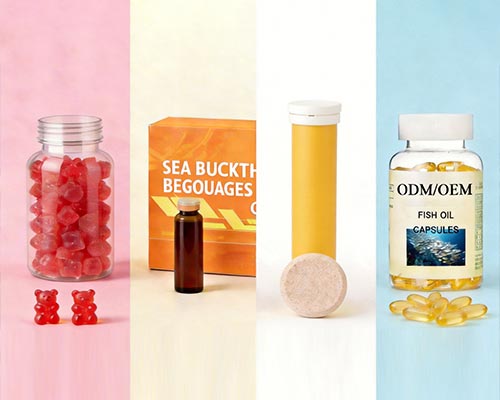
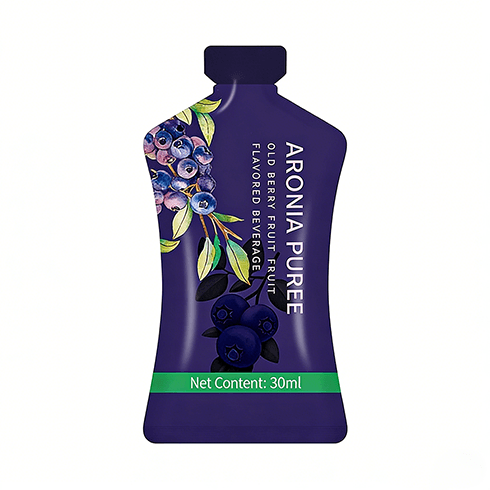
Las bebidas funcionales ya no son un segmento de nicho. Se han convertido en una de las áreas más dinámicas y competitivas en la industria de la nutrición moderna. Desde el apoyo energético hasta la hidratación, el enfoque cognitivo, la salud intestinal y la belleza desde dentro de las fórmulas, las bebidas ahora compiten directamente con cápsulas, polvos y tabletas en muchas categorías de suplementos.
Pero detrás de cada “botella simple” en el estante hay un sistema de fabricación altamente diseñado que determina si el producto realmente funciona, o simplemente se ve bien en el empaque.
La fabricación de bebidas funcionales no se trata solo de mezclar ingredientes en líquido. Se trata de ciencia de estabilidad, control de solubilidad, seguridad microbiana e ingeniería de sabores trabajando juntos en un proceso controlado.
Si está creando una marca de suplementos o expandiéndose a la nutrición líquida, comprender cómo funciona la fabricación de bebidas lo ayudará a evitar el fracaso de la formulación, los problemas de inestabilidad y el rendimiento inconsistente del producto.
tabla de contenido
Por qué las bebidas funcionales están creciendo más rápido que los suplementos tradicionales
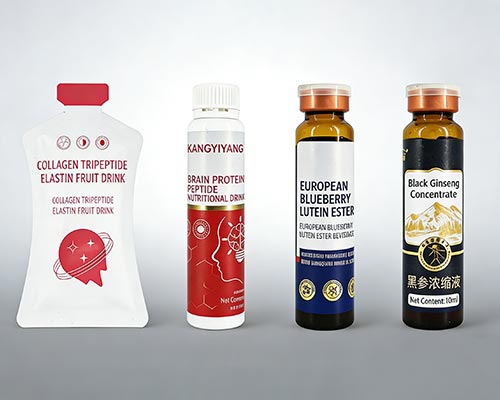
El cambio hacia las bebidas funcionales no es accidental. Refleja un cambio más profundo en el comportamiento del consumidor.
La gente quiere:
- Nutrición lista para beber
- Absorción más rápida en comparación con las pastillas
- Mejor experiencia de sabor
- Beneficios multifuncionales para la salud
- Consumo diario conveniente
A diferencia de las cápsulas o tabletas, las bebidas eliminan la necesidad de tragar formas farmacéuticas sólidas y, a menudo, permiten una biodisponibilidad más rápida de los ingredientes activos.
informes de tendencias de la industria de organizaciones como ifío Destaque que los consumidores prefieren cada vez más alimentos y bebidas funcionales que se ajusten a las rutinas diarias sin fricción.
Al mismo tiempo, la complejidad de la formulación está aumentando. Se espera que las bebidas de hoy brinden más que hidratación: se espera que brinden resultados de salud específicos.
qué implica realmente la fabricación de bebidas funcionales
Muchas personas subestiman la fabricación de bebidas porque el producto final parece simple. En realidad, es una de las áreas técnicamente más exigentes de producción de suplementos.
Un proceso de fabricación de bebidas funcionales estándar incluye:
- Selección de ingredientes y pruebas de compatibilidad
- Evaluación de solubilidad y dispersión
- Mezcla de líquidos y homogeneización
- Equilibrio de pH y ajuste de sabor
- Tratamiento de procesamiento de calor o frío
- Control y esterilización microbiana
- Llenado y sellado bajo condiciones controladas
- Pruebas de estabilidad y vida útil
Cada etapa afecta el rendimiento final del producto. Si cualquier paso está mal controlado, la bebida puede separarse, perder potencia o volverse inestable durante el almacenamiento.
Puedes explorar los sistemas de producción aquí:
Soluciones de fabricación de bebidas funcionales
Por qué la estabilidad es el mayor desafío en los suplementos líquidos
A diferencia de las cápsulas o polvos, los sistemas de líquidos son inherentemente inestables. Los ingredientes interactúan continuamente en un entorno líquido, lo que crea desafíos de formulación únicos.
Los problemas de estabilidad comunes incluyen:
- Separación de ingredientes con el tiempo
- Sedimentación en la parte inferior de la botella
- Degradación del sabor
- Desglose de vitaminas bajo exposición a la luz
- Riesgo de crecimiento microbiano
- Desequilibrio de pH que afecta la solubilidad
Por eso la fabricación de bebidas requiere una ingeniería de formulación fuerte en lugar de técnicas de mezcla simples.
Orientación científica de organizaciones como la Suplementos dietéticos de la FDA Destaca la importancia del control microbiano, la estabilidad de los ingredientes y los procesos de fabricación validados de productos a base de líquido.
Tipos de bebidas funcionales en la nutrición moderna
La fabricación de bebidas funcionales ahora admite una amplia gama de categorías de productos, cada una con requisitos de formulación únicos.
1. Bebidas energéticas y de rendimiento
Diseñado para el apoyo al rendimiento físico o mental, que a menudo requiere compuestos activos de disolución rápida.
2. Hidratación y bebidas electrolíticas
Centrarse en el equilibrio mineral y la rápida absorción de líquidos.
3. Bebidas de apoyo cognitivo
Incluya ingredientes diseñados para el enfoque, la claridad y el rendimiento mental.
4. Bebidas de salud intestinales
Contiene probióticos o fibras prebióticas que requieren una cuidadosa estabilidad de protección.
5. Bebidas de belleza y salud de la piel
A menudo incluyen péptidos de colágeno, antioxidantes o extractos botánicos.
Cada categoría requiere diferentes estrategias de fabricación, especialmente en cuanto a solubilidad y compatibilidad con ingredientes.
La ciencia detrás de la estabilidad de la formulación líquida
Uno de los aspectos más críticos de la fabricación de bebidas es garantizar la estabilidad de los ingredientes a través de las condiciones de tiempo y temperatura.
Los factores científicos clave incluyen:
Comportamiento de solubilidad
No todos los ingredientes activos se disuelven uniformemente en sistemas a base de agua.
Sistemas de emulsificación
Los ingredientes a base de aceite requieren emulsiones estables para evitar la separación.
control de pH
Los niveles de acidez pueden afectar significativamente la estabilidad y el sabor de los ingredientes.
Control de oxidación
La exposición al oxígeno puede degradar compuestos sensibles como las vitaminas y los extractos botánicos.
Sistemas de conservantes
Se utiliza cuidadosamente para garantizar la seguridad microbiana sin afectar la calidad del producto.
organizaciones como la Organización Mundial de la Salud Continúe enfatizando los estándares de control de la contaminación e higiene en los sistemas de producción de alimentos líquidos.
Fabricación de bebidas funcionales frente a otros formatos de suplemento
Para entender dónde se encuentran las bebidas, ayuda a compararlas con otras formas de dosificación.
| ráfaga | Bebidas funcionales | cápsulas | tabletas | polvos |
|---|---|---|---|---|
| Velocidad de absorción | muy alto | médium | médium | alto |
| repasión | muy alto | alto | alto | médium |
| estabilidad | moderado | alto | alto | médium |
| Experiencia de sabor | alto | deficiente | deficiente | médium |
| Flexibilidad de formula | alto | médium | médium | muy alto |
| Complejidad de fabricación | alto | médium | médium | médium |
Las bebidas claramente lideran la experiencia del usuario, pero requieren un control técnico significativamente más durante la producción.
Por qué la ingeniería de sabores es una parte fundamental de la fabricación de bebidas
A diferencia de las cápsulas o tabletas, las bebidas se consumen de forma directa e inmediata. Esto hace que el sabor sea uno de los factores de éxito más importantes.
La ingeniería de sabores moderna incluye:
- Enmascarando la amargura de los extractos botánicos
- Equilibrar la acidez y la dulzura
- Mejorar la sensación en la boca
- Mejora de la estabilidad del aroma
- Reducción del regusto de los ingredientes funcionales
Incluso las fórmulas altamente efectivas pueden fallar comercialmente si el perfil de sabor no se ha diseñado cuidadosamente.
Las tendencias de etiquetas limpias están remodelando la formulación de bebidas
Los consumidores se centran cada vez más en la transparencia de los ingredientes.
Esto ha llevado a la demanda de:
- Menos aditivos artificiales
- Etiquetado claro de ingredientes
- Sabores derivados naturalmente
- Contenido de azúcar reducido
- Formulaciones simplificadas
Estas expectativas están influyendo en cómo se diseñan y validan los sistemas de fabricación de bebidas.
Sistemas de fabricación relacionados:
- Soluciones de fabricación de polvo
- Soluciones de fabricación de cápsulas
- Servicios de fabricación de suplementos
Consideraciones sobre el embalaje y la vida útil
El envasado juega un papel fundamental en el éxito de la fabricación de bebidas funcionales.
Los requisitos comunes de empaquetado incluyen:
- Protección de la luz (para prevenir la degradación de la vitamina)
- Sistemas de barrera de oxígeno
- Resistencia a la temperatura durante el transporte
- Sistemas de sellado a prueba de fugas
- Compatibilidad de materiales con fórmulas ácidas
Las pruebas de estabilidad de la vida útil son esenciales para garantizar el rendimiento del producto con el tiempo en condiciones de almacenamiento reales.
Cómo evaluar un fabricante de bebidas funcionales
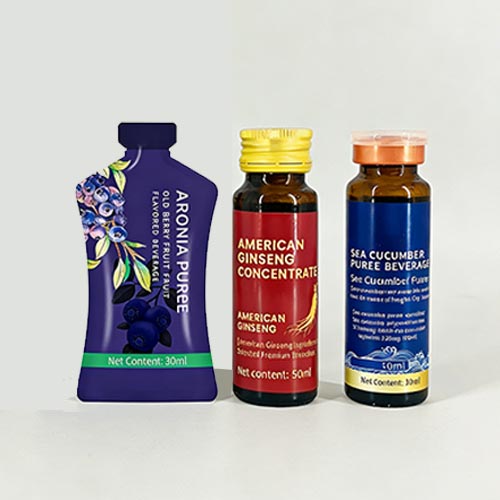
Elegir el socio de fabricación de bebidas funcionales adecuado es una de las decisiones más importantes para cualquier marca de suplemento que ingrese a la categoría de bebidas.
Los criterios clave de evaluación incluyen:
Capacidad de formulación
Capacidad para manejar sistemas líquidos complejos e interacciones de ingredientes.
Sistemas de prueba de estabilidad
Pruebas aceleradas y a largo plazo para el rendimiento del mundo real.
Controles de seguridad microbianos
Sistemas de prevención de saneamiento y contaminación validados.
Experiencia en desarrollo de sabores
Capacidad de equilibrar el sabor con perfiles de ingredientes funcionales.
Capacidad de producción escalable
Apoyo tanto para el desarrollo de productos en etapa inicial como para la producción a gran escala.
El futuro de la fabricación de bebidas funcionales
La categoría está evolucionando rápidamente. Se espera que los futuros desarrollos se centren en:
- Bebidas funcionales personalizadas
- Sistemas mejorados de biodisponibilidad
- Innovación de ingredientes a base de plantas
- Soluciones de envases sostenible
- Tecnologías de reducción de azúcar
- Mezclas de nutrición inteligente para objetivos de salud específicos
A medida que las expectativas de los consumidores continúen aumentando, la fabricación de bebidas se volverá aún más impulsada por la ciencia y centrada en la precisión.
Pensamientos finales
La fabricación de bebidas funcionales se encuentra en la intersección de la ciencia de los alimentos, la formulación de nutrición y el diseño de la experiencia del consumidor.
No se trata simplemente de crear una bebida, se trata de diseñar un sistema de entrega estable, efectivo y agradable para los ingredientes activos.
Para las marcas de suplementos, el éxito en esta categoría depende de que entienda que la fabricación de bebidas es una disciplina técnica, no solo un paso de producción. Las marcas que invierten en la ciencia de la formulación y la calidad de fabricación serán las que se destaquen en un mercado en rápida expansión.
preguntasrán el
que es Fabricación de bebidas funcionales?
Es el proceso de desarrollar y producir suplementos líquidos que brindan beneficios para la salud funcionales.
¿Por qué son populares las bebidas funcionales?
Ofrecen una rápida absorción, comodidad y mejor sabor en comparación con los suplementos tradicionales.
¿Cuál es el mayor desafío en la fabricación de bebidas?
La estabilidad y la separación de ingredientes son los desafíos técnicos más comunes.
¿Las bebidas funcionales requieren conservantes?
Muchos lo hacen, pero los sistemas deben diseñarse cuidadosamente para la seguridad y la estabilidad sin afectar la calidad.
¿Son las bebidas funcionales mejores que las cápsulas?
No son mejores universalmente; ofrecen una absorción más rápida pero una menor estabilidad.
¿Cómo se gestiona el sabor en las bebidas funcionales?
A través de la ingeniería de sabores, las técnicas de enmascaramiento y el equilibrio de ingredientes.
¿Qué afecta más la vida útil de las bebidas?
La temperatura, la exposición al oxígeno, la luz y el control microbiano son factores clave.