
Functional beverages are no longer a niche segment. They have quietly become one of the most dynamic and competitive areas in the modern nutrition industry. From energy support to hydration, cognitive focus, gut health, and beauty-from-within formulas, drinks are now competing directly with capsules, powders, and tablets in many supplement categories.
But behind every “simple bottle” on the shelf is a highly engineered manufacturing system that determines whether the product actually works—or simply looks good on packaging.
Functional beverage manufacturing is not just about mixing ingredients into liquid. It is about stability science, solubility control, microbial safety, and flavor engineering working together in one controlled process.
If you are building a supplement brand or expanding into liquid nutrition, understanding how beverage manufacturing works will help you avoid formulation failure, instability issues, and inconsistent product performance.
Table of Contents
Why Functional Beverages Are Growing Faster Than Traditional Supplements
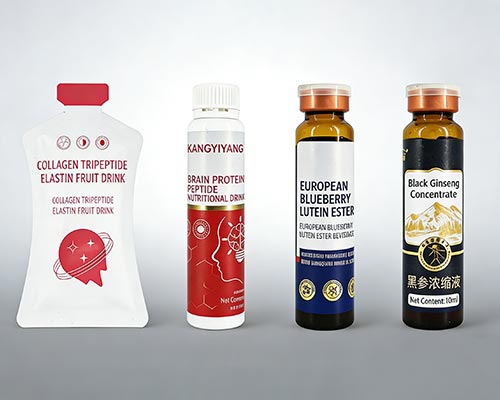
The shift toward functional beverages is not accidental. It reflects a deeper change in consumer behavior.
People want:
- Ready-to-drink nutrition
- Faster absorption compared to pills
- Better taste experience
- Multi-functional health benefits
- Convenient daily consumption
Unlike capsules or tablets, beverages eliminate the need for swallowing solid dosage forms and often allow faster bioavailability of active ingredients.
Industry trend reports from organizations such as IFIC highlight that consumers increasingly prefer functional foods and drinks that fit into daily routines without friction.
At the same time, formulation complexity is increasing. Today’s beverages are expected to deliver more than hydration—they are expected to deliver targeted health outcomes.
What Functional Beverage Manufacturing Actually Involves
Many people underestimate beverage manufacturing because the final product looks simple. In reality, it is one of the most technically demanding areas of supplement production.
A standard functional beverage manufacturing process includes:
- Ingredient selection and compatibility testing
- Solubility and dispersion evaluation
- Liquid blending and homogenization
- pH balancing and flavor adjustment
- Heat or cold processing treatment
- Microbial control and sterilization
- Filling and sealing under controlled conditions
- Stability and shelf-life testing
Each stage affects the final product performance. If any step is poorly controlled, the beverage may separate, lose potency, or become unstable during storage.
You can explore production systems here:
Functional Beverage Manufacturing Solutions
Why Stability Is the Biggest Challenge in Liquid Supplements
Unlike capsules or powders, liquid systems are inherently unstable. Ingredients interact continuously in a liquid environment, which creates unique formulation challenges.
Common stability issues include:
- Ingredient separation over time
- Sedimentation at the bottom of the bottle
- Flavor degradation
- Vitamin breakdown under light exposure
- Microbial growth risk
- pH imbalance affecting solubility
This is why beverage manufacturing requires strong formulation engineering rather than simple mixing techniques.
Scientific guidance from organizations such as the FDA Dietary Supplements emphasizes the importance of microbial control, ingredient stability, and validated manufacturing processes for liquid-based products.
Types of Functional Beverages in Modern Nutrition
Functional beverage manufacturing now supports a wide range of product categories, each with unique formulation requirements.
1. Energy and Performance Drinks
Designed for physical or mental performance support, often requiring fast-dissolving active compounds.
2. Hydration and Electrolyte Drinks
Focus on mineral balance and rapid fluid absorption.
3. Cognitive Support Beverages
Include ingredients designed for focus, clarity, and mental performance.
4. Gut Health Drinks
Contain probiotics or prebiotic fibers that require careful stability protection.
5. Beauty and Skin Health Beverages
Often include collagen peptides, antioxidants, or botanical extracts.
Each category requires different manufacturing strategies, especially regarding solubility and ingredient compatibility.
The Science Behind Liquid Formulation Stability
One of the most critical aspects of beverage manufacturing is ensuring ingredient stability across time and temperature conditions.
Key scientific factors include:
Solubility Behavior
Not all active ingredients dissolve evenly in water-based systems.
Emulsification Systems
Oil-based ingredients require stable emulsions to prevent separation.
pH Control
Acidity levels can significantly affect ingredient stability and taste.
Oxidation Control
Exposure to oxygen can degrade sensitive compounds like vitamins and botanical extracts.
Preservative Systems
Used carefully to ensure microbial safety without affecting product quality.
Organizations such as the World Health Organization continue to emphasize contamination control and hygiene standards in liquid food production systems.
Functional Beverage Manufacturing vs Other Supplement Formats
To understand where beverages stand, it helps to compare them with other dosage forms.
| Feature | Functional Beverages | Capsules | Tablets | Powders |
|---|---|---|---|---|
| Absorption speed | Very high | Medium | Medium | High |
| Convenience | Very high | High | High | Medium |
| Stability | Moderate | High | High | Medium |
| Taste experience | High | Low | Low | Medium |
| Formulation flexibility | High | Medium | Medium | Very high |
| Manufacturing complexity | High | Medium | Medium | Medium |
Beverages clearly lead in user experience but require significantly more technical control during production.
Why Flavor Engineering Is a Critical Part of Beverage Manufacturing
Unlike capsules or tablets, beverages are consumed directly and immediately. This makes taste one of the most important success factors.
Modern flavor engineering includes:
- Masking bitterness from botanical extracts
- Balancing acidity and sweetness
- Enhancing mouthfeel
- Improving aroma stability
- Reducing aftertaste from functional ingredients
Even highly effective formulas can fail commercially if the taste profile is not carefully engineered.
Clean Label Trends Are Reshaping Beverage Formulation
Consumers are increasingly focused on ingredient transparency.
This has led to demand for:
- Fewer artificial additives
- Clear ingredient labeling
- Naturally derived flavors
- Reduced sugar content
- Simplified formulations
These expectations are influencing how beverage manufacturing systems are designed and validated.
Related manufacturing systems:
Packaging and Shelf-Life Considerations
Packaging plays a critical role in functional beverage manufacturing success.
Common packaging requirements include:
- Light protection (to prevent vitamin degradation)
- Oxygen barrier systems
- Temperature resistance during transport
- Leak-proof sealing systems
- Material compatibility with acidic formulas
Shelf-life stability testing is essential to ensure product performance over time under real storage conditions.
How to Evaluate a Functional Beverage Manufacturer
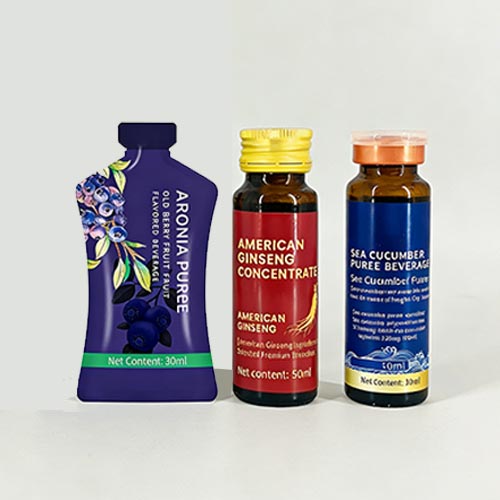
Choosing the right functional beverage manufacturing partner is one of the most important decisions for any supplement brand entering the beverage category.
Key evaluation criteria include:
Formulation Capability
Ability to handle complex liquid systems and ingredient interactions.
Stability Testing Systems
Long-term and accelerated testing for real-world performance.
Microbial Safety Controls
Validated sanitation and contamination prevention systems.
Flavor Development Expertise
Capability to balance taste with functional ingredient profiles.
Scalable Production Capacity
Support for both early-stage product development and large-scale production.
The Future of Functional Beverage Manufacturing
The category is evolving rapidly. Future developments are expected to focus on:
- Personalized functional beverages
- Improved bioavailability systems
- Plant-based ingredient innovation
- Sustainable packaging solutions
- Sugar reduction technologies
- Smart nutrition blends for targeted health goals
As consumer expectations continue to rise, beverage manufacturing will become even more science-driven and precision-focused.
Final Thoughts
Functional beverage manufacturing sits at the intersection of food science, nutrition formulation, and consumer experience design.
It is not simply about creating a drink—it is about engineering a stable, effective, and enjoyable delivery system for active ingredients.
For supplement brands, success in this category depends on understanding that beverage manufacturing is a technical discipline, not just a production step. The brands that invest in formulation science and manufacturing quality will be the ones that stand out in a rapidly expanding market.
FAQ
What is functional beverage manufacturing?
It is the process of developing and producing liquid supplements that deliver functional health benefits.
Why are functional beverages popular?
They offer fast absorption, convenience, and better taste compared to traditional supplements.
What is the biggest challenge in beverage manufacturing?
Ingredient stability and separation are the most common technical challenges.
Do functional beverages require preservatives?
Many do, but systems must be carefully designed for safety and stability without affecting quality.
Are functional beverages better than capsules?
They are not better universally; they offer faster absorption but lower stability.
How is taste managed in functional beverages?
Through flavor engineering, masking techniques, and ingredient balancing.
What affects beverage shelf life the most?
Temperature, oxygen exposure, light, and microbial control are key factors.