
tabla de contenido
comienzo
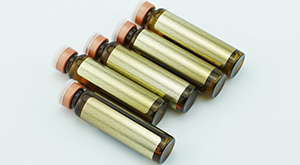
Los líquidos orales pueden parecer más simples que las cápsulas, las tabletas o los polvos, pero su desarrollo implica un conjunto de decisiones técnicas estrechamente conectadas. La solubilidad de los ingredientes, el pH, la viscosidad, el sabor, el control microbiano, la precisión de llenado, la compatibilidad del empaque y la estabilidad del almacenamiento pueden afectar el producto terminado.
Una fórmula exitosa debe hacer más que parecer uniforme inmediatamente después de mezclar. Debe permanecer físicamente consistente, mantener sus especificaciones aprobadas, moverse sin problemas a través del equipo de producción y actuar de manera confiable en su paquete previsto.
Por eso los líquidos orales deben desarrollarse como sistemas completos en lugar de mezclas de agua e ingredientes seleccionados. La fórmula, el proceso de fabricación, el contenedor, el cierre y las condiciones de almacenamiento deben evaluarse juntos.
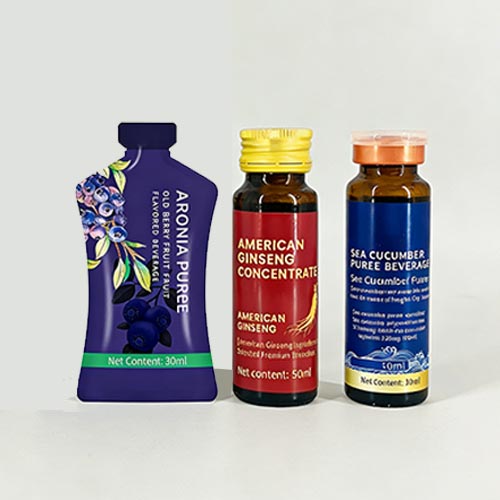
Keju Salud Fabricación funcional de bebidas y líquidos orales Las capacidades incluyen el desarrollo de fórmulas, el ajuste de sabor, el control de estabilidad, el llenado controlado y el empaquetado personalizado para diferentes conceptos de productos líquidos.
Los puntos clave cubiertos en esta guía incluyen:
- Los principales tipos de líquidos orales
- Solubilidad y compatibilidad de ingredientes
- pH, viscosidad y diseño sensorial
- Controles de proceso de mezclado y llenado
- Gestión microbiana y ambiental
- Compatibilidad de embalaje
- Evaluación de estabilidad
- Consistencia y documentación de lotes
- Problemas comunes de formulación
- Preguntas para abordar antes de la producción
¿Qué son los líquidos orales?
Los líquidos orales son productos de formato líquido destinados a Administración oral. Dependiendo de la fórmula, pueden contener ingredientes que se disuelven completamente, se dispersan, se suspenden o se distribuyen completamente a través de un sistema de emulsión.
El término líquidos orales describe una forma de dosificación en lugar de un método de formulación fijo. Pueden presentarse dos productos como líquidos, requiriendo controles de procesamiento, relleno, mezcla y estabilidad completamente diferentes.
Las estructuras líquidas orales comunes incluyen:
- afán
- suspensiones
- emulsiones
- Líquidos parecidos a jarabe
- Disparos líquidos concentrados
- Formulaciones líquidas listas para usar
- Líquidos botánicos multiingredientes
- Fórmulas líquidas derivadas de la marina
- Líquidos de vitaminas y minerales
- Sistemas de polvo a líquido preparados antes de su uso
La estructura más apropiada depende del comportamiento físico y químico de los ingredientes seleccionados.
Soluciones orales
Una solución oral contiene ingredientes que se disuelven en toda la fase líquida. Cuando se desarrolla adecuadamente, la fórmula debe parecer uniforme sin que las partículas visibles se asienten en la parte inferior.
Las soluciones pueden proporcionar una apariencia limpia y una distribución consistente, pero solo cuando todos los ingredientes permanecen solubles en las condiciones de pH, temperatura y almacenamiento previstas.
Un material que se disuelve durante la mezcla calentada puede cristalizar después de enfriarse. Por lo tanto, la solubilidad debe confirmarse en condiciones de producción y almacenamiento realistas.
Suspensiones orales
Una suspensión contiene partículas sólidas finas distribuidas a través de un líquido. Estas partículas no se disuelven completamente y pueden asentarse gradualmente cuando el recipiente permanece quieto.
El objetivo no siempre es evitar que se resuelva todo. Una suspensión controlada debe asentarse lentamente, evitar formar una capa compacta dura y redispersar cuando se mezclan de acuerdo con las instrucciones del producto.
El tamaño de las partículas, la densidad, la viscosidad y los agentes de suspensión influyen en este comportamiento.
Emulsiones orales
Una emulsión combina dos fases líquidas que no quedan naturalmente mezcladas, como una fase oleosa y una fase de agua.
Un emulsionante y un proceso de mezclado apropiado ayudan a distribuir una fase a través de la otra. La fórmula debe ser evaluada para la separación, el crecimiento de gotas, el aceite de superficie, los cambios de textura y la interacción del empaquetado.
Una emulsión visualmente uniforme inmediatamente después de la producción puede seguir separada durante el almacenamiento si el sistema de gotitas no está controlado adecuadamente.
Líquidos orales comparados con otros formatos líquidos
Aunque varios productos líquidos pueden parecer similares, sus estructuras de fórmula y requisitos de fabricación pueden diferir sustancialmente.
| Formato líquido | Estructura típica | Enfoque técnico principal | Preocupación común de la |
|---|---|---|---|
| solución oral | Ingredientes disueltos en líquido | Solubilidad y pH | Cristalización o precipitación |
| suspensión oral | Partículas finas dispersas en líquido | Tamaño de partícula y redispersibilidad | Sedimento o sedimento duro |
| Emulsión oral | Las fases de aceite y agua combinadas | Control de gotitas y emulsificación | Separación de fases |
| Líquido similar al jarabe | Sistema viscoso a base de agua | Textura y comportamiento de vertido | Deriva de viscosidad |
| Disparo líquido concentrado | Fórmula concentrada de pequeño volumen | Carga de sabores e ingredientes | sedimento o perfil sensorial fuerte |
| bebida funcional | Líquido con sabor listo para usar | Equilibrio sensorial y apariencia | Cambios de color, sabor o claridad |
| Concentrado líquido | Fórmula destinada al uso medido | Uniformidad de concentración | cristalización o separación |
Estas categorías pueden superponerse. Un líquido concentrado también puede ser una suspensión, mientras que una bebida funcional puede contener un sistema de emulsión.
La clasificación técnica debe basarse en el comportamiento de la fórmula en lugar del nombre del producto solo.
Paso 1: Definir la estructura de la fórmula
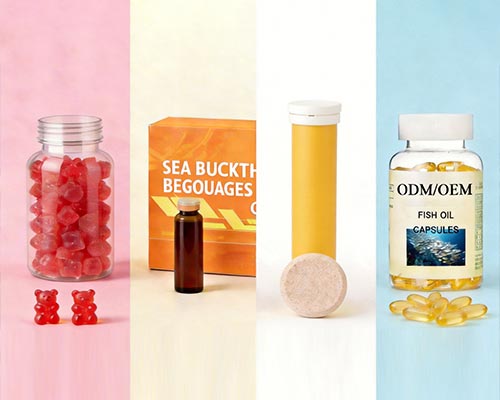
Antes de seleccionar sabores, colores, botellas o etiquetas, el equipo de desarrollo debe determinar qué tipo de líquido oral es técnicamente adecuado.
Las primeras preguntas deben centrarse en el comportamiento de los ingredientes:
- ¿Los ingredientes son solubles en agua?
- ¿Algún componente es soluble en aceite?
- ¿Algún ingrediente permanece como partículas sólidas?
- ¿Es probable que los extractos creen sedimentos?
- ¿La fórmula contiene minerales que pueden interactuar?
- ¿Algún ingrediente sensible al pH?
- ¿La calefacción afectará la fórmula?
- ¿Se requiere un emulsionante?
- ¿La fórmula necesita un sistema de suspensión?
- ¿El producto final está destinado a ser claro, nublado u opaco?
Estas decisiones determinan el equipo y el proceso de desarrollo requerido.
Comience con la lista completa de ingredientes
Cada ingrediente debe ser revisado individualmente y como parte de la mezcla completa.
Un ingrediente puede ser estable por sí solo pero interactuar con otro componente después de mezclarlo. Las posibles interacciones incluyen:
- precipitación
- Cambios de color
- Cambios de sabor
- Aumento de la turbidez
- Cambios en la viscosidad
- espuma de superficie
- Formación de sedimentos
- Inestabilidad de emulsión
- Cambios en el pH
- Interacción con el contenedor
Por lo tanto, las pruebas de compatibilidad deben utilizar la fórmula completa en lugar de los materiales aislados.
Definir la apariencia prevista
La apariencia es una especificación técnica importante.
El equipo de desarrollo debe definir si la fórmula pretende ser:
- transparente
- ligeramente nublado
- naturalmente opaco
- Coloreada uniformemente
- libre de sedimentos visibles
- una suspensión controlada
- una emulsión estable
- fácilmente redispersado
Sin un estándar visual aprobado, la variación normal de los ingredientes puede confundirse con un problema de producción, mientras que la inestabilidad genuina puede aceptarse sin una revisión suficiente.
Paso 2: Evaluar la solubilidad y la compatibilidad
La solubilidad es uno de los factores más importantes en el desarrollo de líquidos orales. Determina si el producto puede seguir siendo una solución o requiere un sistema de suspensión o emulsión.
Una fórmula no debe considerarse estable simplemente porque todos los materiales desaparecen durante la mezcla.
Solubilidad dependiente de la temperatura
Algunos materiales se disuelven más fácilmente a temperaturas elevadas. Cuando la fórmula se enfría, el material puede dejar la fase líquida y formar cristales o sedimentos.
Esto puede suceder gradualmente en lugar de inmediatamente. Una muestra que parece clara el primer día puede volverse turbia o desarrollar partículas más adelante.
Por lo tanto, las pruebas de desarrollo deben incluir:
- Temperatura de mezcla
- velocidad de enfriamiento
- Temperatura final de almacenamiento
- Ciclismo de temperatura
- Concentración de ingredientes
- Cambios de pH
- Duración de almacenamiento
El objetivo es comprender cómo se comporta la fórmula después de la producción, no solo durante la preparación.
Interacciones minerales
Los minerales pueden ser un desafío en los líquidos orales porque pueden afectar el sabor, el color, la claridad y el pH.
Dos ingredientes solubles individualmente pueden interactuar y formar un compuesto insoluble después de que se combinan. Esto puede crear neblina, cristales, material flotante o sedimento.
El orden de adición también puede influir en el resultado. Una secuencia de adición controlada puede a veces reducir la concentración localizada y mejorar la consistencia de mezcla.
Extractos botánicos
Los ingredientes botánicos pueden introducir variaciones naturales en color, sabor, aroma y material insoluble.
El método de extracción, el portador, la concentración, el nivel de partículas y el historial de almacenamiento pueden afectar el comportamiento del líquido. Una fórmula botánica puede requerir filtración, soporte de suspensión, equilibrio de sabor o una especificación de sedimento natural definida.
La variación natural debe manejarse a través de los estándares de materiales entrantes en lugar de eliminarse de consideración.
Ingredientes solubles en aceite
Los materiales solubles en aceite no pueden permanecer normalmente distribuidos uniformemente en un líquido a base de agua sin un sistema de administración adecuado.
Los posibles enfoques incluyen:
- Desarrollo de emulsión
- Sistemas de solubilización
- Ingredientes portadores adecuado
- Homogeneización controlada
- Formatos de productos alternativos
El enfoque seleccionado debe evaluarse en cuanto a la separación, el tamaño de las gotas, la apariencia, el sabor y la compatibilidad a largo plazo.
Paso 3: Control del pH y la viscosidad
El pH y la viscosidad influyen en muchos aspectos de los líquidos orales, incluida la solubilidad, el sabor, la apariencia, el comportamiento de procesamiento y la consistencia del almacenamiento.
Deben tratarse como especificaciones de fórmula central en lugar de ajustes finales.
Por qué importa el pH
El pH puede influir:
- Solubilidad de ingredientes
- estabilidad del color
- Percepción del sabor
- Rendimiento del sistema de conservantes
- Compatibilidad de contenedores
- Formación de sedimentos
- Comportamiento de emulsión
- Degradación de ingredientes
- Requisitos de procesamiento
El pH objetivo debe incluir un rango de operación aceptable. Un solo número objetivo sin tolerancia no proporciona suficiente información para la producción de rutina.
El equipo de desarrollo también debe identificar cuándo se mide el pH. Los resultados tomados inmediatamente después de la mezcla pueden diferir de los resultados registrados después de que la fórmula haya descansado.
Capacidad de amortiguación
Algunas fórmulas resisten los cambios en el pH con más fuerza que otras. Esto se conoce como capacidad de amortiguación.
Una pequeña cantidad de un ingrediente de ajuste puede crear un gran cambio en una fórmula, pero casi no hay cambio en otra. Por lo tanto, el método de ajuste debe desarrollarse específicamente para la mezcla completa.
Agregar material de ajuste de pH excesivo puede afectar el sabor o crear nuevos problemas de compatibilidad.
Por qué es importante la viscosidad
La viscosidad describe la facilidad con la que fluye un líquido.
Un líquido muy delgado puede no mantener las partículas suspendidas uniformemente distribuidas. Una fórmula que es demasiado gruesa puede crear dificultades durante el bombeo, llenado, vertido o uso medido.
Influencias de la viscosidad:
- Estabilidad de suspensión
- sensación
- Comportamiento de vertido
- Velocidad de llenado
- Selección de bombas
- mezclando energía
- Liberación de espuma
- Drenaje de contenedores
- Consistencia de la medición
El objetivo de viscosidad debe reflejar tanto la experiencia sensorial deseada como el proceso de fabricación.
La viscosidad puede cambiar con el tiempo
Algunos sistemas de espesamiento requieren tiempo para hidratarse completamente. El líquido puede continuar espesándose después de la etapa de mezcla principal.
Otros sistemas pueden perder viscosidad debido al pH, minerales, temperatura, procesamiento de alto cizallamiento o interacciones de ingredientes.
Por lo tanto, las mediciones deben tomarse en etapas definidas, como:
- Después de la mezcla inicial
- Después de la hidratación
- Antes de llenar
- Después de llenar
- Durante la evaluación de la estabilidad
Paso 4: Desarrollar el sabor y el equilibrio sensorial
El desarrollo del sabor es un proceso técnico, especialmente cuando la fórmula contiene minerales concentrados, péptidos, materiales derivados de la marina, extractos botánicos o aromas naturales fuertes.
Agregar más sabor no produce automáticamente un resultado equilibrado.
Construye el sabor alrededor de la fórmula base
La fórmula original puede contener:
- crudeza
- acidez
- notas minerales
- notas marinas
- Aromas a base de hierbas
- austeridad
- Características metálicas
- regusto persistente
- color natural
- Textura específica de ingredientes
El perfil de sabor debe desarrollarse después de que la fórmula base alcance una estructura técnica razonablemente estable.
Si la fórmula cambia significativamente después de la aprobación del sabor, es posible que sea necesario revisar el perfil sensorial nuevamente.
dulzura, acidez y aroma
El equilibrio de sabores generalmente depende de la relación entre dulzura, acidez, aroma, textura y regusto.
Un aroma fuerte no siempre puede ocultar la amargura. El dulzor excesivo puede intensificar ciertos postgustos, mientras que la acidez inadecuada puede crear aspereza o afectar la estabilidad de los ingredientes.
Varios pequeños ajustes a menudo producen un resultado más equilibrado que un gran cambio.
Estabilidad del sabor
El sabor puede cambiar durante el almacenamiento.
Los posibles cambios incluyen:
- Pérdida de notas de cabeza
- aumento de la amargura
- Desarrollo de un aroma inesperado
- Interacción con el embalaje
- Cambios causados por la exposición a la luz
- Diferencias entre el uso de temperatura ambiente y frío
- Cambios después de la apertura repetida
Por lo tanto, la evaluación sensorial debe incluirse en el trabajo de estabilidad, no limitada a la muestra de desarrollo inicial.
Control de espuma
Algunos ingredientes generan espuma naturalmente durante la mezcla. La agitación a alta velocidad puede aumentar el problema.
La espuma puede afectar:
- Eficiencia de mezcla
- apariencia visual
- Precisión de llenado
- Consistencia del espacio de cabeza
- Velocidad de línea
- Limpieza de contenedores
El proceso de mezcla debe introducir suficiente energía para la uniformidad sin crear una incorporación de aire innecesaria.
Paso 5: Establecer controles microbianos y ambientales
Los líquidos orales a base de agua requieren controles de fabricación y ambientales cuidadosamente definidos.
El proceso completo debe abordar las materias primas, el agua, el equipo, las áreas de producción, los tiempos de espera, el llenado, los cierres y el empaque.
calidad del agua
El agua es a menudo el componente más grande de los líquidos orales, lo que hace que su calidad sea fundamental para la fórmula.
El sistema de fabricación debe definir:
- Especificación de agua
- proceso de tratamiento
- Condiciones de almacenamiento
- sistema de distribución
- plan de muestreo
- Frecuencia de prueba
- Saneamiento de equipos
- teneduría de disco
La calidad del agua debe ser monitoreada como parte del sistema de producción en lugar de tratarla como una utilidad general.
Manipulación de materias primas
Los polvos, extractos, sabores, aceites e ingredientes líquidos pueden introducir diferentes niveles de complejidad de procesamiento.
Los materiales entrantes deben almacenarse y manipularse de acuerdo con sus requisitos aprobados. Los contenedores abiertos deben gestionarse mediante procedimientos definidos para reducir las confusiones y la exposición descontrolada.
La identificación de lotes debe permanecer visible durante el pesaje y la producción.
Limpieza de equipos
Los tanques de mezcla, las líneas de transferencia, las bombas, los filtros, las boquillas de llenado y los recipientes de retención deben limpiarse a través de procedimientos documentados.
El proceso de limpieza debe tener en cuenta:
- Residuo del producto
- aceites
- Sabores fuertes
- colores
- Agentes espesantes
- material botánico
- Diseño de equipos
- Superficies de difícil acceso
- Tiempo entre corridas de producción
Una superficie de aspecto limpio no confirma por sí mismo que se haya abordado adecuadamente la vía completa del equipo.
Tiempo de espera
Una vez que el líquido se ha mezclado, puede permanecer en un tanque antes de llenarlo.
El tiempo máximo de retención aprobado debe definirse porque el almacenamiento prolongado en un buque de procesamiento puede afectar a:
- calentura
- sedimento
- doctor en educación
- viscosidad
- sazonar
- espuma
- condición microbiana
- Uniformidad de ingredientes
La fórmula debe permanecer dentro de las especificaciones durante todo el período de tenencia aprobado.
Paso 6: Controla la mezcla, filtración y llenado
La transición de la muestra de desarrollo a la producción completa introduce cambios en el tamaño de la embarcación, la energía de mezcla, la distancia de transferencia, el tiempo de espera y la velocidad de llenado.
Una fórmula de laboratorio no se puede multiplicar simplemente sin considerar estas diferencias de proceso.
Orden de adición
La secuencia en la que se agregan los materiales puede afectar al líquido terminado.
Un proceso típico puede incluir:
- Preparación de la fase líquida principal
- Ajuste de la temperatura inicial
- Ingredientes secos seleccionados previamente
- Agregar materiales altamente solubles
- Ingredientes hidratantes engrosamiento o suspensión
- Introducción de extractos o concentrados
- Adición de componentes a base de aceite
- Aplicación de homogeneización controlada
- Ajustando el sabor
- Confirmación de pH y volumen
- Permitiendo la liberación de la espuma
- Transferencia al sistema de llenado
La secuencia real debe desarrollarse para la fórmula específica.
mezclando energía
Muy poca mezcla puede dejar la fórmula no uniforme. La mezcla excesiva puede introducir aire, dañar estructuras sensibles, reducir la viscosidad o crear espuma no deseada.
Las especificaciones de mezclado pueden incluir:
- Tipo de mezclador
- velocidad de mezcla
- Tiempo de mezcla
- calentura
- Volumen de lote
- Tasa de adición
- Configuración de homogeneización
- período de reposo
Grabación de estos parámetros mejora la repetibilidad entre lotes.
filtración
La filtración se puede usar para eliminar partículas no deseadas o mejorar la consistencia visual.
Sin embargo, la filtración no es apropiada para todos los líquidos orales. Una suspensión puede contener partículas dispersas intencionalmente que serían eliminadas por un filtro inadecuado.
La selección de filtros debe tener en cuenta:
- Tipo de fórmula
- Claridad del objetivo
- Tamaño de partícula
- cauchal
- viscosidad
- Retención de ingredientes
- Compatibilidad con filtro
La filtración debe resolver una necesidad técnica definida en lugar de servir como un paso de rutina sin evaluación.
Precisión de llenado
El sistema de llenado debe entregar una cantidad controlada en cada recipiente.
El monitoreo en proceso puede incluir:
- Volumen de relleno
- llenar el peso
- Posición del contenedor
- Rendimiento de la bo
- Nivel de espuma
- Espacio de cabeza
- Solicitud de cierre
- condición de sello
- Colocación de etiquetas
- Limpieza de contenedores
El muestreo debe continuar durante toda la carrera de llenado para que se pueda identificar la deriva del proceso.
Paso 7: Haga coincidir la fórmula con el empaque
El paquete forma parte del sistema de líquidos orales. Afecta el almacenamiento, la apariencia, el vertido, el uso medido, la exposición a la luz, la exposición al oxígeno y la identificación del producto.
La selección de empaques debe ocurrir durante el desarrollo en lugar de después de que se haya completado la fórmula.
material de botella
Los diferentes materiales de los contenedores pueden proporcionar diferentes niveles de:
- Protección de luz
- barrera del oxígeno
- barrera de la humedad
- Resistencia al impacto
- Compatibilidad química
- Flexibilidad de forma
- Adhesión de etiqueta
La fórmula debe probarse en el contenedor previsto porque no se puede confirmar la compatibilidad solo a partir de las descripciones de materiales.
sistema de cierre
El cierre debe ajustarse al patrón de botella y uso previsto.
Los posibles componentes incluyen:
- Tapones de rosca
- Bandas de prueba de sacudidas
- Sellos interiores
- forros
- Tapas de medición
- cuentagotas
- zapatillas
- Insertos de vertido
El sistema de cierre completo debe verificarse para determinar si tiene ajuste, fuga, apertura repetida e interacción con la fórmula.
Espacio de cabeza
El espacio de cabeza es el área vacía entre la superficie del líquido y el cierre.
Puede influir en el movimiento del producto, la exposición al oxígeno, la consistencia del llenado y la apariencia. El nivel de llenado aprobado debe tener en cuenta la variación normal de producción y las características del líquido.
Las fórmulas espumosas pueden requerir un control adicional del proceso de llenado para lograr un espacio de cabeza consistente.
Protección de luz
Algunos ingredientes o colores pueden cambiar con la exposición prolongada a la luz.
Los posibles enfoques incluyen:
- Contenedores opacos
- Botellas tintadas
- Cartones secundarios
- Etiquetas resistentes a la luz
- Instrucciones de almacenamiento definidas
La protección del embalaje debe verificarse con el producto terminado en lugar de asumirse a partir del color del recipiente.
Especificaciones de calidad para líquidos orales
Un producto bien desarrollado debe tener especificaciones mensurables que cubran la fórmula, el proceso de llenado y el paquete terminado.
| Parámetro de calidad | que evalúa | Posible observación |
| cariz | Consistencia visual general | Claro, nublado, opaco o suspendido |
| ruborizarse | Rango visual de lote a lote | Rango de referencia aprobado |
| fragancia | Consistencia sensorial | Perfil esperado sin notas inusuales |
| doctor en educación | Ambiente de fórmula | Objetivo y tolerancia definidos |
| viscosidad | Flujo y textura | Rango de medición aprobado |
| Volumen de relleno | cantidad en cada contenedor | Dentro de la tolerancia establecida |
| Gravedad específica | Densidad de fórmula | Admite comprobaciones de llenado y identidad |
| redispersibilidad | Comportamiento de suspensión | Sedimento se mezcla de nuevo al líquido |
| desnatación | Estabilidad de la emulsión o suspensión | Sin división de fase inaceptable |
| sedimento | Comportamiento de partículas | Dentro del estándar visual aprobado |
| Integridad de cierre | Rendimiento del paquete | Sin fugas ni sello incompleto |
| Especificación microbiana | Control de procesos y productos | Dentro de los criterios aprobados |
| Etiqueta y código | trazabilidad | Claro y correctamente posicionado |
Las especificaciones deben desarrollarse alrededor del producto real. Aplicar los mismos límites a cada fórmula puede crear estándares inadecuados.
Evaluación de la estabilidad para líquidos orales
La evaluación de la estabilidad examina cómo se comportan la fórmula y el paquete con el tiempo en condiciones definidas.
Debe incluir más que una medida final de ingredientes.
estabilidad física
La evaluación física puede monitorear:
- ruborizarse
- claridad
- turbiedad
- sedimento
- cristales
- Separación de fases
- viscosidad
- espuma
- Deformación de contenedores
- filtración
- Rendimiento de cierre
Los cambios deben documentarse utilizando métodos consistentes y estándares de referencia aprobados.
Estabilidad química
La evaluación química depende de la fórmula y de la especificación aprobada.
El plan puede evaluar:
- Marcadores de ingredientes seleccionados
- doctor en educación
- Indicadores de oxidación
- Componentes del sistema de conservantes
- estabilidad del color
- Cambios de aroma
- Interacción entre ingredientes
Las pruebas apropiadas deben seleccionarse durante el desarrollo del producto.
Estabilidad de empaque
El contenedor y el cierre deben incluirse en el trabajo de estabilidad.
Las observaciones de envasado pueden incluir:
- filtración
- enjabonado
- bulto
- Cambios de sello
- Decoloración de cierre
- Elevación de etiquetas
- Transferencia de olores
- Mancha de fórmula
- Rendimiento de gotero o bomba
Una fórmula almacenada en un contenedor de laboratorio puede no comportarse de la misma manera en su paquete final.
Ciclismo de temperatura
Los productos pueden experimentar cambios de temperatura durante el almacenamiento y el transporte.
Los ciclos de temperatura pueden revelar problemas como:
- cristalización
- Separación de emulsión
- Cambios en la viscosidad
- compactación de sedimentos
- Deformación de botella
- Fuga de cierre
- desnivel
Las pruebas de temperatura deben interpretarse junto con la evaluación de almacenamiento normal en lugar de usarse como un sustituto completo de la misma.
Problemas comunes en líquidos orales
Precipitación después de enfriamiento
Una fórmula puede permanecer clara durante la mezcla calentada pero producir cristales después de enfriarse.
El equipo de desarrollo debe revisar la concentración de ingredientes, el pH, la tasa de enfriamiento, el orden de adición y la solubilidad dependiente de la temperatura.
sedimento duro
Las partículas suspendidas pueden asentarse y formar una capa compacta que es difícil de redispersar.
Los posibles factores incluyen el tamaño de partícula, la diferencia de densidad, la viscosidad insuficiente, los agentes de suspensión inadecuados o el tiempo de espera prolongado.
Separación de fases
Una emulsión puede desarrollar una capa superior o inferior visible.
Las causas potenciales incluyen emulsificación inadecuada, crecimiento de gotas, estrés por temperatura, diferencias de densidad o interacción de ingredientes.
espuma excesiva
La espuma puede desarrollarse a partir de una alta velocidad de mezcla, ingredientes similares a proteínas, extractos o turbulencias de la línea de llenado.
El proceso debe revisarse antes de introducir componentes de fórmula adicionales únicamente para controlar la espuma.
Deriva de sabor
El sabor puede volverse más débil, más afilado o menos equilibrado con el tiempo.
Las causas posibles incluyen la interacción de los ingredientes, la pérdida de aroma, la oxidación, la absorción de envases, la temperatura o los cambios en la acidez.
Variación de viscosidad
El líquido puede volverse más espeso o más delgado después de la producción.
La causa puede implicar hidratación incompleta, cambios de pH, interacción mineral, corte de procesamiento, temperatura o variación de ingredientes.
Interacción contenedor
La fórmula puede afectar el revestimiento, el cierre, la pared de botellas, la etiqueta o el componente de medición.
El trabajo de compatibilidad debe incluir el paquete completo previsto.
Consistencia y trazabilidad de los lotes
Los líquidos orales requieren registros de lotes detallados porque múltiples variables de proceso pueden influir en el resultado.
Un registro de producción puede incluir:
- Números de lotes de materia prima
- Cantidades pesadas
- Secuencia de adición
- velocidad de mezcla
- Tiempo de mezcla
- Temperatura del producto
- Ajustes de pH
- Configuración de homogeneización
- volumen final
- Resultados de la viscosidad
- Tiempo de espera
- Configuración de llenado
- Llenar cheques
- Cheques de cierre
- Códigos de embalaje
- Resultados del producto terminado
- Autorización de liberación
Estos registros crean un vínculo directo entre el proceso aprobado y el lote terminado.
Por qué importan los registros del proceso
Una prueba de producto terminado proporciona información sobre las unidades muestreadas, pero no explica cómo se hizo el lote.
Los registros de procesos permiten al equipo de calidad comparar lotes, investigar cambios inesperados e identificar qué variable de fabricación puede haber contribuido a un resultado.
La producción repetible depende del control tanto de la fórmula como del proceso.
Líquidos orales vs cápsulas, polvos y tabletas
El formato apropiado depende del comportamiento de los ingredientes, la configuración de servicio, los requisitos sensoriales, el empaquetado y los objetivos de producción.
| formato | estructura principal | Enfoque de desarrollo clave | Limitación típica |
| Líquidos orales | Ingredientes llevados en un sistema de líquido | Estabilidad, sabor, pH, viscosidad | Compatibilidad con líquidos más compleja |
| Cápsulas duras | polvo o partículas dentro de una cáscara | Compatibilidad con flujo y shell | Volumen interno limitado |
| cápsulas blandas | aceite o líquido dentro de una carcasa sellada | Compatibilidad de llenado a cáscara | Proceso de encapsulación especializada |
| polvos | Mezcla seca preparada para uso directo o mixto | Flujo, sabor y humedad | Requiere mezclar o usar medido |
| tabletas | Sistema sólido comprimido | Compresión y desintegración | Menos adecuado para algunos ingredientes |
| gomitas | Sistema de gel estructurado | Textura, sabor y humedad | Flexibilidad de fórmula limitada |
Los líquidos orales pueden ser adecuados cuando un formato de servicio de líquido, un volumen ajustable o una experiencia sensorial específica forman parte del concepto de producto.
La elección final debe basarse en el ajuste técnico en lugar de la popularidad del formato.
Cómo preparar un escrito de desarrollo de líquidos orales
Un resumen del proyecto claro permite que los equipos de formulación y producción evalúen la viabilidad de manera eficiente.
La información útil incluye:
- Concepto de ingredientes completos
- Cantidades de ingredientes objetivo
- Volumen de servicio previsto
- Preferencia de solución, suspensión o emulsión
- Apariencia requerida
- Dirección de sabor preferida
- Preferencia de dulzura
- Preferencia de textura
- PH objetivo
- Volumen de la botella
- Tipo de cierre
- Diseño de envases
- Expectativas de almacenamiento
- Requisitos de prueba
- Requisitos de documentación
- Horario de producción
Cuando algunos detalles aún están abiertos, el fabricante puede usar el informe para identificar qué ensayos de desarrollo se requieren.
Preguntas para abordar antes de la producción
Antes de que una fórmula líquida oral entre en producción completa, el equipo técnico debe abordar las siguientes preguntas:
- ¿El producto es una solución, suspensión o emulsión?
- ¿Todos los ingredientes son compatibles en la fórmula final?
- ¿Está claramente definido el rango de pH?
- ¿Se ha medido la viscosidad después de la hidratación total?
- ¿Está documentado el estándar de apariencia?
- ¿Se ha evaluado el sabor en la fórmula final?
- ¿El líquido produce una espuma excesiva?
- ¿Se aprueba la secuencia de adición?
- ¿Se define el tiempo máximo de retención?
- ¿Se establece la tolerancia de llenado?
- ¿Se ha probado el contenedor con la fórmula?
- ¿Se ha evaluado el sistema de cierre?
- ¿Se definen los límites de sedimento y separación?
- ¿Está aprobado el plan de estabilidad?
- ¿Están completos los registros de lotes y los requisitos de trazabilidad?
Las respuestas claras reducen la incertidumbre durante la ampliación y la fabricación de rutina.
idea de narración
Los líquidos orales confiables se crean a través de decisiones coordinadas de formulación, procesamiento, prueba, llenado y empaquetado.
El proceso de desarrollo debe comenzar definiendo si el producto es una solución, suspensión o emulsión. La solubilidad de los ingredientes, el pH, la viscosidad, el sabor, el comportamiento de mezcla, la calidad del agua, la precisión del llenado, la compatibilidad del empaque y la estabilidad del almacenamiento deben evaluarse como partes conectadas de un sistema.
Un líquido que se ve uniforme después de la mezcla no está listo para la producción automáticamente. Debe permanecer dentro de sus especificaciones aprobadas durante la celebración, llenado, almacenamiento y uso previsto.
Los líquidos orales más fuertes están respaldados por estándares de fórmulas claros, parámetros de proceso repetibles, empaque apropiado, evidencia de estabilidad y documentación completa de lotes.
preguntasrán el
¿Qué son los líquidos orales?
Los líquidos orales son productos de formato líquido destinados al uso oral medido. Pueden ser soluciones, suspensiones, emulsiones, jarabes, concentrados o bebidas listas para usar. La estructura correcta depende de la solubilidad de los ingredientes, la textura, la apariencia y los requisitos de almacenamiento.
¿Cuál es la diferencia entre una solución y una suspensión?
En una solución, los ingredientes se disuelven en todo el líquido. Una suspensión contiene partículas sólidas finas que permanecen dispersas pero que pueden asentarse gradualmente. Una suspensión bien desarrollada debe evitar los sedimentos duros y redispersar de manera consistente.
¿Por qué importa el pH en los líquidos orales?
El pH puede influir en la solubilidad, el sabor, el color, la viscosidad, la compatibilidad de los ingredientes y el comportamiento de almacenamiento. La fórmula debe tener un rango de pH aprobado y un método de ajuste controlado en lugar de depender de una sola medida tomada durante la mezcla inicial.
¿Cómo se controla la separación en líquidos orales?
El control de separación depende del tipo de fórmula. Las suspensiones pueden requerir el manejo del tamaño de partículas y la viscosidad, mientras que las emulsiones requieren una emulsificación y homogeneización adecuadas. La fórmula terminada debe evaluarse en condiciones de almacenamiento definidas.
¿Qué envase es adecuado para líquidos orales?
El empaque depende de la sensibilidad a la luz, la exposición al oxígeno, la viscosidad, el método de servicio y los requisitos de cierre. Las botellas, revestimientos, sellos, tapas de medición, goteros o bombas deben probarse con la fórmula completa antes de que se apruebe la configuración final.