



Le marché mondial de la santé et du bien-être continue de s'étendre et la possibilité de créer une marque de suppléments réussie n'a jamais été aussi accessible. Parallèlement, la concurrence s'intensifie, les réglementations se resserrent et les consommateurs sont de plus en plus informés. Si vous envisagez de lancer une marque de suppléments en 2026, vous avez besoin de plus qu'une simple idée de produit, vous avez besoin d'une stratégie claire fondée sur la réalité du marché.
Ce guide vous guide pas à pas, en combinant des informations sur l'industrie, des actions pratiques et des considérations réelles pour que vous puissiez progresser en toute confiance.
Table des matières
Comprendre le marché avant de commencer
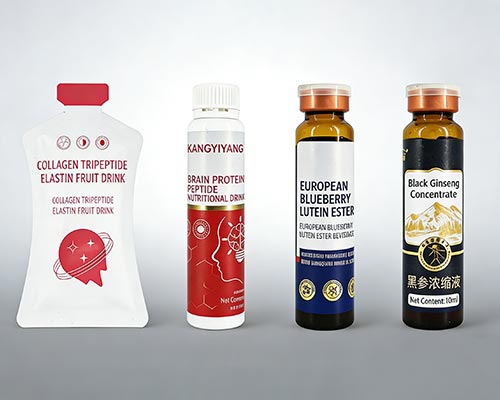
Avant d'investir dans le développement de produits, il est essentiel de comprendre où se dirige l'industrie des suppléments.
Selon les données publiées par Recherche sur le Grand Vue, le marché mondial des suppléments alimentaires a maintenu une croissance constante, grâce à la prise de conscience croissante de la santé préventive et de la nutrition personnalisée. Ce qui ressort des rapports récents, ce n'est pas seulement la croissance, mais la fragmentation. Les consommateurs ne sont plus satisfaits des produits génériques. Ils recherchent des solutions ciblées telles que le soutien au stress, la santé intestinale, la beauté de l'intérieur et l'optimisation des performances.
Ce changement signifie que votre marque de supplément ne doit pas viser à servir tout le monde. Au lieu de cela, vous devez définir une niche claire dès le début.
Par exemple, plutôt que de lancer une multivitamine générale, vous pouvez vous concentrer sur un groupe spécifique, comme des professionnels occupés à la recherche de soutien cognitif ou des passionnés de fitness à la recherche de solutions de récupération.
Étape 1 : Définissez votre niche et votre positionnement
Chaque marque de suppléments réussie commence par une identité claire. Sans cela, votre produit devient interchangeable avec des centaines d'autres.
Demandez-vous :
- Qui servez-vous exactement ?
- Quel problème spécifique résolvez-vous ?
- Pourquoi les clients devraient-ils faire confiance à votre produit plutôt qu'aux autres ?
Un créneau fort ne limite pas votre croissance, il aiguise votre message et améliore votre taux de conversion.
Un exemple pratique :
Une nouvelle marque est entrée sur le marché ciblant le soutien au sommeil. Au lieu d'offrir un produit générique de mélatonine, ils se sont positionnés autour de “la récupération du sommeil non embarquée pour des modes de vie de stress élevé”. Cela leur a permis de se démarquer et de créer rapidement une clientèle fidèle.
Étape 2 : Choisissez la bonne stratégie produit
Une fois votre niche définie, la prochaine étape consiste à décider quel type de produit votre marque de suppléments proposera.
Vous avez généralement trois options :
- Produits à un seul ingrédient
- Formulations multi-ingrédients
- Des mélanges fonctionnels ciblant des résultats spécifiques
En 2026, la tendance évolue clairement vers des formules combinées. Les consommateurs préfèrent les produits qui répondent à de multiples préoccupations dans une seule solution.
Cependant, la complexité doit être équilibrée avec la clarté. Si votre formule est trop compliquée, il devient plus difficile de communiquer de la valeur.
Étape 3 : Sélectionnez la forme posologique optimale
Le format de livraison de votre produit n'est pas seulement une décision technique, mais il a un impact direct sur l'expérience client et le succès du marché.
Voici une comparaison pour vous aider à évaluer différentes options :
| FORMULAIRE DE DOSE | Principaux avantages | limitations | Meilleurs cas d'utilisation |
|---|---|---|---|
| capsules | Propre, facile à formuler, largement accepté | Vitesse d'absorption modérée | Produits de bien-être généraux |
| gélules | Haute biodisponibilité, idéale pour les huiles | Coût de production plus élevé | Ingrédients liposolubles |
| poudres | Dosage flexible, charge élevée d'ingrédients | nécessite une préparation | Sports et performances |
| gommes | Appel à consommation élevé, facile à prendre | Dosage actif limité | Utilisateurs de style de vie et débutants |
| liquides | Absorption rapide | Durée de conservation plus courte | Formules premium ou à action rapide |
Le choix du bon format dépend de votre public cible, du profil des ingrédients et du positionnement de la marque.
Étape 4 : Travaillez avec le bon partenaire de fabrication
Votre fabricant joue un rôle essentiel dans le succès de votre marque de supplément. Il ne s'agit pas seulement de production, mais de qualité, de conformité et d'évolutivité.
Un partenaire fiable doit pouvoir soutenir :
- Développement de formulations personnalisées
- Normes de production certifiées telles que HACCP, iso, ou équivalent
- Quantités de commande minimales flexibles
- Gestion de la chaîne d'approvisionnement transparente
D'un point de vue opérationnel, la fabrication de sous-traitance vous permet de vous concentrer sur l'image de marque, le marketing et la distribution plutôt que sur l'infrastructure.
Étape 5 : Comprendre les coûts et le budget de manière réaliste
L'une des erreurs les plus courantes que commettent les nouveaux fondateurs est la sous-estimation des coûts.
Une marque de suppléments implique plus que de simples dépenses de fabrication. Il faut aussi tenir compte :
- Développement et test de produits
- Conception et matériaux d'emballage
- Conformité et documentation
- Marketing et acquisition de clients
Les informations de l'industrie suggèrent que les marques à un stade précoce allouent souvent une partie importante de leur budget au marketing plutôt qu'à la production. C'est parce que même le meilleur produit ne se vendra pas sans visibilité.
Une approche pratique consiste à commencer avec un petit lot de production, à valider la demande, puis à évoluer.
Étape 6 : Créez une marque à laquelle les consommateurs ont confiance
La confiance est l'un des facteurs les plus importants de l'industrie des suppléments.
Les consommateurs modernes sont sceptiques. Ils veulent de la transparence, de la traçabilité et des preuves de qualité.
Pour renforcer la confiance, votre marque de supplément doit communiquer clairement :
- Approvisionnement des ingrédients
- Normes de fabrication
- Tests et assurance qualité
- Avantages prévus étayés par des éléments de preuve
Évitez les réclamations exagérées. Au lieu de cela, concentrez-vous sur l'éducation et la clar Les marques qui se positionnent comme honnêtes et informatifs ont tendance à mieux performer à long terme.
Étape 7 : Élaborez une stratégie de mise sur le marché
Lancer une marque de suppléments sans stratégie de distribution est un écueil courant.
Vous devez décider où et comment vous vendez votre produit :
- Direct-to-consommateur via votre propre site Web
- Places de marché en ligne
- Partenariats de gros ou de vente au détail
Chaque canal a des exigences et des marges différentes. De nombreuses nouvelles marques commencent par le client, car cela permet un meilleur contrôle de l'image de marque et des données clients.
Le marketing de contenu joue également un rôle clé. Les articles de blog éducatifs, les guides de produits et le contenu axé sur le référencement peuvent apporter un trafic organique cohérent au fil du temps.
Étape 8 : Valider, apprendre et itérer
Votre premier produit n'a pas besoin d'être parfait. Ce qui compte, c'est la rapidité avec laquelle vous apprenez et vous adaptez.
Recueillir les commentaires des premiers clients :
- Qu'est-ce qu'ils aiment ?
- Qu'est-ce qu'ils trouvent déroutant?
- Que s'amélioreraient-ils ?
Utilisez ce commentaire pour affiner votre formule, votre emballage et votre message.
De nombreuses marques de suppléments à succès aujourd'hui n'ont pas commencé avec leur produit le plus vendu. Ils ont évolué grâce à une itération continue.
Erreurs courantes à éviter
Même avec un plan solide, il y a des pièges dont vous devez être conscient :
- Essayer de cibler un public trop large
- Choisir des ingrédients en fonction des tendances plutôt que de la pertinence
- Ignorer les exigences réglementaires
- Surinvestissement dans l'inventaire sans validation
- Se concentrer sur le produit mais négliger l'image de marque
Éviter ces erreurs peut vous faire économiser du temps, de l'argent et des revers inutiles.
Qu'est-ce qui fait un Marque de supplément Réussir en 2026

La définition d'une marque de suppléments réussie est en train de changer.
Il ne s'agit plus seulement d'avoir un bon produit. Il s'agit de combiner plusieurs éléments :
- Positionnement clair
- Formulations scientifiquement fondées
- Forte identité de marque
- Fabrication fiable
- Exécution marketing efficace
Les marques qui alignent tous ces composants sont plus susceptibles d'atteindre une croissance durable.
conclusion
Démarrer une marque de suppléments en 2026 est à la fois une opportunité et un défi. La barrière à l'entrée est plus faible que jamais, mais se démarquer nécessite une réflexion stratégique et une exécution disciplinée.
Si vous approchez votre marque de suppléments avec un créneau clair, un produit bien conçu et une concentration sur la confiance et la qualité, vous vous positionnez pour un succès à long terme.
La clé est de ne pas se précipiter. Construisez étape par étape, validez vos décisions et restez proche de vos clients. C'est ainsi que les marques fortes sont créées sur un marché concurrentiel.
FAQ
Combien cela coûte-t-il de démarrer un Marque de supplément?
Les coûts varient en fonction de la formulation, de l'emballage et du marketing, mais la plupart des nouveaux propriétaires de marques de suppléments doivent prévoir à la fois les dépenses de production et de promotion.
Ai-je besoin de ma propre usine pour démarrer un compléter Marque ?
non . La plupart des marques travaillent avec des sous-traitants pour produire leurs produits, ce qui réduit les investissements initiaux et la complexité opérationnelle.
Combien de temps faut-il pour lancer un produit de supplément ?
Selon la complexité, cela peut prendre de quelques semaines à plusieurs mois, y compris la formulation, les tests et la production.
Quelle est la meilleure forme de dosage pour une nouvelle marque de suppléments ?
Il n'y a pas de réponse unique. Les capsules sont souvent un point de départ pratique, tandis que les gélifiants et les poudres peuvent être meilleurs pour un public spécifique.
Comment différencier ma marque de suppléments ?
Concentrez-vous sur une niche claire, une formulation unique et une communication transparente plutôt que d'essayer de rivaliser de manière globale.