


When most people think about supplement manufacturing, they focus only on the obvious expenses like ingredients and production. But in reality, the true cost structure is much more complex. Many brands discover too late that hidden costs can significantly impact budgets, profit margins, and even product launch timelines.
If you are planning to build or scale a supplement brand, understanding these hidden costs will help you make smarter decisions and avoid unexpected financial pressure later in the process.
This guide breaks down the real, often overlooked costs in supplement manufacturing so you can plan more accurately and strategically.
Table of Contents
Why Hidden Costs in Supplement Manufacturing Matter
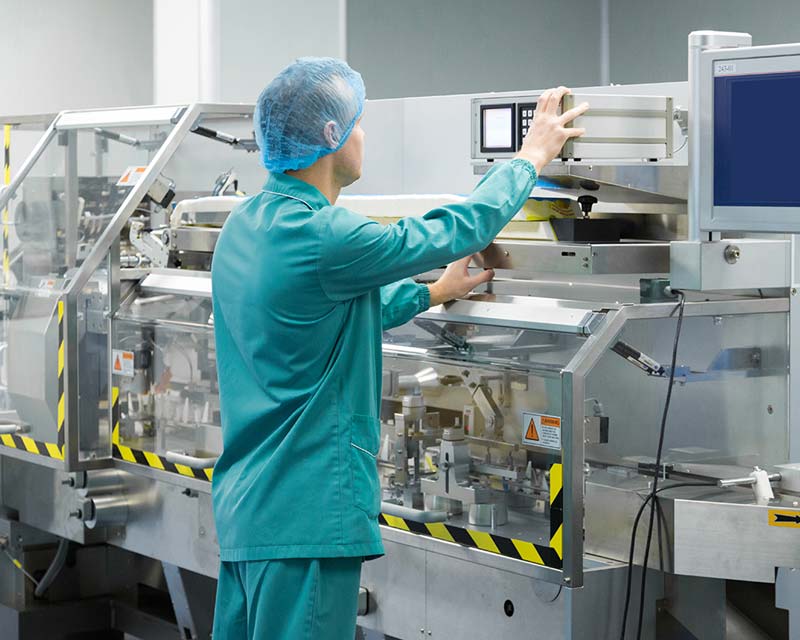
Supplement manufacturing is a multi-stage process that goes far beyond simply producing a finished product. Each stage involves technical, regulatory, and operational requirements that add cost.
According to general industry observations from nutraceutical manufacturing studies and GMP-aligned production frameworks, a large portion of total product cost is often not in raw materials but in supporting processes such as testing, compliance, and quality assurance.
Understanding these hidden components helps you:
- Avoid underestimating total investment
- Improve product planning accuracy
- Protect profit margins
- Reduce production delays
- Scale more efficiently
Hidden Cost 1: Formulation Development and Adjustments
One of the most underestimated costs in supplement manufacturing is formulation development.
Even when using existing formulas, adjustments are often required for:
- Ingredient stability
- Taste optimization
- Dosage balance
- Absorption improvement
Each modification may require additional testing cycles. In many cases, multiple iterations are needed before final approval.
This means formulation is not a one-time cost but an ongoing development process, especially for customized products.
Hidden Cost 2: Testing and Quality Assurance
Testing is a critical but often invisible cost in supplement manufacturing.
Typical testing stages include:
- Raw material testing
- Microbiological analysis
- Heavy metal screening
- Stability testing
- Final batch verification
Each test requires laboratory time, specialized equipment, and documentation.
Industry quality systems such as GMP and ISO standards emphasize that testing is not optional but essential for product safety and regulatory compliance.
Hidden Cost 3: Packaging Design and Compliance Adjustments
Packaging is another area where hidden costs frequently appear.
Beyond basic bottles or containers, additional expenses may include:
- Label design revisions
- Regulatory compliance updates
- Barcode and tracking system integration
- Packaging material testing
- Tamper-proof sealing requirements
Even small design changes can trigger reprinting or revalidation costs.
Packaging is not just visual branding—it is part of regulatory compliance and product safety.
Hidden Cost 4: Minimum Order Quantity (MOQ) Inefficiencies
MOQ can create hidden financial pressure, especially for new brands.
While manufacturers set MOQ based on efficiency, it can lead to:
- Excess inventory storage costs
- Cash flow pressure from overproduction
- Higher per-unit cost for small batches
Sometimes, brands order more than they need just to meet MOQ requirements, which increases upfront investment and inventory risk.
Hidden Cost 5: Supply Chain and Raw Material Fluctuations
Raw material prices are not always stable.
Supplement manufacturing depends on global supply chains for vitamins, minerals, herbal extracts, and specialty ingredients. Price fluctuations can occur due to:
- Seasonal availability
- Harvest variations
- Transportation delays
- Supplier shortages
These fluctuations are rarely included in initial cost estimates but can significantly affect final production pricing.
Hidden Cost 6: Regulatory and Documentation Requirements
Compliance is a major hidden cost in supplement manufacturing.
Even when not visible in product pricing, regulatory processes may include:
- Product specification documentation
- Safety data sheets
- Batch release certificates
- Stability reports
- Export documentation (if applicable)
These processes require technical staff, time, and administrative resources.
Hidden Cost 7: Production Downtime and Setup Costs
Manufacturing equipment requires setup and calibration before production begins.
These hidden operational costs include:
- Machine setup time
- Cleaning between batches
- Production line changeovers
- Equipment maintenance
If production involves multiple product types (capsules, tablets, powders), changeover time increases, adding indirect costs.
Hidden Cost 8: Product Stability and Shelf-Life Testing
Many brands underestimate the importance of stability testing in supplement manufacturing.
Stability testing evaluates:
- Ingredient degradation over time
- Temperature and humidity resistance
- Packaging protection effectiveness
- Shelf-life validation
These tests often take weeks or months, and delays in stability validation can delay product launch timelines.
Hidden Cost 9: Logistics and Storage
After production, supplements still require proper handling.
Additional costs may include:
- Warehousing and storage fees
- Temperature-controlled environments
- Shipping and distribution preparation
- Inventory management systems
Improper planning at this stage can lead to spoilage or inefficiencies, especially for sensitive formulations.
Hidden Cost 10: Product Iteration After Market Feedback
Even after launch, supplement manufacturing costs do not stop.
Brands often need to adjust:
- Formulas based on customer feedback
- Packaging for better usability
- Dosage improvements
- Flavor or texture enhancements
These improvements require new production cycles, which add ongoing costs beyond the initial launch.
Real Cost Structure Overview
To help you visualize how supplement manufacturing costs are distributed, here is a simplified breakdown based on industry manufacturing models:
| Cost Category | What It Includes | Impact Level |
|---|---|---|
| Raw materials | Active ingredients and excipients | High |
| Production | Mixing, encapsulation, tableting | High |
| Testing & QA | Lab analysis and stability testing | Very high |
| Packaging | Containers, labels, compliance design | Medium to high |
| Regulatory | Documentation and compliance systems | Medium |
| Logistics | Storage and distribution preparation | Medium |
| Hidden development costs | Formulation adjustments, iterations | High |
This breakdown shows that supplement manufacturing is not a single-cost process but a layered system of interconnected expenses.
How to Reduce Hidden Costs in Supplement Manufacturing
While hidden costs cannot be eliminated completely, they can be managed effectively.
Here are practical strategies:
1. Start with stable formulations
Avoid unnecessary customization in early stages.
2. Choose experienced manufacturing partners
Experienced teams reduce trial-and-error cycles.
3. Plan packaging early
Avoid redesigns after production starts.
4. Validate demand before scaling
Prevent overproduction and MOQ inefficiencies.
5. Request full cost breakdowns
Transparency helps avoid unexpected expenses.
Conclusion
Hidden costs in supplement manufacturing are one of the most overlooked challenges for new and growing brands. While raw materials and production are easy to understand, real complexity comes from testing, compliance, packaging, logistics, and product development iterations.
By understanding these hidden factors, you can build a more accurate budget, reduce financial risk, and improve long-term profitability.
Successful supplement manufacturing is not just about making a product—it is about managing an entire system efficiently from development to delivery.
FAQ
What is the biggest hidden cost in supplement manufacturing?
Testing and quality assurance are often the most significant hidden costs due to their complexity and regulatory requirements.
Why do supplement manufacturing costs increase after production starts?
Costs often increase due to testing, packaging adjustments, and formulation refinements.
Are MOQs a hidden cost in supplement manufacturing?
Yes, MOQs can lead to excess inventory and higher upfront investment.
How can I reduce hidden costs?
By choosing stable formulas, working with experienced manufacturers, and planning packaging and testing early.
Do all supplement manufacturers have hidden costs?
Yes, but transparent manufacturers will clearly explain them before production begins.
Need Help Understanding Supplement Manufacturing Costs?
If you’re unsure how to calculate the real cost of supplement manufacturing or identify hidden expenses in your production plan, our experts at Shandong Keju Pharmaceutical Co., Ltd. are here to help. Contact us today for a personalized consultation and get professional guidance on formulation planning, cost optimization, production strategy, and scalable manufacturing solutions. Don’t wait until unexpected costs affect your project—get in touch now and build your supplement brand with clarity and confidence!