



If you are planning to build a supplement brand, working with supplement manufacturers is one of the most important decisions you will make. On the surface, most manufacturers appear similar. They offer product development, production, and packaging services. But behind the scenes, there are several realities that are rarely discussed openly.
Understanding these hidden aspects can help you avoid costly mistakes, choose better partners, and build a more successful supplement business.
This article gives you an honest, industry-based perspective on what supplement manufacturers often do not tell you during early discussions.
Table of Contents
Not All “Manufacturing Capabilities” Are Equal

Many supplement manufacturers present themselves as fully integrated production facilities. In reality, their capabilities can vary significantly.
Some manufacturers only handle basic blending and packaging, while others manage full-cycle production including formulation, testing, and regulatory support.
The difference is important because it affects product consistency, development speed, and long-term scalability.
Industry quality frameworks such as GMP (Good Manufacturing Practice) highlight that full process control is essential for reducing contamination risks and ensuring batch consistency. However, not all supplement manufacturers operate at this level across every production stage.
Minimum Order Quantities Are More Flexible Than They Admit
One thing many supplement manufacturers do not emphasize clearly is flexibility in MOQ (minimum order quantity).
While initial quotes may suggest high minimums, many manufacturers can adjust based on:
- Product type
- Ingredient availability
- Packaging complexity
- Long-term cooperation potential
For example, simple capsule products usually allow more flexible small-batch production compared to complex gummy or liquid formulations.
From an industry perspective, MOQ flexibility is often a negotiation point rather than a fixed rule, especially for new brands testing the market.
Ingredient Substitution Happens More Often Than You Think
A less discussed reality is ingredient substitution.
Some supplement manufacturers may replace raw materials with functionally similar alternatives if:
- Supply chain shortages occur
- Cost optimization is required
- Stability issues arise during production
While reputable manufacturers always maintain transparency and approval processes, not all communication is equally detailed across the industry.
This is why it is important for brands to request:
- Full ingredient specification sheets
- Batch-level traceability reports
- Pre-production sample approval
Transparency is critical to ensure product integrity and consistency.
Turnkey “Full Service” Often Has Hidden Limits
Many supplement manufacturers advertise turnkey solutions, including formulation, packaging, and logistics.
However, the level of customization can vary.
In practice, turnkey services often fall into three levels:
| Service Level | What It Includes | Limitation |
|---|---|---|
| Basic OEM | Production using existing formulas | Limited customization |
| Standard ODM | Formula + packaging adjustments | Moderate flexibility |
| Full turnkey | End-to-end product development | May still rely on pre-approved ingredient libraries |
While “full service” sounds complete, most manufacturers still work within internal formulation systems or approved ingredient libraries for efficiency and compliance reasons.
Lead Times Are Often Longer Than Initial Estimates
Another reality is production timing.
Supplement manufacturers typically provide estimated lead times based on ideal conditions. However, real-world production can be affected by:
- Raw material availability
- Quality testing delays
- Packaging supply chain constraints
- Regulatory review requirements
Industry manufacturing reports and operational benchmarks in the nutrition sector show that delays often occur during testing and packaging stages rather than actual production.
Understanding this helps you plan inventory more realistically and avoid stock shortages during launch phases.
Quality Control Is Not Always Uniform Across All Products
Even within the same facility, quality control processes may differ depending on product type.
For example:
- Capsules may follow one testing protocol
- Powders may require additional moisture and stability testing
- Liquids often need microbiological safety verification
While supplement manufacturers generally follow standardized systems, implementation consistency can vary depending on workload, product complexity, and internal prioritization.
This is why batch testing reports are essential for brand owners.
Communication Gaps Are a Hidden Risk
One of the most overlooked issues when working with supplement manufacturers is communication clarity.
Common gaps include:
- Delayed feedback on formulation adjustments
- Lack of technical explanation for ingredient changes
- Incomplete documentation sharing
- Misalignment on production expectations
In many cases, production issues are not caused by technical limitations but by unclear communication during early planning stages.
A strong manufacturer should act not just as a supplier but as a technical partner who actively guides product development.
Cost Structures Are More Complex Than They Seem
Many brands assume pricing is straightforward, but supplement manufacturing costs include multiple layers:
- Raw materials
- Processing and labor
- Testing and compliance
- Packaging and labeling
- R&D support and formulation adjustments
According to general industry cost breakdown analyses in nutraceutical manufacturing studies, raw materials and production processes usually represent the largest share, but quality testing and compliance also contribute significantly.
Understanding this helps you avoid oversimplifying cost comparisons between supplement manufacturers.
Not All Certifications Guarantee the Same Level of Quality
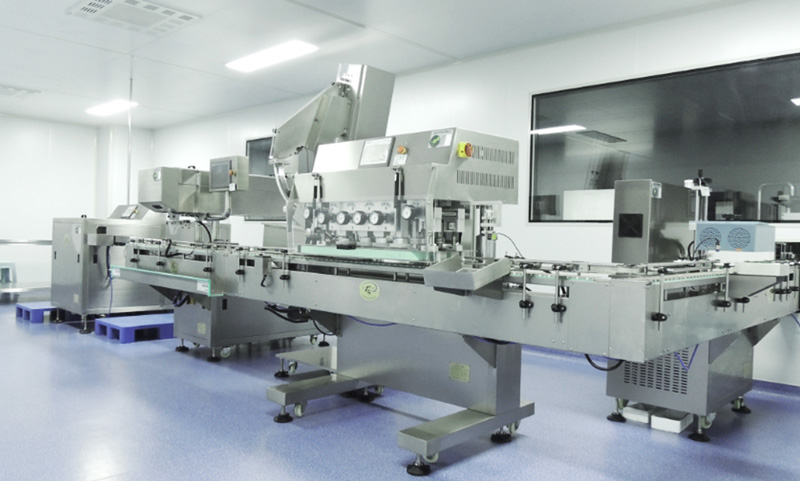
Certifications such as GMP, ISO, or HACCP are important indicators of compliance, but they do not always reflect real-world execution quality.
Some supplement manufacturers maintain strong documentation systems but vary in operational discipline.
Key indicators of true quality include:
- Consistent batch testing records
- Transparent raw material sourcing
- Repeatable production results
- Traceable quality audits
Certifications should be the starting point, not the final decision factor.
The Best Manufacturers Focus on Long-Term Partnerships
The most successful supplement manufacturers do not treat clients as one-time orders. Instead, they focus on long-term collaboration.
This includes:
- Product optimization over time
- Cost efficiency improvements
- Formula upgrades based on market feedback
- Support for product expansion
Long-term thinking leads to better product consistency and stronger brand development.
Conclusion
Working with supplement manufacturers is not just about choosing a production partner. It is about understanding how the industry actually works behind the scenes.
From ingredient sourcing and MOQ flexibility to quality control and communication gaps, many important details are not always openly discussed.
When you understand these realities, you can make more informed decisions, reduce risk, and build a more stable supplement brand.
The key is not to look for the “perfect manufacturer,” but to find a transparent, experienced, and communicative partner who aligns with your long-term goals.
FAQ
Why don’t supplement manufacturers disclose all production details upfront?
Because some processes depend on supply chain conditions, formulation systems, and internal quality protocols that vary by product.
Are ingredient substitutions common in supplement manufacturing?
They can occur due to availability or stability issues, but reputable manufacturers always require approval before any changes.
Do all supplement manufacturers offer full turnkey services?
Not completely. Most operate within structured formulation and ingredient libraries.
How important is communication with supplement manufacturers?
Very important. Clear communication reduces errors, delays, and formulation misunderstandings.
Can small brands work with supplement manufacturers easily?
Yes, many manufacturers support startups with flexible MOQ and phased production options.
Need Help Choosing the Right Supplement Manufacturer?
If you’re unsure what to look for when working with supplement manufacturers or how to avoid common production risks, our experts at Shandong Keju Pharmaceutical Co., Ltd. are here to help. Contact us today for a personalized consultation and get professional guidance on formulation, production planning, quality control, and long-term manufacturing strategy. Don’t wait to make costly mistakes—get in touch now and build your supplement brand with confidence and clarity!