
In today’s manufacturing landscape, many brands rely on external partners to bring their products to market. These partners typically fall into two categories: OEM and ODM. While the terms are often used interchangeably, they represent very different business models. Understanding the distinction between them is essential for choosing the right strategy for your brand.
This article explains what OEM and ODM services are, how they differ, and how to decide which model best suits your business.
Table of Contents
What Are OEM and ODM?
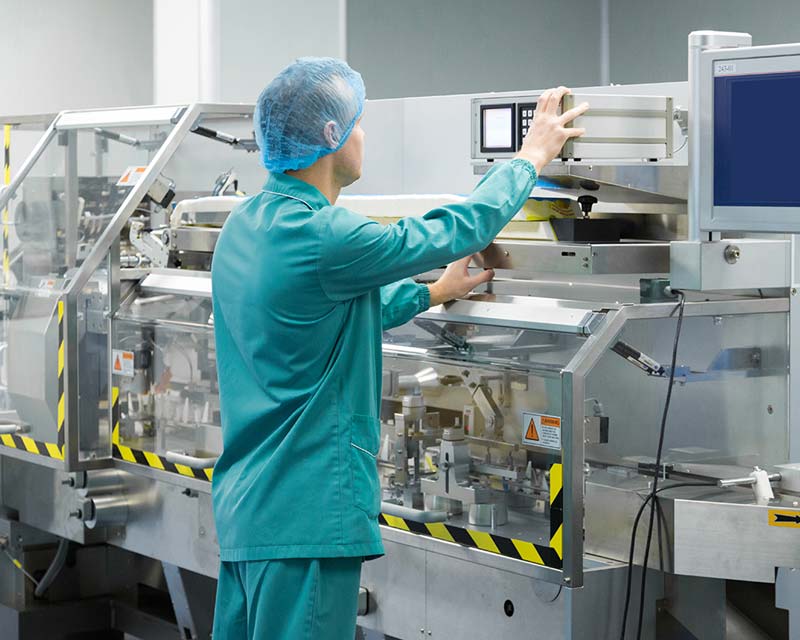
OEM (Original Equipment Manufacturer) refers to a production model in which a brand provides its own product design or formulation, and a manufacturer is responsible for producing it. The manufacturer does not own the design and cannot sell the product under its own name. Everything is produced exclusively for the brand.
ODM (Original Design Manufacturer), on the other hand, involves a manufacturer that already has existing product designs or formulations. Brands can select from these ready-made solutions and sell them under their own label, sometimes with minor modifications such as packaging or branding.
In simple terms, OEM is about custom production based on your design, while ODM is about adopting and branding an existing design.
Key Differences Between OEM and ODM
The difference between OEM and ODM goes beyond terminology. It mainly lies in product ownership, customization, and control.
- Product Ownership: In OEM, the brand owns the design and intellectual property. In ODM, the manufacturer usually retains ownership of the formula or design.
- Level of Customization: OEM offers full customization, while ODM typically allows only limited adjustments.
- Development Responsibility: OEM requires the brand to handle or initiate R&D, whereas ODM manufacturers provide ready-to-use solutions.
- Time to Market: ODM is generally faster since products are already developed, while OEM takes longer due to the development process.
Advantages of OEM Services
1. Lower Long-Term Costs and Risks
OEM eliminates the need to build factories or invest in equipment. Brands can focus on product development and marketing while outsourcing production.
2. Mature Production Systems
Experienced OEM manufacturers follow standardized processes for development, sampling, and mass production, ensuring consistent quality.
3. Greater Product Differentiation
OEM allows brands to create unique formulations and stand out in competitive markets. This is especially valuable for companies aiming to build strong brand identity.
4. Focus on Core Strengths
Brands can concentrate on sales, marketing, and customer service, while manufacturers handle production and technical processes.
5. Enhanced Market Competitiveness
OEM partners often have deep industry insights and can help refine product concepts based on market trends.
Disadvantages of OEM Services
- Quality Control Challenges: Inconsistent manufacturing standards may affect product quality if not properly managed.
- Risk of Information Leakage: Sharing proprietary formulas or designs may expose intellectual property.
- Supplier Dependency: Over-reliance on one manufacturer can create supply chain risks.
Advantages of ODM Services
1. Reduced R&D Investment
ODM manufacturers provide ready-made formulations, saving time and development costs—ideal for startups and small businesses.
2. Faster Time to Market
Since the product is already developed, brands can launch quickly without lengthy testing or approval processes.
3. Simplified Supply Chain
Manufacturers handle sourcing, production, and quality control, reducing operational complexity for the brand.
4. Lower Compliance Risk
Experienced ODM providers are familiar with regulatory requirements and certifications, helping ensure product compliance.
5. Flexibility in Product Selection
Brands can quickly adapt to market trends by choosing from existing product lines and formats.
Disadvantages of ODM Services
- Limited Differentiation: Similar products may be sold by multiple brands, increasing competition.
- Restricted Intellectual Property Control: Brands do not fully own the formulation or design.
- Limited Customization: Most changes are superficial, such as packaging or labeling.
- Lower Profit Margins: Manufacturers include R&D costs in pricing, reducing brand margins.
- Dependence on Manufacturer Quality: Product consistency relies heavily on the manufacturer’s standards.
- Long-Term Limitations: Over-reliance on ODM may hinder the development of in-house innovation capabilities.
OEM Services vs. ODM Services: Which Should You Choose?
There is no one-size-fits-all answer. The right choice depends on your business goals, resources, and long-term strategy.
- Choose OEM if you want full control over product design, formulation, and branding. This model is ideal for companies with strong R&D capabilities and a long-term vision.
- Choose ODM if you want to enter the market quickly with lower upfront investment. It is especially suitable for startups or brands testing new product categories.
For products that are central to your brand identity, OEM provides better control. For general or fast-moving products, ODM can be more efficient and cost-effective.
Why Choose Shandong Keju Pharmaceutical Co., Ltd. as Your Partner?
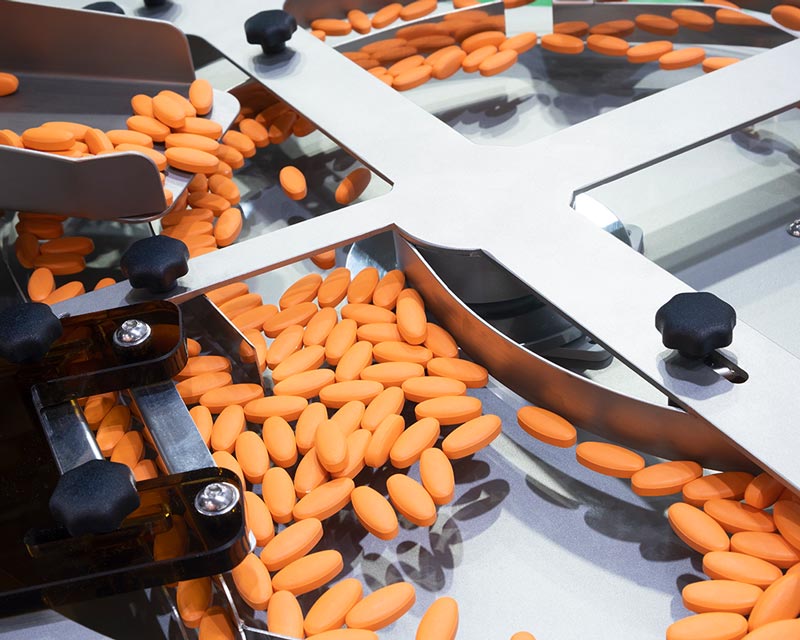
Selecting the right manufacturing partner is essential for building a successful and competitive brand. Shandong Keju Pharmaceutical Co., Ltd. stands out as a trusted partner in the nutritional supplement industry, offering comprehensive solutions tailored to your business needs.
Strong R&D Capabilities
The company is dedicated to marine biology and nutritional health products, supported by a professional R&D team of over 30 specialists and 5 external experts. This ensures continuous innovation, scientific formulation, and the ability to develop high-quality, market-driven products.
Wide Range of Dosage Forms
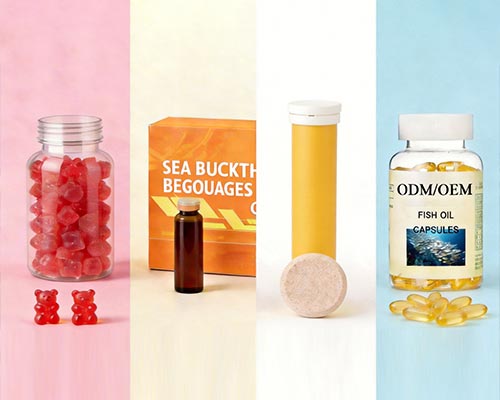
Shandong Keju Pharmaceutical Co., Ltd. offers diverse product formats to meet different market demands, including:
- Softgels
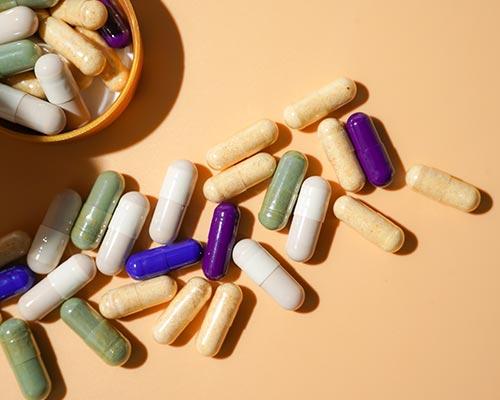
- Hard capsules
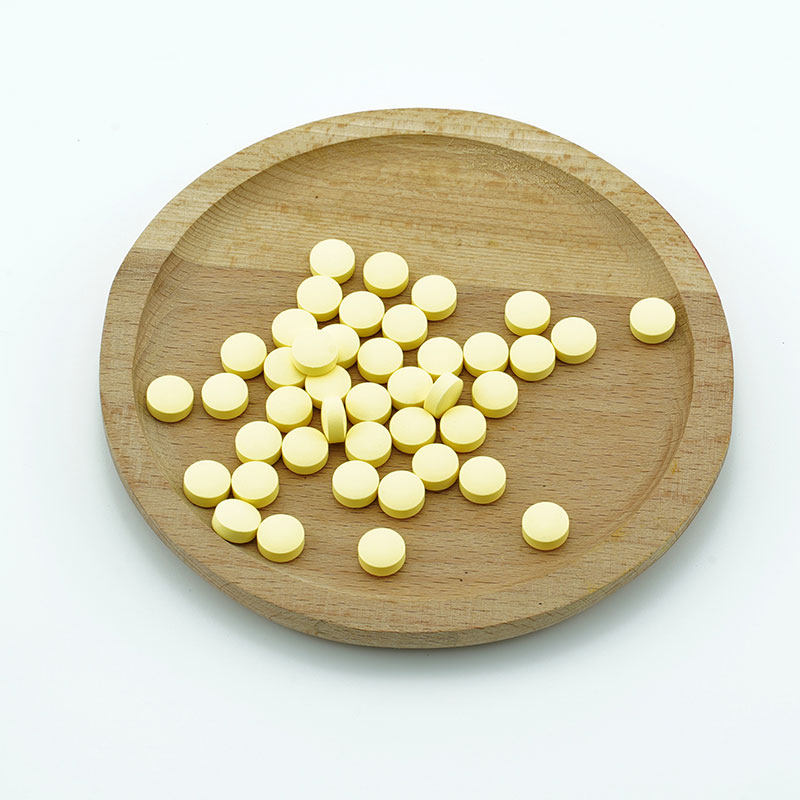
- Tablets
- Powders
- Granules
- Beverages
- Oral liquids
- Gummies
This flexibility allows brands to create customized products that align with consumer preferences.
Certified Quality and Innovation
The company operates under strict international standards, holding certifications such as HACCP, ISO22000, and BRC. In addition, it has applied for 31 national patents, demonstrating strong technical expertise and commitment to innovation.
Global Market Presence
Keju’s products are distributed across 27 provinces in China and exported to major international markets, including the United States, Europe, Japan, South Korea, and Australia. With experience serving over 10,000 clients, the company has built a solid reputation for reliability and quality.
One-Stop Manufacturing Solutions
From product development and raw material sourcing to production and delivery, Shandong Keju Pharmaceutical Co., Ltd. provides end-to-end services. This helps brands streamline operations, reduce costs, and accelerate time to market.
Conclusion
The core difference between OEM and ODM lies in control over product development and ownership of intellectual property. OEM offers customization and brand exclusivity, while ODM provides speed and cost efficiency.
Choosing between the two models requires a clear understanding of your business priorities. By aligning your strategy with the right manufacturing approach, you can build a stronger, more competitive brand in today’s dynamic market.
FAQ
What is the main difference between OEM and ODM services?
OEM involves producing products based on your own design, while ODM provides ready-made formulations that you can brand and sell.
Which is better for new brands, OEM or ODM?
ODM is usually better for new brands because it requires lower investment and allows faster market entry, while OEM offers more customization.
Can Shandong Keju Pharmaceutical Co., Ltd. support both OEM and ODM services?
Yes, Shandong Keju Pharmaceutical Co., Ltd. offers both OEM and ODM services, providing flexible solutions based on your brand’s needs.
What product types can Shandong Keju Pharmaceutical Co., Ltd. manufacture?
The company produces a wide range of products, including softgels, capsules, tablets, powders, granules, oral liquids, beverages, and gummies.
Why choose Shandong Keju Pharmaceutical Co., Ltd. as a manufacturing partner?
With strong R&D capabilities, international certifications, global market experience, and one-stop services, the company ensures high-quality and reliable production.