
Starting a supplement business has become more accessible than ever, but building a successful product line still requires strategy, precision, and the right manufacturing partner. Among all business models in the nutrition industry, private label supplements remain one of the most efficient ways to launch a brand with lower risk and faster time to market.
This guide walks you through the entire process of creating private label supplements, from concept development to product launch, with practical insights you can apply directly to your own business.
Table of Contents
What Are Private Label Supplements?
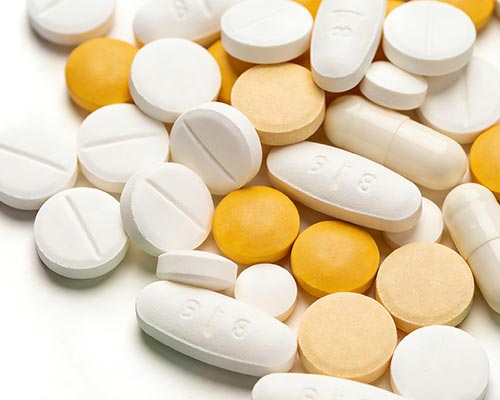
Private label supplements are ready-made or semi-custom formulations produced by a manufacturer and sold under your own brand name. Instead of developing everything from scratch, you select existing formulas, adjust certain elements such as packaging or dosage form, and market them as your own product line.
This model is widely used because it reduces development time and upfront investment while still allowing strong brand control.
Industry analysis from nutrition sector reports consistently shows that private label supplements are growing faster than traditional fully custom development models, mainly due to increasing demand for faster product launches and lower entry barriers.
Why Private Label Supplements Are Growing So Fast
The demand for private label supplements is not random. It reflects a shift in how modern supplement brands are built.
Three key drivers explain this growth:
- Faster market entry
- Lower development costs
- Reduced regulatory complexity
Instead of spending months or years developing a formula, brands can focus on marketing and customer acquisition.
Another important factor is consumer behavior. Today’s customers are less focused on who invented the formula and more focused on whether the product is effective, safe, and well-positioned for their needs.
Step 1: Define Your Product Positioning
Before choosing any formula, you need to define what your private label supplements will represent in the market.
Ask yourself:
- Are you targeting general wellness, beauty, sports performance, or aging support?
- What specific problem does your product solve?
- Why should customers choose your product over similar ones?
Clear positioning is critical because it influences every decision that follows, from formulation to packaging design.
For example, two brands may sell magnesium supplements, but one positions it as “stress and sleep support,” while another focuses on “muscle recovery and athletic performance.” The product may be similar, but the messaging and audience are completely different.
Step 2: Choose the Right Supplement Category
Private label supplements are available in multiple categories. Selecting the right one depends on market demand and your target audience.
Here is a simplified overview of common categories:
| Category | Key Function | Typical Ingredients | Market Demand Level |
|---|---|---|---|
| Multivitamins | Daily nutrition support | Vitamins, minerals | High |
| Immune support | Immune system health | Vitamin C, zinc, botanicals | High |
| Beauty supplements | Skin, hair, nails | Collagen, antioxidants | Very high |
| Sports nutrition | Performance & recovery | Amino acids, protein blends | High |
| Digestive health | Gut balance | Probiotics, enzymes | Growing |
| Sleep support | Relaxation & sleep quality | Magnesium, herbal extracts | Growing |
Market demand can vary depending on trends, but beauty and immune support products consistently rank among the most competitive segments in private label supplements.
Step 3: Select the Right Dosage Form
The delivery format of your product has a direct impact on customer experience, absorption, and brand perception.
Below is a practical comparison:
| Dosage Form | Advantages | Limitations | Best Use Case |
|---|---|---|---|
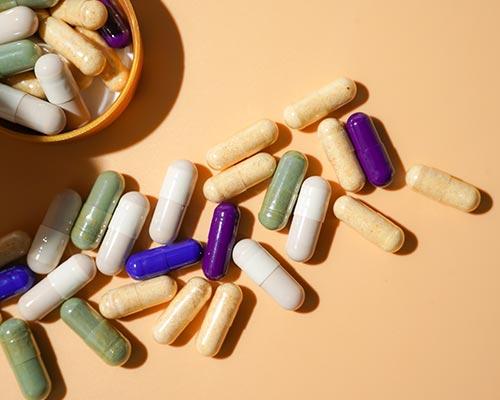
| Capsules | Easy to produce, stable, neutral taste | Moderate absorption speed | General wellness formulas |
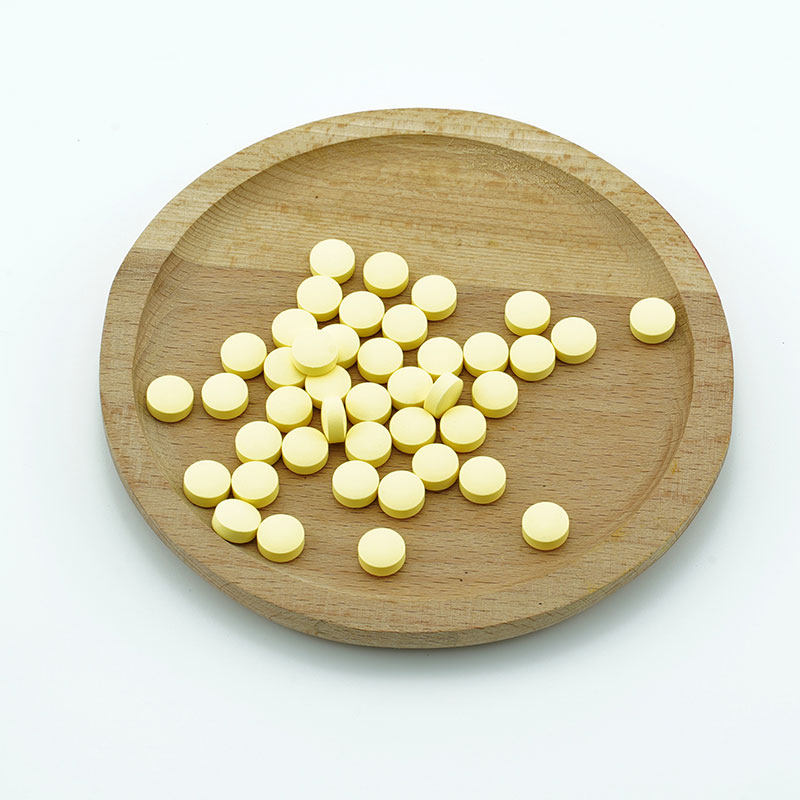
| Tablets | Cost-effective, precise dosing | Harder to swallow for some users | Budget-friendly products |
| Softgels | High bioavailability, ideal for oils | Higher production cost | Fat-soluble nutrients |
| Powders | Flexible dosing, customizable | Requires mixing | Sports nutrition |
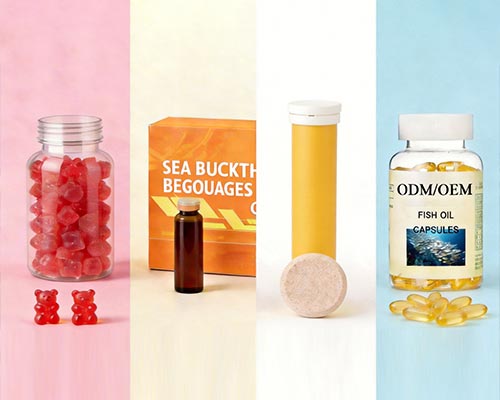
| Gummies | High consumer appeal | Limited dosage capacity | Lifestyle products |
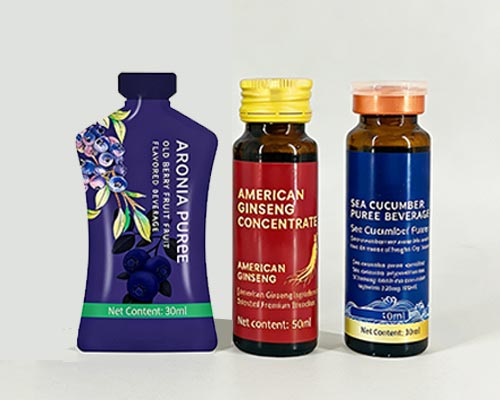
| Liquids | Fast absorption | Short shelf life | Premium fast-acting formulas |
Choosing the right format is not just a technical decision. It affects how customers perceive your private label supplements and whether they will repurchase.
Step 4: Work with a Qualified Manufacturer
The manufacturer you choose determines the quality, compliance, and scalability of your product line.
A reliable partner for private label supplements should provide:
- Stable and tested formulations
- Quality control systems across production stages
- Flexible minimum order quantities
- Compliance with international safety and quality standards
- Support for packaging and labeling
From an operational standpoint, working with an experienced manufacturer reduces risk and allows you to focus on branding and sales instead of technical production challenges.
Step 5: Understand Cost Structure Before Launch
One of the most overlooked aspects of launching private label supplements is cost planning.
Your total investment usually includes:
- Product formulation or selection
- Manufacturing and production costs
- Packaging and labeling design
- Testing and compliance documentation
- Marketing and distribution expenses
Based on industry observations from supplement market studies, many new brands underestimate marketing costs, even though customer acquisition often becomes the largest expense after product launch.
A balanced approach is recommended: start small, validate demand, and scale gradually instead of launching large inventory batches immediately.
Step 6: Build a Strong Brand Identity
In the private label supplements market, product similarity is high. This makes branding one of the most important differentiators.
Strong supplement brands focus on:
- Clear product promise
- Transparent ingredient communication
- Clean and professional packaging design
- Consistent messaging across channels
Trust plays a central role. Customers are more likely to buy from brands that educate rather than overpromise.
For example, explaining why certain ingredients are included and how they function in the body increases perceived credibility and improves conversion rates.
Step 7: Launch and Optimize Your Product
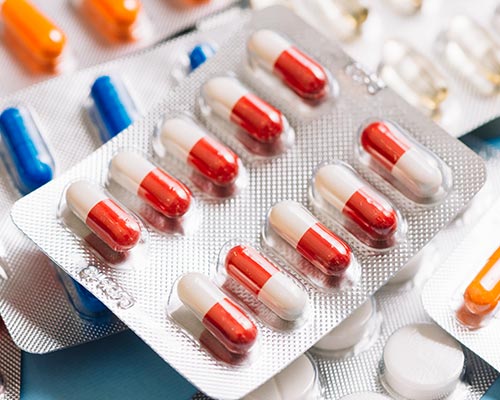
Launching your private label supplements is only the beginning. The real success comes from optimization.
After launch, you should:
- Collect customer feedback
- Track repeat purchase behavior
- Analyze which products perform best
- Adjust formulations or packaging if needed
Many successful supplement brands did not achieve success on their first product version. They improved over time based on real market feedback.
Common Mistakes to Avoid
Even experienced entrepreneurs make mistakes when launching private label supplements:
- Choosing products based only on trends
- Ignoring target audience definition
- Overcomplicating formulations
- Underestimating branding importance
- Failing to test before scaling
Avoiding these mistakes significantly improves your chances of long-term success.
Future Trends in Private Label Supplements
The private label supplements market continues to evolve. Several trends are shaping the future:
- Increased demand for clean-label products
- Personalized nutrition solutions
- Growth in functional blends targeting specific health goals
- Higher consumer expectations for transparency and testing
- Rising interest in innovative delivery formats
Brands that align with these trends early are more likely to gain a competitive advantage.
Conclusion
Private label supplements offer a practical and scalable way to enter the health and wellness industry. However, success depends on more than simply selecting a product. It requires clear positioning, smart formulation choices, strong manufacturing partnerships, and consistent brand building.
If you approach the process step by step, validate your decisions, and focus on long-term value rather than short-term trends, you can build a supplement brand that stands out in a competitive market.
FAQ
What are private label supplements?
Private label supplements are pre-formulated products manufactured by a third party and sold under your own brand name.
Are private label supplements profitable?
Yes, they can be profitable when combined with strong branding, proper positioning, and effective marketing strategies.
How long does it take to launch private label supplements?
Depending on formulation and packaging requirements, it can take from a few weeks to several months.
Do I need a manufacturer for private label supplements?
Yes, most brands rely on manufacturers to handle production, quality control, and compliance.
What is the best product category for beginners?
Multivitamins, beauty supplements, and immune support products are commonly chosen due to consistent demand.
Need Help Launching Your Private Label Supplements?
If you’re unsure how to develop, formulate, or bring your private label supplements to market, our experts at Shandong Keju Pharmaceutical Co., Ltd. are here to help. Contact us today for a personalized consultation and discover the most efficient way to build a high-quality supplement brand. Don’t wait to start your journey—get in touch now and turn your product ideas into reality!