


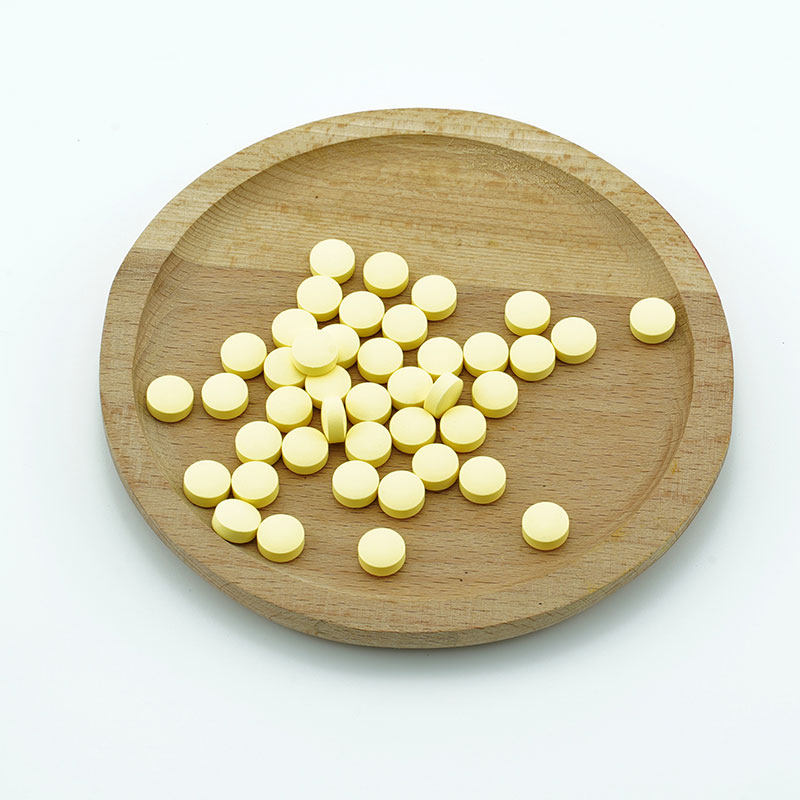

Lors du développement d'un produit de supplément, l'une des décisions de formulation les plus courantes auxquelles vous devrez faire face est de choisir entre les gélules et les comprimés. La discussion sur Capsule vs Tablet n'est pas seulement une préférence technique, elle affecte directement les performances du produit, l'expérience des consommateurs, le coût de fabrication et même le positionnement de la marque.
Si vous créez une marque de supplément ou planifiez votre prochaine gamme de produits, la compréhension des différences entre ces deux formes de dosage vous aidera à prendre une décision plus éclairée et stratégique.
Table des matières
compréhens capsules et comprimés

Avant de les comparer, il est important de bien comprendre ce qu'est réellement chaque formulaire.
Les capsules sont des formes posologiques à base de coquille qui contiennent des ingrédients en poudre, granulés ou liquides enfermés dans une coque externe soluble, généralement à base de gélatine ou de matériaux à base de plantes.
Les comprimés sont des formes compressées solides créées en appuyant sur les ingrédients actifs et les excipients dans une forme fixe en utilisant une pression élevée.
Les deux sont largement utilisés dans l'industrie des suppléments, mais ils se comportent très différemment en termes de production, d'absorption et d'expérience utilisateur.
Capsule vs comprimé : les principales différences expliquées
Pour vous aider à évaluer plus clairement la capsule par rapport au comprimé, voici une comparaison structurée basée sur les données de fabrication, le comportement de formulation et les tendances de l'expérience des consommateurs couramment observées dans l'industrie des suppléments.
| figure | capsules | comprimés |
|---|---|---|
| processus de production | Encapsulation de poudre ou de liquide | Compression sous haute pression |
| Vitesse d'absorption | Généralement plus rapide | Plus lent en raison du temps de désintégration |
| Flexibilité des ingrédients | Élevé (poudres, huiles, mélanges) | Ingrédients modérés (secs et stables) |
| Masquage du goût | excellent | modérer |
| Coût de fabrication | généralement plus élevé | généralement plus bas |
| Stabilité de l'étagère | Bien mais dépend du type de coque | très stable |
| Facilité à avaler | Plus facile pour la plupart des utilisateurs | Certains utilisateurs trouvent difficile |
| Flexibilité de la taille de la | Taille limitée par capsule | Élevé (peut compresser des doses plus importantes) |
Cette comparaison montre que la capsule vs comprimé n'est pas une question de meilleur universellement, mais celle qui est préférable pour un objectif de produit spécifique.
Différences d'absorption et de biodisponibilité
L'un des facteurs les plus importants de la comparaison des capsules et des comprimés est la façon dont le corps absorbe les ingrédients.
Les capsules se dissolvent généralement plus rapidement dans le système digestif, car la coque externe se décompose rapidement, permettant aux ingrédients actifs d'être libérés avec un délai minimal. Ceci est particulièrement bénéfique pour les composés liposolubles ou sensibles qui nécessitent une absorption rapide.
Les comprimés, quant à eux, doivent d'abord se briser par la désintégration, puis se dissoudre. Ce processus peut prendre plus de temps en fonction de la densité de formulation et de la technologie de revêtement.
Les résumés de recherche de la formulation pharmaceutique Les études indiquent que le temps de désintégration est une variable clé influençant la vitesse d'absorption, c'est pourquoi les capsules sont souvent préférées pour les suppléments à action rapide.
Cependant, une libération plus lente des comprimés peut parfois être un avantage pour une livraison durable des nutriments.
Perspective de fabrication : capsule vs comprimé
Du point de vue de la fabrication, les décisions de capsule ou de tablette affectent de manière significative la conception de la production et la structure des coûts.
La production de capsules nécessite des machines de remplissage qui dosent avec précision des poudres ou des liquides dans les coques. Cela permet une flexibilité dans la formulation mais peut limiter la capacité de remplissage maximale.
La production de comprimés utilise des machines de compression, qui peuvent gérer des charges d'ingrédients plus élevées par unité et qui sont souvent plus efficaces à l'échelle.
Les capsules nécessitent généralement plus de composants matériels (coquilles, scellement parfois spécialisés), tandis que les comprimés reposent davantage sur l'efficacité de la compression et les liants.
Dans les scénarios de fabrication pratiques, les comprimés sont souvent choisis pour les produits à haut volume et sensibles aux coûts, tandis que les capsules sont préférées pour les formulations de qualité supérieure ou les ingrédients sensibles.
Expérience des consommateurs et préférences sur le marché
Du point de vue du comportement des consommateurs, les préférences de capsule et de comprimé sont façonnées par la facilité d'utilisation et la perception.
Les capsules sont souvent perçues comme plus faciles à avaler et plus “ prime ”, surtout lorsqu'elles sont lisses et neutres. Cela les rend populaires dans les suppléments de bien-être et de beauté.
Les comprimés sont largement acceptés dans les produits de nutrition de tous les jours car ils sont compacts, stables et faciles à emballer en grandes quantités.
Les observations des tendances du marché des rapports de l'industrie des suppléments indiquent que les consommateurs préfèrent de plus en plus les formats qui réduisent le goût désagréable et améliorent la commodité, ce qui donne aux capsules un léger avantage dans les catégories axées sur le mode de vie.
Cependant, les comprimés restent dominants dans les segments multivitamines et minéraux en raison de la rentabilité et de la stabilité de la formulation.
Compatibilité des ingrédients : qu'est-ce qui fonctionne le mieux ?
Tous les ingrédients ne se comportent pas de la même manière dans les formats de capsule vs comprimés.
Les capsules sont mieux adaptées pour :
- Huiles et nutriments liposolubles
- Extraits de plantes avec un goût ou une odeur intense
- Composés probiotiques ou sensibles
- Mélanges combinés nécessitant une séparation des ingrédients
Les tablettes sont mieux adaptées pour :
- Vitamines et minéraux stables
- Formulations à haute dose
- Ingrédients qui se compriment bien
- Produits nécessitant une longue durée de vie
Le choix du mauvais format peut réduire la stabilité ou l'efficacité du produit, c'est pourquoi la compatibilité des formulations est essentielle au développement de produits.
Aperçu du développement de produits réels

Dans la pratique de fabrication des suppléments, un scénario courant illustre clairement la décision Capsule vs Tablet.
Une marque a développé un supplément à double usage ciblant l'énergie et la nutrition quotidienne. Le concept initial utilisait des tablettes en raison de la rentabilité. Cependant, lors des tests de stabilité, certains extraits botaniques ont montré des problèmes de goût et d'absorption.
La formulation a ensuite été divisée :
- Capsules pour les ingrédients botaniques et sensibles
- Comprimés pour les vitamines et minéraux stables
Cette approche hybride a amélioré à la fois l'expérience des consommateurs et les performances des produits.
Cet exemple met en évidence un aperçu important : la meilleure solution n'est pas toujours la capsule ou le comprimé seul, mais parfois une combinaison des deux.
Considérations relatives au coût et à l'évolutivité
Du point de vue de la mise à l'échelle de la production, les comprimés offrent généralement une efficacité plus élevée dans la production de masse en raison de cycles de compression plus rapides et d'une complexité matérielle plus faible.
Les capsules peuvent entraîner une complexité de production légèrement plus élevée en raison de la précision du remplissage et de la manipulation de la coque.
Cependant, le coût ne devrait pas être le seul facteur décisif dans la sélection de la capsule et du comprimé. Le positionnement des produits et la valeur à long terme de la marque comptent souvent plus que les économies de fabrication à court terme.
Comment choisir entre capsule vs comprimé
Si vous ne savez pas quel format choisir, tenez compte de ces questions pratiques :
- Votre ingrédient nécessite-t-il un masquage ou une protection du goût ?
- Une absorption rapide est-elle importante pour le positionnement de votre produit ?
- Vous ciblez des consommateurs premium ou grand public ?
- Quelle est la taille de votre dosage attendue par portion ?
- Quelle est l'importance de l'efficacité des coûts de production ?
Répondre à ces questions rendra généralement la décision plus claire que de se concentrer uniquement sur le formulaire.
Tendances futures des formes posologiques des suppléments
Alors que Capsule vs Tablet reste une discussion de base, l'industrie des suppléments évolue vers des systèmes de livraison plus hybrides et fonctionnels.
Les principales tendances comprennent :
- Formats de dosage combinés
- Coquilles de capsules à base de plantes
- Technologies de revêtement améliorées pour tablettes
- Ingénierie de biodisponibilité améliorée
Ces innovations réduisent l'écart entre les performances de la capsule et des tablettes, ce qui donne aux marques plus de flexibilité que jamais.
conclusion
La décision Capsule vs Tablet ne concerne pas celle qui est la meilleure dans son ensemble, mais celle qui convient le mieux à votre stratégie de produit spécifique.
Les capsules offrent une flexibilité, une absorption plus rapide et une sensation de qualité supérieure, tandis que les comprimés offrent une rentabilité, une stabilité et une évolutivité. Le bon choix dépend de vos ingrédients, de votre public cible et du positionnement de la marque.
En comprenant les deux formats à un niveau plus profond, vous pouvez concevoir des produits de suppléments qui sont non seulement efficaces mais aussi alignés sur les attentes du marché et les réalités de fabrication.
FAQ
Quelle est la principale différence entre Capsule vs comprimé?
Les capsules contiennent des ingrédients à l'intérieur d'une coque, tandis que les comprimés sont comprimés sous forme de solides fabriqués sous haute pression.
Les capsules sont-elles mieux absorbées que les comprimés ?
Dans la plupart des cas, les capsules se dissolvent plus rapidement, ce qui peut entraîner une absorption plus rapide que les comprimés.
Pourquoi les comprimés sont-ils encore largement utilisés dans les suppléments ?
Les comprimés sont rentables, stables et adaptés à la production à haut volume et aux produits à longue durée de conservation.
Les capsules et comprimés peuvent-ils être combinés en un seul produit ?
Oui, de nombreuses formulations utilisent à la fois pour optimiser la stabilité et les performances des ingrédients.
Quel est le meilleur pour les ingrédients sensibles, capsule vs comprimé ?
Les capsules sont généralement meilleures pour les ingrédients sensibles ou actifs en raison d'une meilleure protection et d'un masque.
Besoin d'aide pour choisir entre les capsules et les comprimés pour vos produits de supplément ?
Si vous ne savez pas si les gélules ou les comprimés sont le bon choix pour votre formulation de supplément, nos experts de Shandong Keju Pharmaceutical Co., Ltd sont là pour vous aider. Contactez-nous aujourd'hui Pour une consultation personnalisée et obtenir des conseils professionnels sur le développement de produits, la fabrication et la sélection des formulaires. N'attendez pas pour optimiser votre stratégie produit, contactez-nous dès maintenant et créez une ligne de suppléments qui fonctionne et se vend !