

Table of Contents
Introduction
Softgel fish oil remains one of the most familiar omega-3 supplement formats, but products that appear similar on the outside can differ considerably in concentration, freshness, shell performance, testing standards, and actual EPA and DHA content.
A large fish oil number on the front label does not necessarily mean a high amount of active omega-3 fatty acids. One softgel may contain a large quantity of total oil but only a modest amount of EPA and DHA. Another may deliver a more concentrated omega-3 profile in a smaller serving.
The quality of softgel fish oil also depends on factors that are less visible. Raw material handling, oxygen exposure, moisture control, antioxidant protection, encapsulation conditions, packaging, and storage all influence how well the oil maintains its intended quality.
A dependable evaluation should therefore consider the complete product rather than one headline figure. This guide explains how to compare fish oil concentration, fatty acid composition, oil form, oxidation control, softgel shell quality, manufacturing consistency, label clarity, and practical use.
What Is Softgel Fish Oil?
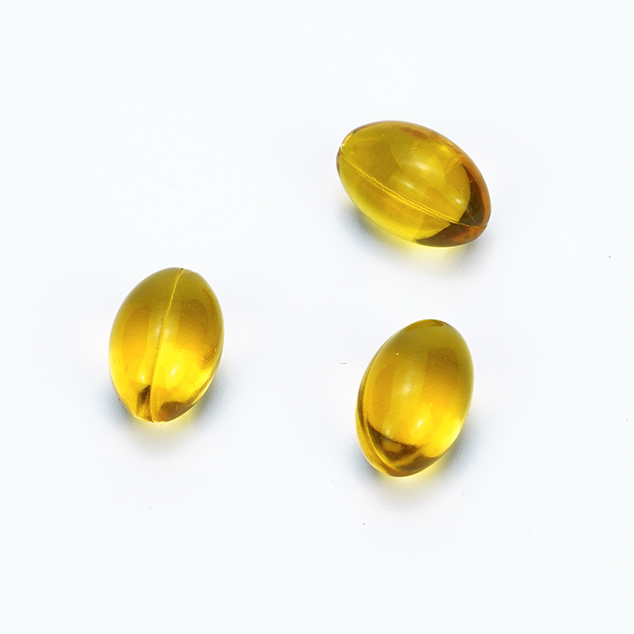
Softgel fish oil is a dietary supplement that places liquid fish oil inside a sealed, flexible capsule shell. Fish oil naturally contains omega-3 fatty acids, particularly eicosapentaenoic acid and docosahexaenoic acid, commonly known as EPA and DHA.
The softgel format is widely used because it can contain oil without requiring the user to taste or measure a liquid serving. A sealed capsule can also help protect the oil from direct contact with air, although its performance still depends on shell integrity, packaging, and storage conditions.
The term fish oil describes oil obtained from fish tissues and used as a source of marine omega-3 fatty acids. It should not be confused with fish liver oil, which may have a different nutrient profile because it can naturally contain additional fat-soluble vitamins.
A softgel fish oil formula may include concentrated fish oil, natural or added antioxidants, capsule shell materials, humectants, purified water, and other ingredients needed for processing and stability.
Understanding EPA, DHA, and Total Fish Oil
The first important distinction is the difference between total fish oil and total EPA plus DHA.
A label may state that each serving contains 1,000 milligrams of fish oil. That figure describes the total amount of oil, not necessarily the amount of EPA and DHA. The active omega-3 content must be found elsewhere on the label.
For example, two products can contain the same total quantity of fish oil while delivering different EPA and DHA levels. This difference comes from the concentration and fatty acid profile of the oil used.
EPA and DHA should be listed separately whenever possible. This provides a clearer understanding of what the serving actually delivers. A combined omega-3 number can be useful, but it should not replace transparent EPA and DHA information.
When comparing formulations, use the same measurement basis. A value per softgel cannot be directly compared with a value per two-softgel serving unless the serving sizes are adjusted.
The following relationship is useful:
Total EPA and DHA per serving equals EPA per serving plus DHA per serving.
Other omega-3 fatty acids may also be present, so total omega-3 content can be slightly higher than the combined EPA and DHA amount.
Why Omega-3 Concentration Matters
Omega-3 concentration describes how much of the total oil consists of omega-3 fatty acids. A more concentrated oil can deliver a selected EPA and DHA amount with less total oil.
This may allow a smaller softgel, fewer softgels per serving, or a more focused nutrient profile. However, concentration alone does not determine overall quality.
A highly concentrated oil still requires effective purification, oxidation management, appropriate packaging, and accurate testing. A lower-concentration formula may also be suitable when it offers an appropriate serving size and clear nutrient information.
The practical value of concentration depends on several connected factors:
| Evaluation factor | What it indicates | Why it matters |
|---|---|---|
| Total fish oil | Complete oil quantity per serving | Does not show active omega-3 content by itself |
| EPA content | Amount of eicosapentaenoic acid | Helps define the formula’s fatty acid profile |
| DHA content | Amount of docosahexaenoic acid | Helps distinguish formulas with different nutritional positioning |
| Total omega-3 | EPA, DHA, and other omega-3 fatty acids | Provides a broader view of omega-3 concentration |
| Serving size | Number of softgels needed daily | Influences convenience and capsule size |
| Oil source | Marine material used to produce the oil | May affect composition, supply consistency, and traceability |
| Antioxidant system | Ingredients used to support oil stability | Helps reduce oxidation during shelf life |
| Packaging | Bottle, blister, or other protective format | Affects exposure to oxygen, light, heat, and moisture |
A strong formulation balances concentration with stability and user experience rather than maximizing one number without considering the rest of the product.
Fish Oil Forms and Their Formulation Differences
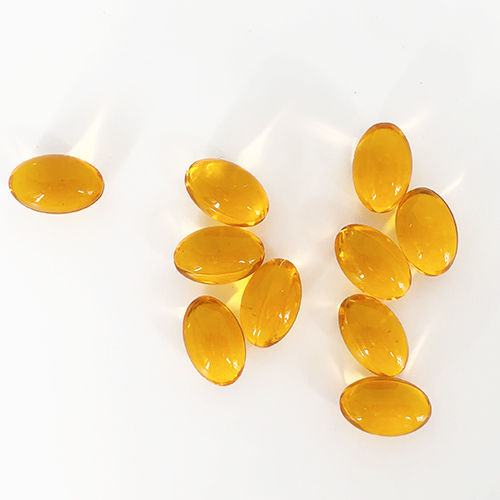
Fish oil can be processed into different chemical forms. Common forms include triglycerides, re-esterified triglycerides, and ethyl esters.
These terms describe how the fatty acids are structured within the oil. They may affect concentration possibilities, processing requirements, oxidative stability, and formulation decisions.
The form should not be evaluated in isolation. Finished-product performance also depends on the actual EPA and DHA amount, oil freshness, antioxidant strategy, softgel quality, serving instructions, and consistency of use.
Some product descriptions focus strongly on one oil form while giving limited information about the final EPA and DHA content. A more useful label presents both the oil form and the nutritional contribution of each serving.
Product developers should also consider how the chosen oil behaves during pumping, filling, sealing, drying, packaging, and storage. Raw material specifications must match the intended softgel size and production process.
Oxidation Is a Central Quality Issue
Fish oil contains polyunsaturated fatty acids that can be affected by oxygen, heat, light, moisture, and prolonged storage. When oxidation advances, the oil may develop undesirable odor, taste, or chemical changes.
A fishy aftertaste does not always prove that a product is oxidized. It may also result from capsule breakdown, reflux, flavor sensitivity, or the natural characteristics of the oil. However, unusual odor or damaged capsules should not be ignored.
Oxidation control begins before encapsulation. It includes supplier qualification, raw material transportation, controlled storage, limited exposure to air, suitable production temperatures, antioxidant protection, and packaging selection.
Manufacturers may evaluate oxidation using indicators such as peroxide value, anisidine value, and total oxidation value. These tests examine different stages of oil oxidation and are more meaningful when interpreted together rather than as isolated numbers.
A reliable stability program should examine the finished product, not only the incoming oil. The oil may meet specifications before production but still encounter oxygen, heat, or moisture during later processing.
Softgel Shell Design Affects Product Performance
The shell is not simply a container. It influences sealing, appearance, swallowing experience, moisture exchange, and protection of the liquid fill.
Traditional softgels commonly use gelatin with a plasticizing ingredient and purified water. Alternative shell systems may use other materials, but they require different processing conditions and stability considerations.
The shell and fill must remain compatible throughout the intended shelf life. A mismatch can contribute to leakage, brittleness, sticking, deformation, delayed rupture, discoloration, or changes in capsule texture.
Shell thickness is also important. A shell that is too thin may be difficult to seal reliably, while an unnecessarily thick shell may affect swallowing and disintegration.
Capsule size should be selected according to fill weight, oil density, desired serving, target shape, and user experience. A concentrated oil may help reduce capsule size, but the final dimensions still depend on the complete formulation.
Professional softgel manufacturing requires coordinated control of fill preparation, gelatin mass, encapsulation temperature, seam formation, drying, inspection, and packaging.
Raw Material Purity and Traceability
Fish oil quality begins with the raw material. A complete specification should identify the oil source, fatty acid composition, production method, purification requirements, contaminant limits, oxidation limits, storage conditions, and expected shelf life.
Traceability makes it possible to connect the finished product with its oil batch, supporting ingredients, shell materials, production records, test results, and packaging materials.
Purification may be used to reduce unwanted substances and help the oil meet defined specifications. The level of processing should be appropriate for the source material and intended product.
Testing plans may include fatty acid composition, oxidation indicators, heavy metals, microbiological quality, identity, appearance, odor, and other relevant parameters. The exact test program should reflect the product format and risk assessment.
Transparency does not require publishing every manufacturing record on the label. It does require accurate specifications, documented controls, and claims that can be supported by finished-product evidence.
Antioxidants and Supporting Ingredients
Antioxidants are often included to help protect fish oil from oxidation. Tocopherols are commonly used because they are compatible with oil-based formulations.
The amount and type of antioxidant should be selected through formulation work rather than added as a decorative label feature. Too little may provide insufficient protection, while the overall system must remain suitable for the oil source, concentration, packaging, and shelf-life target.
Some formulas include flavoring ingredients to improve the experience if the capsule releases oil in the digestive tract. Flavoring can influence user acceptance, but it does not correct poor-quality or heavily oxidized oil.
The ingredient list may also include components used in the softgel shell. These should be clearly distinguished from ingredients in the oil fill.
A simpler ingredient list is not automatically better, just as a longer ingredient list is not automatically more advanced. Every component should have a defined function in nutrition, processing, stability, appearance, or user experience.
Manufacturing Controls for Consistent Softgels
Softgel fish oil production requires more than filling oil into a capsule. The process must deliver consistent fill weight, reliable seams, controlled moisture, acceptable appearance, and stable nutrient content.
Fill material should be blended under conditions that reduce unnecessary air exposure. The oil must remain uniform so that each capsule delivers the intended composition.
During encapsulation, the shell ribbons and liquid fill come together at the rotary die. Temperature, pressure, fill timing, ribbon thickness, and die alignment all influence seam quality.
Freshly formed softgels contain more moisture than finished capsules. Controlled drying allows the shell to reach an appropriate final condition without becoming brittle, sticky, distorted, or uneven.
Finished inspection may evaluate capsule weight, appearance, dimensions, leakage, seam strength, disintegration, and nutrient composition. Packaging should begin only after the capsules have reached suitable physical conditions.
These controls are particularly important for concentrated fish oil because the finished product must protect a sensitive oil while maintaining a consistent appearance and swallowing experience.
Packaging and Shelf-Life Stability
The best packaging depends on the formulation, capsule shell, distribution conditions, and expected use after opening.
Opaque or light-resistant containers can help limit light exposure. Proper closures reduce contact with air and moisture. Desiccants may be used when appropriate for the shell and packaging system, but their suitability should be confirmed rather than assumed.
Bottle headspace is another consideration because oxygen remains in the empty space above the capsules. Production and packaging strategies can be developed to reduce unnecessary exposure.
Blister packaging separates individual softgels and may provide additional protection after the package is opened. Bottles may offer efficient packaging and convenient access but are opened repeatedly throughout use.
Shelf-life testing should examine both chemical and physical quality. EPA and DHA content, oxidation indicators, capsule appearance, shell texture, leakage, odor, and disintegration can all change over time.
An expiry date should be supported by a stability program that reflects the actual formula and packaging. It should not be copied from a different product simply because the products use a similar oil.
How to Read a Softgel Fish Oil Label
Begin with the serving size. Determine whether the listed values apply to one capsule or several capsules.
Next, find the total fish oil amount and compare it with the EPA and DHA values. Do not assume that every milligram of fish oil is EPA or DHA.
Review the ingredient list to identify antioxidants, flavoring ingredients, shell materials, and potential allergens. Check whether the source and oil form are disclosed.
Storage instructions deserve equal attention. A formula may be designed for normal room-temperature storage, but excessive heat, direct light, and moisture can still affect quality.
The label should also communicate the intended use without making exaggerated promises. Softgel fish oil can provide EPA and DHA, but its role should be described with responsible nutritional language rather than guaranteed outcomes.
A clear label helps users understand what the product contains, how much to take, how to store it, and what each serving actually provides.
Common Softgel Fish Oil Evaluation Mistakes
One common mistake is comparing products only by total fish oil content. This can hide major differences in EPA and DHA concentration.
Another mistake is assuming that a larger softgel contains a stronger formula. Capsule size reflects total fill volume, not necessarily the active omega-3 amount.
Other avoidable errors include overlooking the serving size, ignoring storage instructions, treating all fish oils as identical, confusing fish oil with fish liver oil, and focusing on flavor before reviewing oxidation controls.
It is also unhelpful to judge quality by one laboratory number without considering sampling, test method, production date, packaging, and shelf-life stage.
A complete evaluation connects the label with raw material quality, manufacturing controls, finished-product testing, packaging, and realistic use conditions.
Developing a Balanced Softgel Fish Oil Formula

A well-designed formula begins with a defined EPA and DHA target. The oil source and concentration are then selected to achieve that target within a practical capsule size and serving.
The formulation team must consider oil form, antioxidant protection, fill weight, capsule dimensions, shell material, packaging, storage, and expected shelf life at the same time.
Packaging decisions should be made early because the container influences stability testing and product presentation. Changing the bottle, closure, or blister material after stability work has started may require additional evaluation.
Label development should also begin before production. Serving size, EPA and DHA values, ingredient declarations, storage instructions, and intended positioning must match the final tested formula.
A structured supplement project consultation can bring formulation, softgel sizing, testing, packaging, and scale-up requirements into one coordinated development process.
Conclusion
Softgel fish oil quality cannot be determined by total oil quantity alone. EPA and DHA concentration, oil form, oxidation control, raw material traceability, shell performance, manufacturing accuracy, packaging, and shelf-life evidence all contribute to the finished product.
A useful comparison starts with the serving size and actual EPA and DHA content. It then examines how the oil is protected during processing, encapsulation, storage, and daily use.
The most effective formula is not simply the one with the largest number on the label. It is the formula that delivers a clearly defined omega-3 profile, maintains acceptable quality throughout its shelf life, and provides a practical softgel size and serving experience.
FAQ
What is softgel fish oil?
Softgel fish oil is liquid fish oil enclosed in a sealed, flexible capsule. It commonly supplies the marine omega-3 fatty acids EPA and DHA. The softgel format helps contain the oil, simplify serving, reduce direct taste, and protect the fill when properly manufactured and stored.
Is total fish oil the same as EPA and DHA?
No. Total fish oil includes EPA, DHA, other fatty acids, and additional oil components. A label showing 1,000 milligrams of fish oil does not mean the serving contains 1,000 milligrams of EPA and DHA. These values should be reviewed separately.
Why does softgel fish oil sometimes have a fishy aftertaste?
A fishy aftertaste may relate to oil characteristics, capsule release, serving conditions, digestive response, or oxidation. Proper raw material handling, antioxidant protection, reliable sealing, suitable packaging, and correct storage can help maintain a better product experience.
How should softgel fish oil be stored?
Follow the instructions on the finished-product label. Softgels should generally be protected from excessive heat, moisture, direct light, and unnecessary air exposure. The container should remain securely closed, and capsules showing leakage or unusual changes should not be used.
What should be checked when comparing softgel fish oil?
Compare EPA and DHA per serving, total fish oil, serving size, oil source, oil form, antioxidants, shell ingredients, storage directions, testing information, and potency through shelf life. Review all values on the same serving basis to avoid misleading comparisons.